






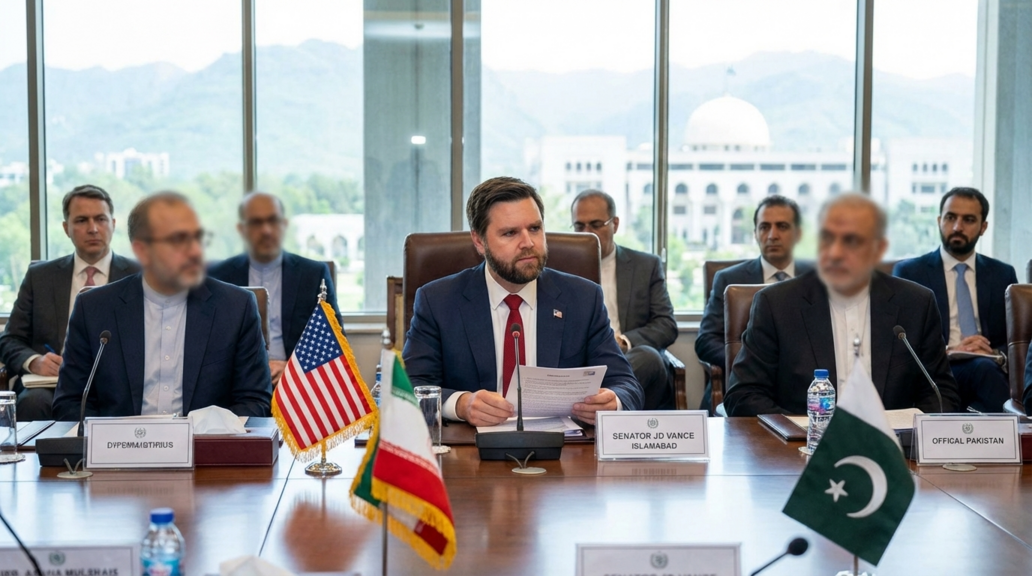
As the world grapples with the complex dynamics of international relations, the recent proposal by Pakistan to host peace talks between the United States and Iran brings to the forefront the importance of diplomacy in resolving conflicts. While military interventions often come with significant costs in both human lives and economic resources, diplomatic negotiations offer a path towards sustainable peace and stability. This potential dialogue in Islamabad underscores the value of seeking peaceful solutions through dialogue and mutual understanding rather than resorting to military force.
In considering the appointment of JD Vance as the chief negotiator for these crucial talks, the United States recognizes the significance of individual leadership in shaping global outcomes. Vance’s background as a successful entrepreneur and advocate for free-market principles brings a unique perspective to the table. His emphasis on private enterprise and economic self-determination aligns with the conservative values of promoting entrepreneurship and innovation as drivers of prosperity. By tapping into Vance’s expertise, the US aims to leverage the power of individual initiative in fostering diplomatic solutions.
The prospect of Vance leading the US delegation in potential peace negotiations with Iran highlights the role of personal accountability and self-reliance in international affairs. Conservative principles emphasize the importance of individual responsibility and leadership in navigating complex geopolitical challenges. Vance’s skeptical approach towards interventionist policies and his focus on sovereignty align with the conservative belief in national self-determination and limited government interference. By entrusting Vance with this pivotal role, the US signals its commitment to upholding traditional values of independence and self-governance.
Amidst the Middle East crisis, the refusal of Iran to engage in peace talks with certain US negotiators underscores the challenges of diplomatic negotiations. Iran’s decision to reject talks with specific envoys reflects the complexities of international relations and the importance of finding mutually acceptable solutions. While diplomatic efforts may face obstacles and setbacks, the conservative approach values perseverance and strategic engagement in pursuit of peaceful resolutions. By exploring alternative avenues for dialogue, such as the proposed talks in Islamabad, the US demonstrates its commitment to seeking diplomatic solutions to regional conflicts.
The potential role of JD Vance as the chief negotiator in US-Iran peace talks serves as a testament to the power of individual leadership in shaping global outcomes. Vance’s commitment to free-market principles, entrepreneurship, and self-reliance resonates with conservative values of economic freedom and personal accountability. As the US considers diplomatic avenues to address the Middle East crisis, the appointment of Vance underscores the importance of promoting individual initiative and leadership in international affairs. By embracing a conservative approach that values sovereignty, entrepreneurship, and diplomacy, the US seeks to navigate complex geopolitical challenges with a focus on peaceful resolutions.
In conclusion, the proposal for peace talks in Islamabad and the potential appointment of JD Vance as the chief negotiator offer a glimpse into the conservative perspective on international relations. By emphasizing the value of diplomacy, individual leadership, and traditional values, the US aims to navigate the complexities of global politics with a focus on peaceful solutions. As the world watches the unfolding dynamics of potential US-Iran negotiations, the conservative principles of self-reliance, entrepreneurship, and sovereignty guide the approach towards resolving conflicts through diplomatic means.