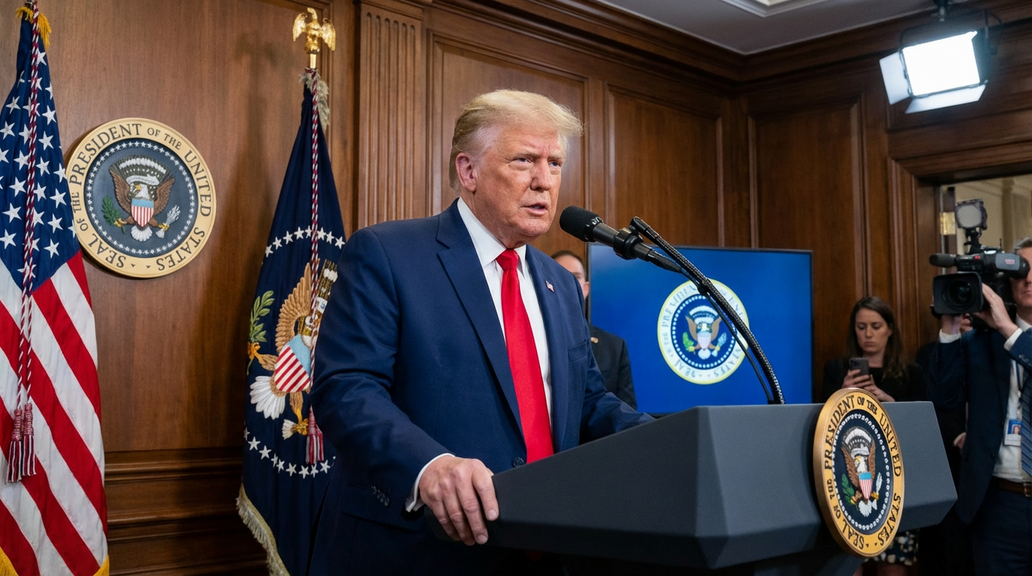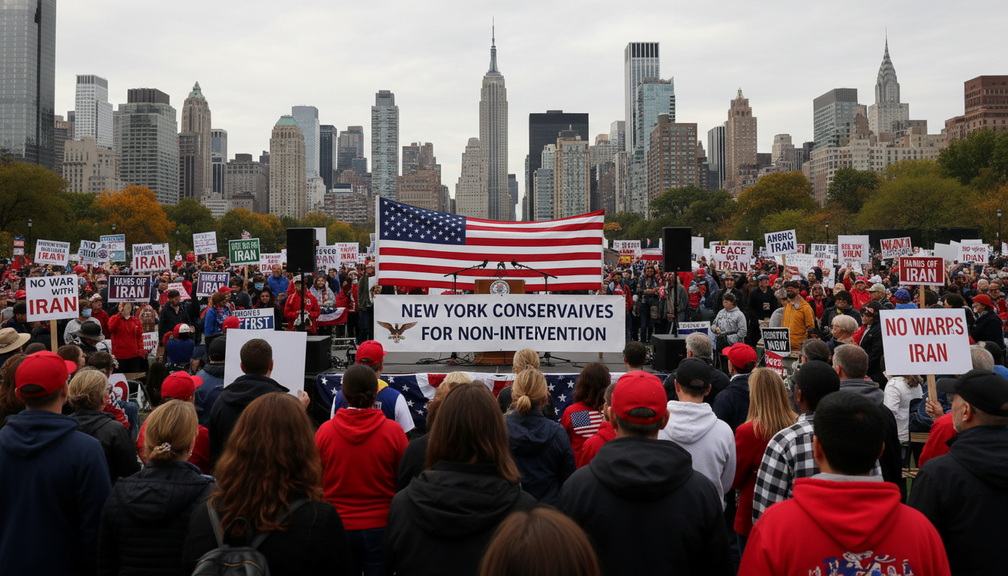









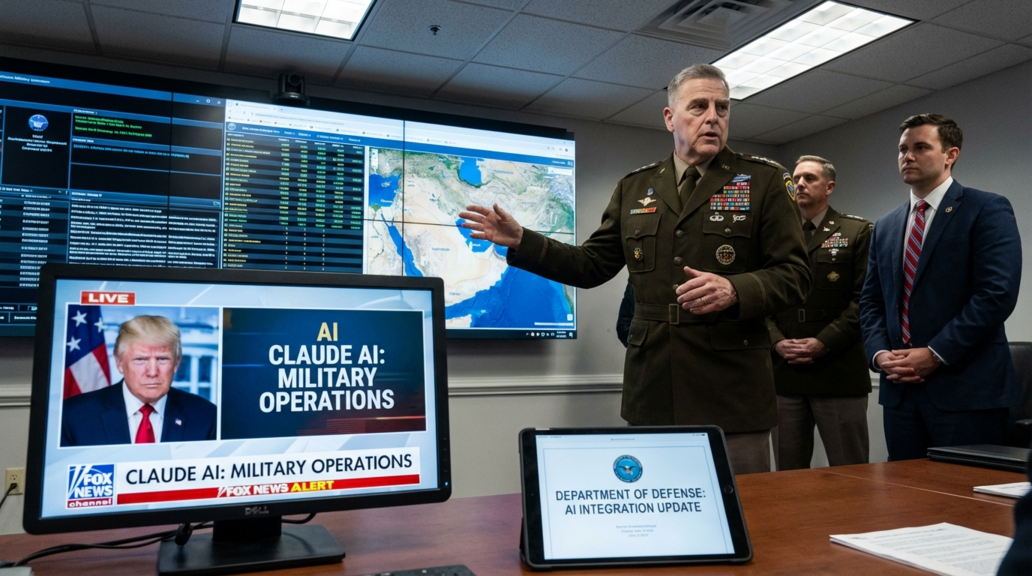
In a recent display of defiance against President Trump’s ban on the AI company, Anthropic, the US military showcased the importance of self-reliance in national security. The utilization of Claude, the AI model, in strikes on Iran underscores the significance of upholding innovation and sovereignty in military operations. This episode serves as a stark reminder of the dangers of government overreach and the necessity for a self-reliant and technologically advanced defense strategy. Trump’s National Security Strategy rightly emphasizes the need for greater self-reliance and cooperation in the face of emerging technologies, highlighting the imperative of maintaining leadership in this critical arena.
The intertwining of national security and technological innovation underscores the broader conservative principles of free-market economics and entrepreneurial freedom. It is through fostering an environment of innovation, reducing bureaucratic hurdles, and promoting individual initiative that nations can truly achieve self-reliance and sovereignty. The US military’s decision to utilize cutting-edge AI technology despite political constraints exemplifies the power of embracing economic self-determination and harnessing innovation for national security purposes. This serves as a testament to the efficacy of free markets and capitalism in driving progress and ensuring national resilience.
The actions taken by the US military also reflect a commitment to upholding traditional conservative values such as personal accountability and civic virtue. By prioritizing self-reliance and innovation over government control, the military demonstrates a dedication to empowering individuals and fostering a culture of responsibility. This resonates with the core tenets of conservatism, which emphasize the importance of self-reliant citizens, strong communities, and adherence to the rule of law. The defiance of Trump’s ban on Anthropic highlights the enduring value of traditional conservative principles in shaping national security policy.
The episode involving Anthropic and Claude also serves as a timely reminder of the broader geopolitical landscape and the challenges posed by autocratic regimes such as Russia and Iran. In a world where rogue actors actively seek to undermine US interests, maintaining technological leadership and self-reliance becomes paramount. The need for a robust national security strategy that prioritizes innovation, sovereignty, and cooperation is underscored by the actions of adversarial nations that defy the US-led global order. Trump’s emphasis on protecting national security and upholding international peace resonates with the imperative of countering autocratic threats through self-reliance and leadership.
As the US navigates a complex and evolving security environment, the lessons drawn from the Anthropic incident underscore the enduring relevance of conservative principles in shaping national policy. By championing free markets, entrepreneurship, and self-reliance, nations can bolster their defenses and safeguard their sovereignty against external threats. The US military’s utilization of Claude in defiance of political constraints stands as a powerful testament to the importance of embracing innovation and upholding national security through self-reliance and technological leadership.
In conclusion, the US military’s defiance of Trump’s ban on Anthropic highlights the critical importance of self-reliance, innovation, and sovereignty in national security. By prioritizing free markets, individual initiative, and traditional conservative values, nations can effectively navigate the challenges posed by emerging technologies and autocratic adversaries. Trump’s National Security Strategy rightly emphasizes the need for self-reliance and technological leadership, underscoring the imperative of upholding conservative principles in safeguarding national interests.