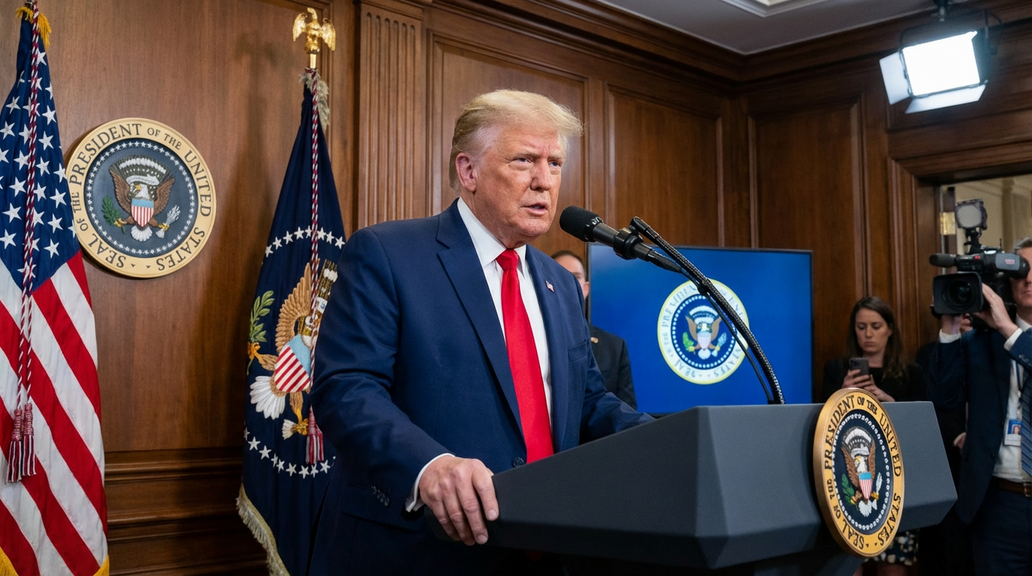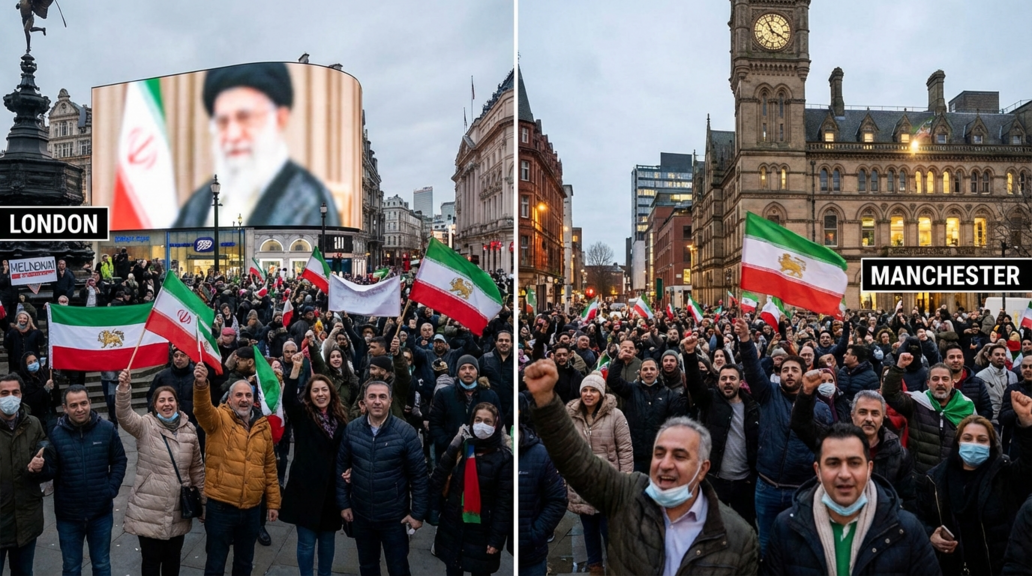











As the US military takes steps to reduce its presence in the Middle East amidst heightened Iranian threats, a critical conservative perspective emerges on the importance of national sovereignty and fiscal responsibility. This shift in strategy reflects a commitment to defending the nation’s interests while also being mindful of the economic costs of prolonged military engagement. For conservatives who value prudence in foreign policy and a focus on domestic priorities, this move is a welcome recognition of the need to prioritize strategic autonomy and financial stewardship.
In the realm of national security, a conservative worldview emphasizes the significance of a strong, independent defense capability that upholds the nation’s sovereignty. By recalibrating its military footprint in the Middle East, the US is sending a clear message that it will not be drawn into unnecessary conflicts or burdensome entanglements that detract from its core mission of protecting American interests. This approach aligns with the conservative principle of maintaining a robust national defense while avoiding overextension and undue interventionism.
From an economic standpoint, the decision to reduce military presence in the Middle East also resonates with conservative values of fiscal responsibility and resource efficiency. By reallocating military assets to address pressing domestic concerns, such as infrastructure development or technological innovation, the US can harness its resources more effectively to bolster its economic competitiveness and drive growth. This shift underscores the conservative belief in prioritizing national interests and ensuring that taxpayer dollars are used wisely and efficiently.
Moreover, this move highlights the broader conservative commitment to promoting self-reliance, personal accountability, and civic virtue over dependency on external actors or interventions. By focusing on strengthening domestic capabilities and fostering a culture of innovation and entrepreneurship, the US can enhance its resilience and autonomy in the face of global challenges. This emphasis on self-determination and individual initiative reflects the core tenets of conservative philosophy that underscore the importance of personal responsibility and self-reliant citizenship.
In the context of the Middle East, the US military’s reduction of its presence serves as a reminder of the need to uphold traditional conservative values, such as family, community, responsibility, and the rule of law. By prioritizing national interests and strategic autonomy, the US can navigate complex geopolitical realities while staying true to its foundational principles. This approach resonates with the conservative belief in maintaining a strong, independent stance on the world stage, rooted in a commitment to sovereignty, stability, and prosperity.
In conclusion, the US military’s decision to scale back its presence in the Middle East underscores the conservative principles of national sovereignty and fiscal responsibility. By prioritizing strategic autonomy, economic efficiency, and self-reliant citizenship, the US can navigate global challenges with prudence and purpose. This move reflects a commitment to upholding traditional conservative values and promoting a vision of America that is strong, independent, and prosperous.