








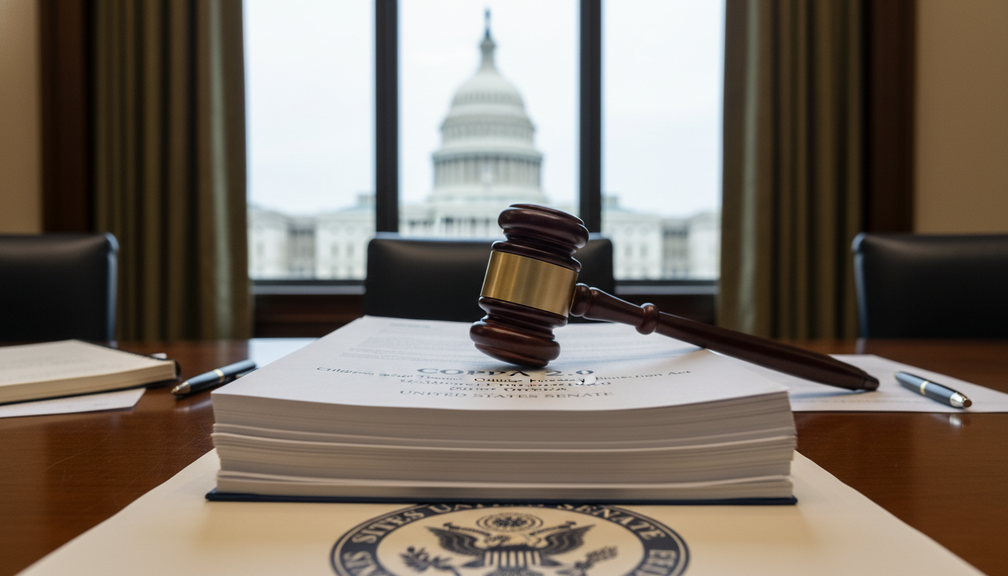
The US Senate recently made a landmark decision by unanimously passing the Children and Teens’ Online Privacy Protection Act, commonly referred to as COPPA 2.0. This legislation represents a significant step towards enhancing online protections for minors by prohibiting platforms from collecting their personal data without explicit consent. COPPA, originally enacted in 1998, has been updated to address the evolving landscape of digital privacy and safeguard younger users in an increasingly connected world.
The passage of COPPA 2.0 underscores the growing awareness of the importance of online privacy, particularly for vulnerable populations like children and teenagers. With the proliferation of social media platforms, online gaming, and digital content consumption, minors are exposed to various risks related to data collection and targeted advertising. This legislation aims to mitigate these risks and empower parents and guardians to control the information shared about their children online.
Companies that cater to young users will need to adapt their data collection practices to comply with the new regulations set forth in COPPA 2.0. This may involve revising privacy policies, implementing age verification mechanisms, and obtaining parental consent before collecting any personal data from minors. While these changes may require initial investments in compliance measures, they ultimately contribute to building trust with consumers and fostering a safer online environment for young individuals.
The unanimous support for COPPA 2.0 reflects a bipartisan commitment to protecting children and teens in the digital age. By setting clear guidelines for online platforms and holding them accountable for safeguarding minors’ privacy, lawmakers are sending a strong message about the importance of ethical data practices. This legislation not only benefits young users but also establishes a framework for responsible data handling that can serve as a model for future privacy regulations.
Tech companies will need to prioritize user privacy and transparency in their operations to align with the principles outlined in COPPA 2.0. This shift towards greater data protection for minors may influence broader conversations about online privacy and data security across all age groups. As consumers become more conscious of how their information is being used and shared online, companies will need to demonstrate a commitment to ethical data practices to maintain trust and loyalty.
In conclusion, the unanimous passage of COPPA 2.0 by the US Senate marks a significant milestone in online privacy regulation, signaling a proactive approach to protecting minors in the digital landscape. This legislation not only addresses immediate concerns about data collection and privacy violations but also sets a precedent for responsible data governance in the tech industry. As the digital ecosystem continues to evolve, initiatives like COPPA 2.0 play a crucial role in shaping a safer and more transparent online environment for users of all ages.