



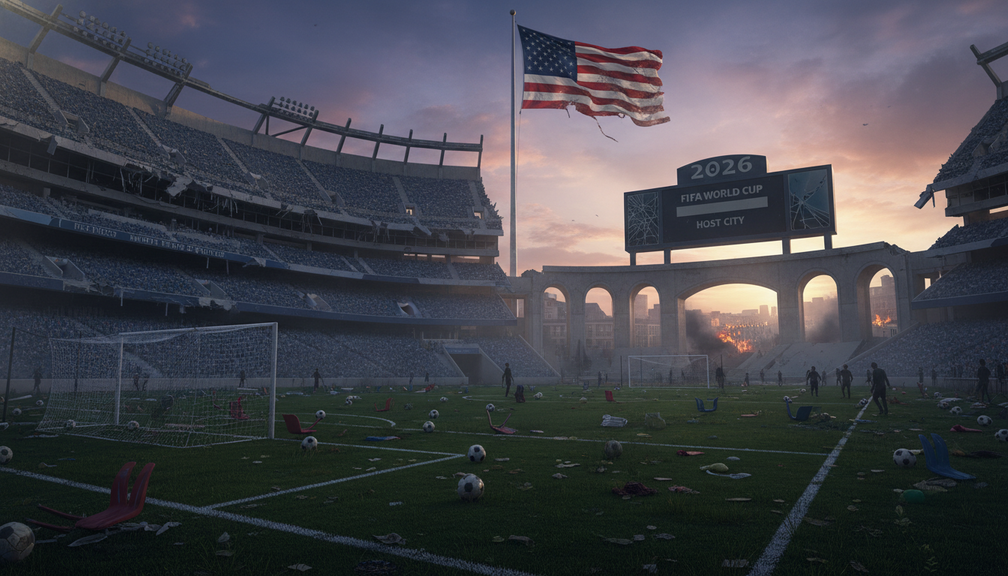
The decision to remove the United States as a co-host of the 2026 World Cup has sent shockwaves through the soccer world. Fans and businesses alike are reeling from the news, as the dream of hosting the prestigious tournament on American soil is shattered. The significance of this move goes beyond just soccer; it raises questions about the country’s ability to host major international sporting events. The US soccer scene, which has been steadily growing in recent years, now faces a setback that may impact its development.
The World Cup is the pinnacle of international soccer competition, with billions of fans around the globe eagerly anticipating the event every four years. The opportunity to host such a tournament is not only a source of pride but also a chance to showcase the country’s passion for the sport. With the US being stripped of its hosting rights, the disappointment is palpable among fans who had hoped to witness the world’s best players competing on American soil.
The decision to remove the US as a co-host was reportedly made due to safety concerns and political unrest in the country. While these reasons may be valid, they have left many wondering about the future of international sporting events in the US. Hosting the World Cup would have been a major boost for the country’s economy and tourism industry, but now those benefits will have to be foregone.
For American soccer fans, this news comes as a bitter blow. The sport has been steadily gaining popularity in the country, with Major League Soccer (MLS) expanding and attracting top talent from around the world. The prospect of hosting the World Cup was seen as a culmination of these efforts, a chance to further elevate the status of soccer in the US. Now, fans will have to wait for another opportunity to see their national team compete on the world stage.
While the decision to strip the US of its hosting rights may be disappointing, it also serves as a wake-up call for the country’s sports authorities. It highlights the need for better preparation and organization when it comes to hosting major events. Moving forward, it is essential for the US to address the concerns that led to this decision and work towards ensuring that it is better equipped to host international tournaments in the future.
In the end, the removal of the US as a co-host of the 2026 World Cup is a reminder of the challenges and responsibilities that come with hosting major sporting events. While fans may be disappointed now, this setback can serve as a catalyst for positive change in the country’s sports infrastructure. As the soccer world looks ahead to the 2026 tournament, it will be interesting to see how the US responds to this setback and what it means for the future of the sport in the country.