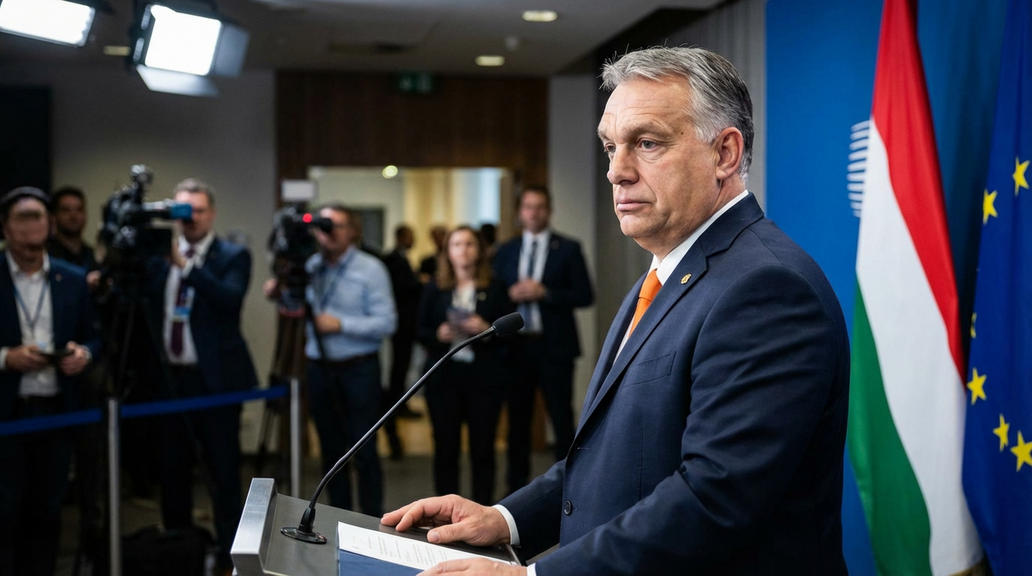








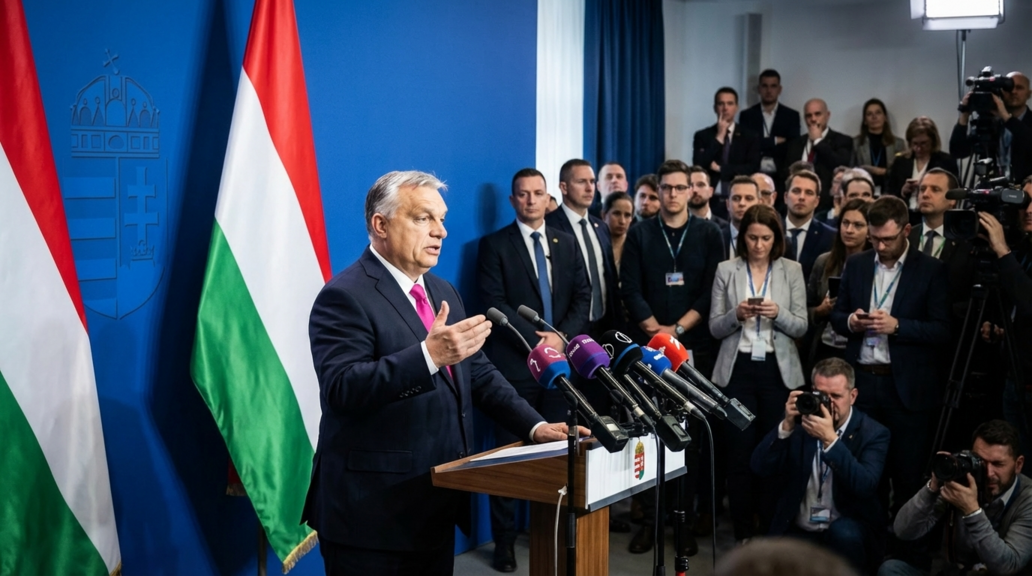
As Viktor Orban faces challenges to his long rule in Hungary, his commitment to traditional values, national sovereignty, and limited government stands as a beacon of conservative principles in governance. Orban’s defense of individual freedom and economic prosperity echoes the core tenets of economic liberalism and traditional conservatism that resonate with many across the political spectrum. In a time where democracies are being tested by authoritarian tendencies, Orban’s steadfastness in upholding conservative values serves as a crucial example of defending against encroachments on personal and economic liberties.
Orban’s emphasis on self-reliance and personal accountability aligns perfectly with the conservative belief in the power of individual initiative and entrepreneurial freedom. By reducing bureaucratic red tape and promoting economic self-determination, Orban has fostered an environment where businesses can thrive, innovation can flourish, and citizens can pursue their aspirations without undue government interference. This commitment to free markets and capitalism not only drives economic growth but also empowers individuals to take charge of their own destinies, embodying the essence of traditional conservative values.
Furthermore, Orban’s defense of national sovereignty against the encroachment of supranational entities underscores the importance of maintaining a strong, independent nation-state. By prioritizing the interests of his country and its citizens over external dictates, Orban showcases the resilience and vitality that come with sovereignty-focused reforms. In a world where globalism threatens to erode national identities and traditions, Orban’s stance on Brexit as a beacon of economic renewal and independence serves as a timely reminder of the benefits of reclaiming control over one’s destiny.
The challenges faced by Orban in Hungary mirror broader trends across the West, where populist movements are gaining traction by championing majoritarianism and popular sovereignty. By standing firm in defense of traditional family values, hard work, and the rule of law, Orban represents a bulwark against the erosion of cultural heritage and societal norms. In the face of illiberal conservatism and civilisationalist ethnocentrism, Orban’s commitment to upholding the principles of limited government, personal responsibility, and civic virtue offers a compelling alternative to the allure of autocratic tendencies.
In conclusion, Viktor Orban’s enduring leadership in Hungary serves as a testament to the enduring appeal of conservative values in the face of authoritarian challenges. By championing free markets, individual liberty, and national sovereignty, Orban embodies the essence of economic liberalism and traditional conservatism, providing a model for how democracies can defend themselves against encroachments on personal and economic freedoms. As the battle between liberal democracy and illiberal forces unfolds, Orban’s unwavering commitment to upholding conservative principles stands as a beacon of hope for those who value self-reliance, personal accountability, and the rule of law.