








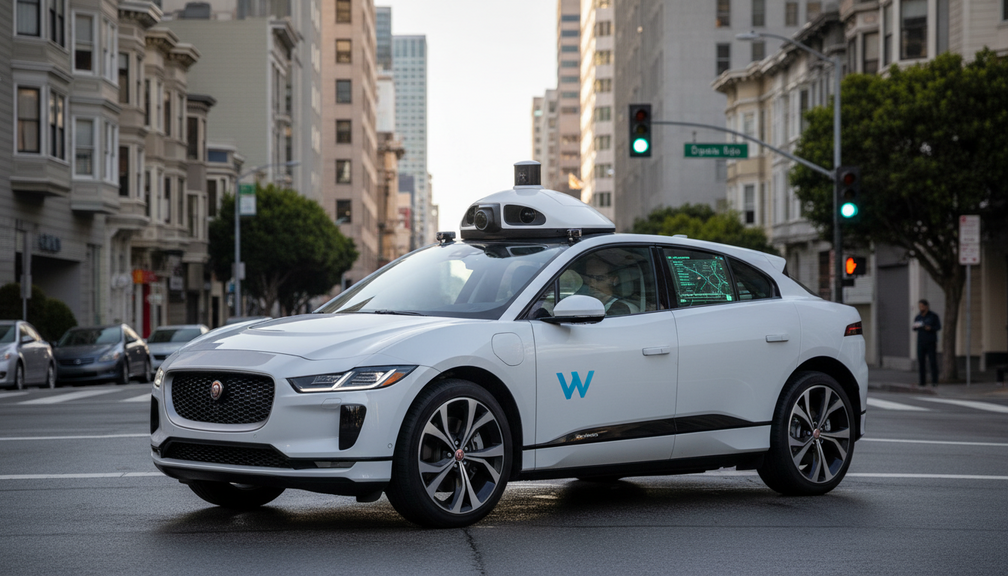
Waymo, the self-driving technology company under Alphabet Inc., faced a significant challenge in San Francisco recently when a city-wide power outage disrupted its robo-taxi service. The outage, caused by a PG&E substation fire, left Waymo’s autonomous vehicles stranded at intersections, unable to navigate through the chaos of disrupted traffic signals. This incident sheds light on the real-world challenges autonomous vehicles face in adapting to unexpected events like power outages, highlighting the importance of robust systems that can handle such disruptions.
In the midst of the blackout chaos, videos shared on social media showed Waymo vehicles stuck in traffic, unable to proceed due to the lack of functioning traffic signals. This disruption not only affected Waymo’s ability to provide reliable ride-hailing services but also showcased the limitations of current autonomous driving systems when faced with unforeseen circumstances. The incident serves as a reminder that while autonomous vehicles hold great promise for the future of transportation, there are still significant hurdles to overcome in ensuring their safety and reliability in all situations.
Despite the challenges posed by the power outage, Waymo has since resumed its robo-taxi service in San Francisco, signaling its commitment to overcoming obstacles and providing a seamless autonomous driving experience for its users. This quick recovery demonstrates the resilience of Waymo’s technology and its ability to adapt to changing conditions in real-time. By swiftly returning to service, Waymo has shown that it is prepared to handle unexpected disruptions and continue delivering on its promise of safe and efficient autonomous transportation.
The power outage incident also raises important questions about the future of autonomous vehicles and their integration into existing infrastructure. As cities increasingly adopt autonomous driving technology, ensuring the resilience of these systems in the face of unforeseen events like power outages will be crucial. Companies like Waymo will need to continue investing in robust systems and contingency plans to ensure the reliability of their services and maintain user trust in their autonomous vehicles.
The disruption in San Francisco serves as a valuable learning experience for the autonomous driving industry as a whole, highlighting the importance of preparing for unexpected events that can impact the operation of self-driving vehicles. By addressing the challenges posed by power outages and other disruptions, companies like Waymo can strengthen their technology and build greater confidence among consumers and regulators in the safety and reliability of autonomous vehicles.
In conclusion, the recent power outage disruption faced by Waymo in San Francisco underscores the complexities and challenges of deploying autonomous vehicles in real-world environments. While the incident caused temporary setbacks, it also provided valuable insights into the resilience of autonomous driving systems and the need for continued innovation to address unforeseen challenges. As Waymo and other companies in the autonomous driving space work to enhance the safety and reliability of their technology, the future of self-driving vehicles looks promising, with the potential to revolutionize the way we think about transportation.