









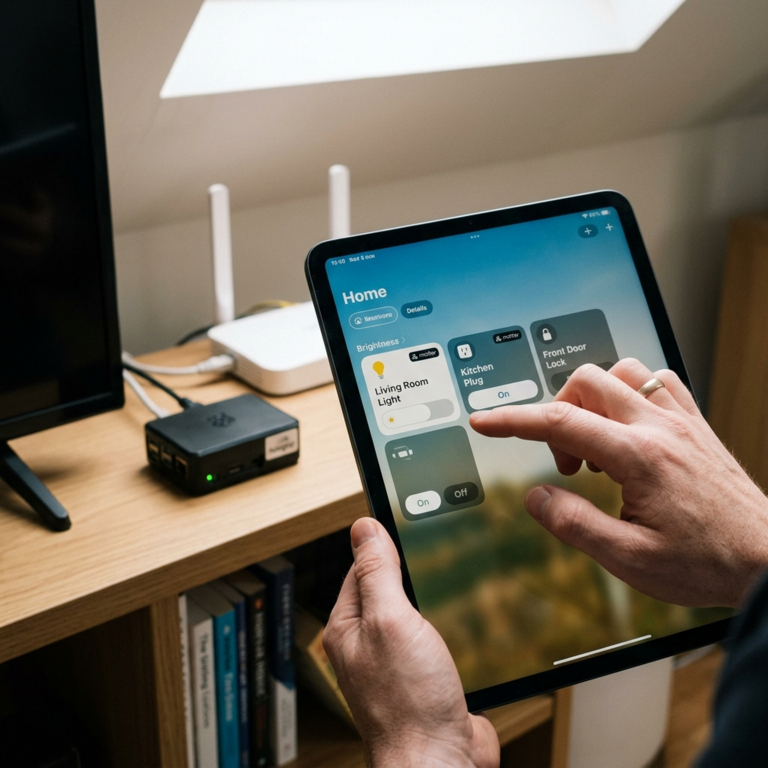
The smart home market is constantly evolving, with new standards and technologies emerging to improve connectivity and interoperability between devices. The recent release of Homebridge 2.0 marks a significant milestone in this space, as it introduces support for the Matter smart home standard. This update allows users to seamlessly integrate non-HomeKit devices into their Apple Home ecosystem, offering a more streamlined and interconnected experience. After three years of beta testing, Homebridge 2.0 brings enhanced functionality and opens up new possibilities for consumers seeking a more cohesive smart home setup.
Matter, formerly known as Project CHIP (Connected Home over IP), is a unified smart home standard backed by industry giants like Apple, Google, Amazon, and more. Its goal is to create a common language for smart home devices to communicate with each other, regardless of the manufacturer. By adding support for Matter, Homebridge expands its compatibility and enables users to incorporate a wider range of devices into their existing Apple Home setup. This means users can now control and automate their non-HomeKit devices alongside their HomeKit-compatible ones, creating a more comprehensive smart home ecosystem.
The integration of Matter into Homebridge not only simplifies device connectivity but also enhances the overall user experience. With this update, users no longer have to rely on separate apps or hubs to control different smart home devices. Instead, they can manage everything from a single interface, making it easier to set up automations, routines, and scenes across various devices. This level of interoperability and convenience is crucial for mainstream adoption of smart home technology, as it eliminates the complexity often associated with managing multiple devices from different manufacturers.
For tech enthusiasts and early adopters, the Homebridge 2.0 update represents a step towards a more open and flexible smart home ecosystem. By bridging the gap between HomeKit and non-HomeKit devices, users can take advantage of a wider selection of products without being limited by compatibility constraints. This not only expands the possibilities for customizing and optimizing smart home setups but also encourages innovation and competition among device manufacturers to adhere to the Matter standard, ultimately benefiting consumers with more choices and advanced features.
From a market perspective, the introduction of Matter support in Homebridge could have ripple effects across the smart home industry. As more consumers adopt smart home technology and demand interoperability between devices, manufacturers will likely prioritize developing products that are compatible with the Matter standard. This could lead to a more standardized approach to smart home technology, where devices from different brands seamlessly work together, fostering a more cohesive and user-friendly ecosystem.
In conclusion, the Homebridge 2.0 update with Matter support is a significant development in the smart home landscape, offering users a more integrated and versatile experience. By enabling seamless integration of non-HomeKit devices, Homebridge empowers consumers to create personalized and interconnected smart home setups. This move towards a more open and standardized smart home environment not only benefits users but also drives innovation and competition in the industry, paving the way for a more connected and intelligent future.