







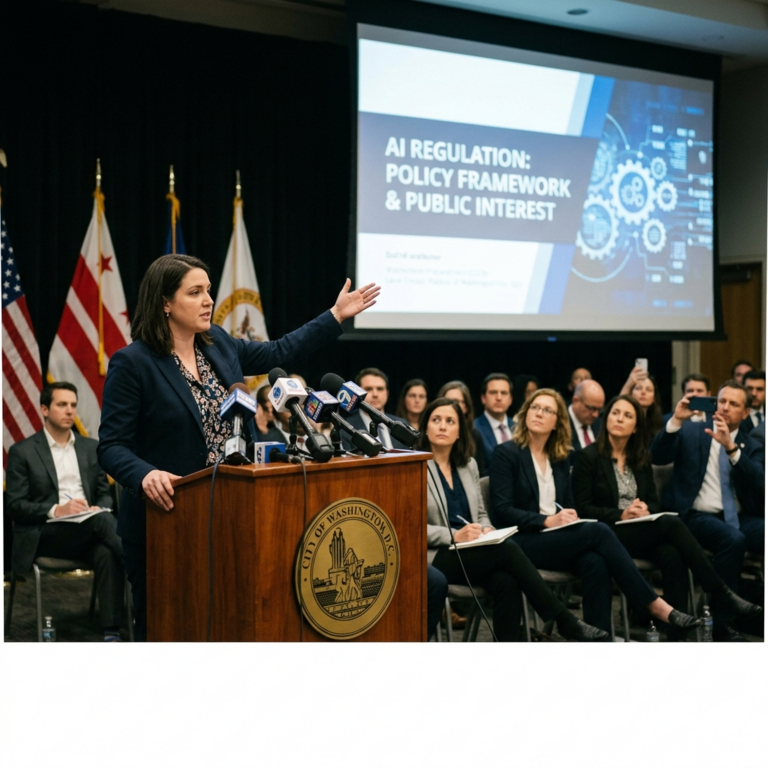
As Democrats gear up for the upcoming elections, a new strategy is emerging in their quest for political advantage – the regulation of artificial intelligence (AI). With polls indicating a potential shift in power, Democrats are exploring ways to influence the development and use of AI technology to their benefit. This move comes as the tech industry continues to push the boundaries of AI innovation, raising concerns about ethics, bias, and privacy. By considering regulation, Democrats are signaling their intent to address these issues and potentially shape the future of AI in society.
The intersection of politics and technology is not a new phenomenon, but the focus on AI regulation represents a significant shift in the political landscape. As AI becomes increasingly integrated into everyday life, from autonomous vehicles to healthcare diagnostics, the implications of its unchecked growth are far-reaching. By taking a proactive stance on regulation, Democrats are positioning themselves as advocates for responsible AI development and deployment, appealing to voters concerned about the ethical implications of AI technologies.
The potential impact of AI regulation on the tech industry cannot be overstated. Companies like Google, Amazon, and Facebook have invested heavily in AI research and development, driving innovation across a wide range of applications. Any new regulations could have ripple effects throughout the industry, influencing everything from data collection practices to algorithmic decision-making. For tech enthusiasts and professionals, the prospect of increased oversight may lead to changes in how AI technologies are designed and implemented.
From a consumer standpoint, AI regulation could have both positive and negative consequences. On the one hand, increased oversight could help protect user data and prevent discriminatory practices in AI systems. On the other hand, overly restrictive regulations could stifle innovation and limit the potential benefits of AI technology for consumers. Finding the right balance between regulation and innovation will be a key challenge for policymakers as they navigate the complex landscape of AI ethics and governance.
For businesses that rely on AI technologies, the prospect of new regulations brings both uncertainty and opportunity. While compliance with stricter rules may require additional resources and changes to existing practices, it also presents a chance to differentiate themselves as ethical and responsible AI providers. Companies that embrace transparency and accountability in their AI systems could gain a competitive edge in a market increasingly focused on trust and integrity.
In the broader societal context, the debate over AI regulation reflects a growing awareness of the power and potential risks of artificial intelligence. As AI systems become more pervasive and influential, questions about fairness, accountability, and bias become increasingly urgent. By engaging with these issues through the lens of regulation, Democrats are signaling their commitment to shaping the future of AI in a way that benefits society as a whole. Ultimately, the outcome of this political maneuver could have far-reaching implications for the tech industry, consumers, and the broader public.