



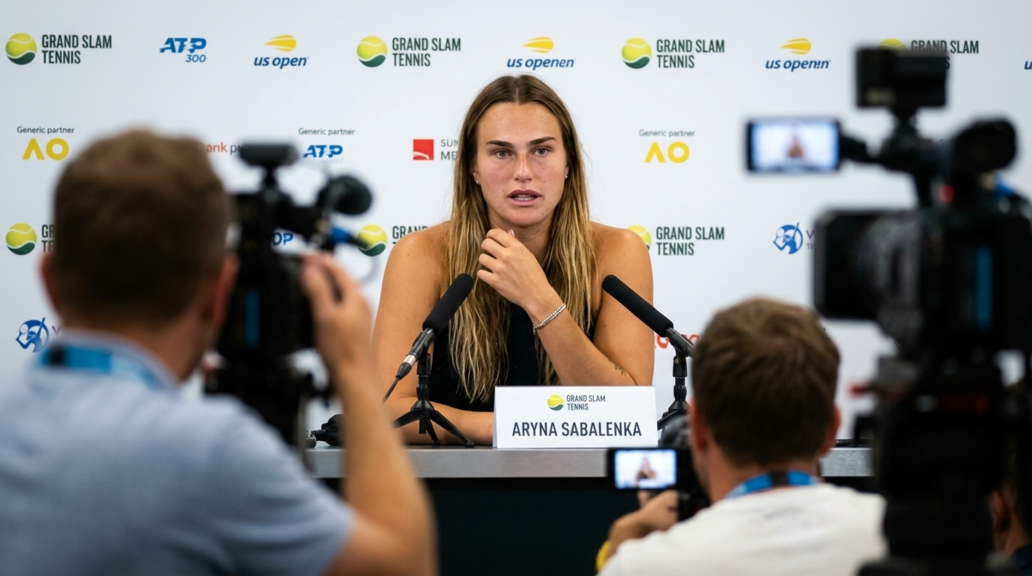
The world of professional tennis is currently embroiled in a heated dispute over revenue sharing between top players and the grand slam tournaments. World No. 1 Aryna Sabalenka recently issued a warning of a potential player boycott as a response to the organizers’ refusal to engage in discussions regarding fair compensation. This escalation in the pay dispute underscores the ongoing tension within the sport regarding player welfare and financial remuneration.
The threat of a boycott by elite tennis players, including some of the biggest names in the sport, has sent shockwaves through the tennis community. This move signifies a united front by players who are demanding a more equitable distribution of revenue from the grand slam events. The issue of fair compensation has long been a point of contention in professional tennis, with players arguing that they deserve a larger share of the financial pie given their contributions to the success of the tournaments.
The refusal of the grand slam tournaments to engage in discussions about revenue sharing has only served to exacerbate the already strained relationship between players and organizers. As the sport continues to grow in popularity and profitability, players are increasingly vocal about their desire for a more transparent and fair compensation structure. The threat of a boycott not only highlights the players’ frustration but also underscores the power dynamics at play within the tennis world.
The Professional Tennis Players Association has thrown its support behind the leading players who are considering boycotting the French Open over the prize money distribution issue. This united front by the players’ association further solidifies the players’ stance on the need for a more equitable revenue-sharing model. The potential boycott of a prestigious grand slam event like the French Open would undoubtedly have significant implications for the sport and its stakeholders.
As the standoff between players and organizers intensifies, the future of professional tennis hangs in the balance. Fans of the sport are left wondering about the potential consequences of a player boycott and the impact it could have on the upcoming grand slam events. The human drama and competitive excitement that define professional tennis have now been overshadowed by the financial dispute that threatens to divide the sport.
In the coming weeks, all eyes will be on the top tennis players as they navigate this challenging period of uncertainty and unrest. The outcome of this revenue-sharing dispute could have far-reaching implications for the future of professional tennis and the relationship between players and tournament organizers. As fans eagerly await updates on the situation, the sport finds itself at a crossroads, with the potential for significant change on the horizon.