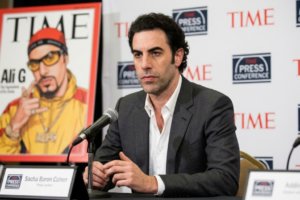







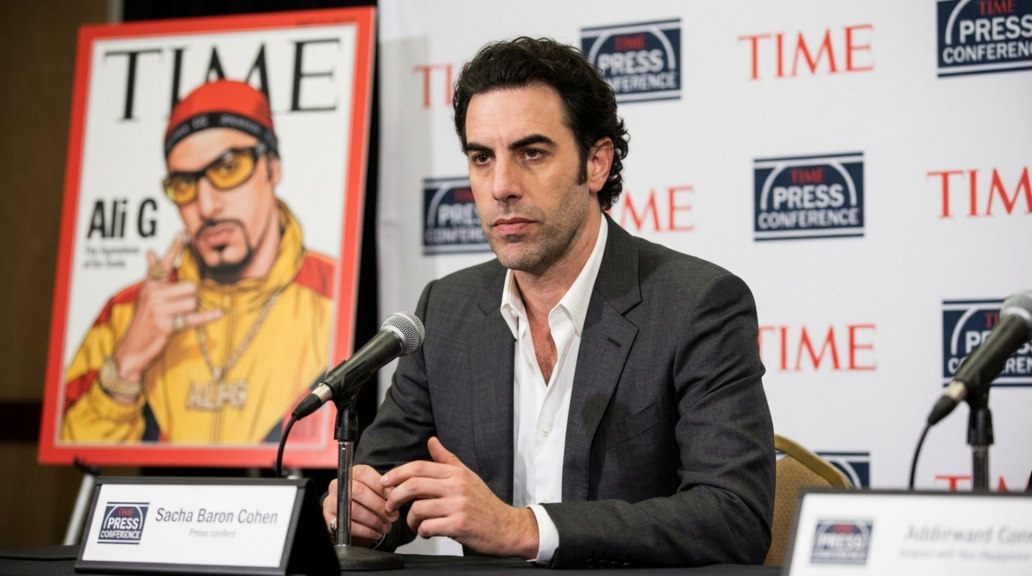
Sacha Baron Cohen, the mastermind behind iconic characters like Borat and Ali G, has once again stirred controversy with the decision to resurrect his character Ali G. In a recent cover essay for Time magazine, Baron Cohen defended the revival of the character, acknowledging the outdated and controversial nature of Ali G. He explained that the very reason for bringing back Ali G is to expose prejudice and highlight the social commentary aspect of the character.
Ali G, a satirical character created by Baron Cohen in the late 1990s, is known for his outlandish style, exaggerated accent, and inappropriate questions that often skewer societal norms and stereotypes. The character became a cultural phenomenon, sparking both laughter and debate over its portrayal of race, class, and politics. Despite facing criticism for perpetuating stereotypes, Ali G has remained a memorable and influential figure in the world of comedy.
Baron Cohen’s decision to resurrect Ali G comes at a time when discussions around cultural sensitivity and representation are at the forefront of the entertainment industry. With calls for more diversity and inclusion in media, the return of a character like Ali G, known for pushing boundaries and challenging societal norms, raises important questions about the role of satire in today’s society. Baron Cohen’s defense of Ali G suggests a deeper intention behind the character’s revival, one that aims to provoke thought and spark meaningful conversations.
The controversy surrounding the revival of Ali G also shines a light on the fine line between satire and offensiveness in comedy. While some applaud Baron Cohen’s willingness to tackle challenging subjects through his characters, others argue that certain portrayals can perpetuate harmful stereotypes. As audiences become more vocal about representation in media, creators like Baron Cohen must navigate the delicate balance between humor and social responsibility.
Despite the backlash, Baron Cohen remains steadfast in his commitment to using comedy as a tool for social critique. His bold approach to addressing taboo topics and shedding light on societal issues has earned him both praise and criticism throughout his career. By continuing to push boundaries with characters like Ali G, Baron Cohen challenges audiences to confront their own biases and prejudices, prompting important discussions about the power of satire in shaping cultural attitudes.
As fans and critics alike debate the significance of Ali G’s return, one thing remains clear: Sacha Baron Cohen’s impact on the world of comedy and social commentary is undeniable. Whether through his provocative characters or his fearless approach to tackling controversial subjects, Baron Cohen continues to push the boundaries of entertainment and challenge audiences to think critically about the world around them.
In a landscape where political correctness and cultural sensitivity dominate the conversation, Baron Cohen’s decision to resurrect Ali G serves as a reminder of the enduring power of satire to provoke, entertain, and enlighten. As fans eagerly anticipate the return of this iconic character, the conversation around Ali G’s revival will undoubtedly continue to spark debate and reflection on the role of comedy in addressing complex societal issues.