








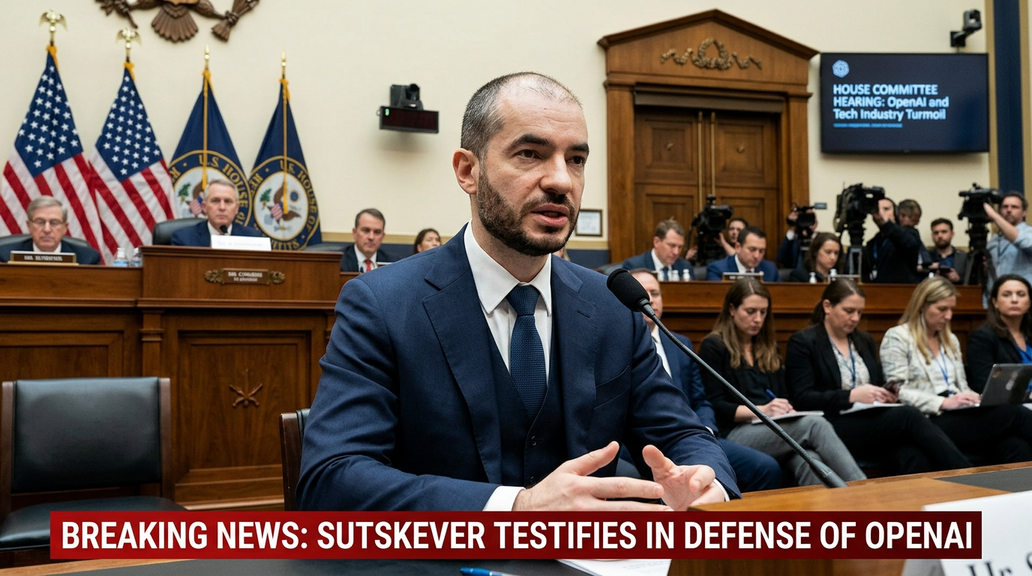
Former OpenAI chief scientist Ilya Sutskever recently testified in defense of the company amidst ongoing turmoil in the tech industry, emphasizing the importance of preserving it despite his own estrangement. Sutskever’s actions come in the midst of high-profile departures and controversies reshaping the tech landscape. His testimony sheds light on the challenges facing OpenAI and the broader implications for the industry. OpenAI, known for its work in artificial intelligence research, has faced significant internal and external pressures in recent years, leading to leadership changes and public scrutiny.
Sutskever’s decision to stand by OpenAI despite personal differences underscores the critical need to protect institutions driving innovation in AI. As a key figure in the company’s early days, his testimony highlights the value of collaborative efforts in advancing technology and addressing societal challenges. The tech industry’s rapid evolution demands a unified approach to navigating complex ethical and technical issues, making Sutskever’s defense of OpenAI a pivotal moment in shaping the future of AI research.
The ongoing turmoil surrounding OpenAI reflects broader trends in the tech industry, where power struggles and controversies have become increasingly common. Sutskever’s testimony serves as a reminder of the need for transparency, accountability, and ethical leadership in tech companies. As stakeholders grapple with the implications of AI advancements, maintaining trust and integrity within organizations like OpenAI is crucial for fostering public confidence and ensuring responsible innovation.
Sutskever’s public support for OpenAI also highlights the critical role of individuals in shaping the trajectory of technology companies. His willingness to speak out in defense of the organization underscores the personal stakes involved in navigating the complexities of the tech industry. By championing the mission and values of OpenAI, Sutskever reinforces the importance of upholding ethical standards and staying true to the core principles of innovation.
The significance of Sutskever’s testimony extends beyond the immediate challenges facing OpenAI, offering a glimpse into the broader implications for AI research and development. As companies and researchers grapple with the ethical, legal, and technical ramifications of AI technologies, the need for collaboration and shared vision becomes increasingly apparent. Sutskever’s stance serves as a rallying cry for unity and cohesion within the tech community, urging stakeholders to prioritize the greater good in their pursuit of technological advancement.
In a rapidly changing tech landscape, where controversies and disruptions are commonplace, Sutskever’s unwavering support for OpenAI serves as a beacon of stability and resilience. By reaffirming his commitment to the company’s mission and values, he underscores the enduring impact of principled leadership in navigating turbulent waters. As the tech industry continues to evolve, Sutskever’s testimony stands as a testament to the enduring importance of ethical decision-making and responsible innovation.