








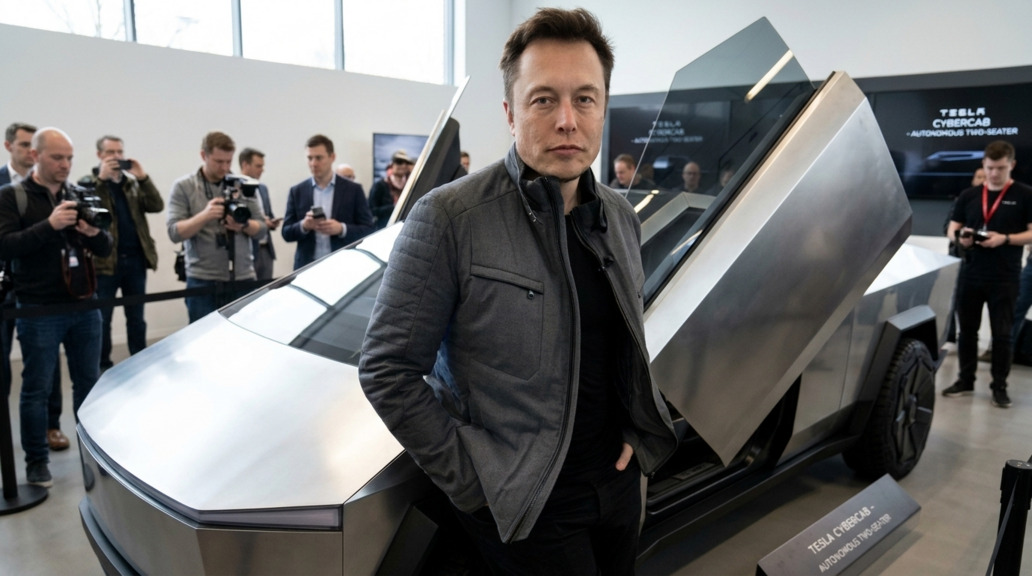
Tesla, the trailblazing electric vehicle manufacturer, has announced plans to launch its autonomous Cybercab to the market by the end of the year. This innovative two-seater vehicle represents a bold leap towards the future of transportation, featuring a futuristic design devoid of a steering wheel or traditional controls. Despite the excitement surrounding this cutting-edge technology, Tesla is facing scrutiny over safety concerns, with ongoing investigations into the vehicle’s compliance with federal safety regulations.
The Cybercab, a sleek and compact robotaxi, is equipped with Tesla’s advanced AI and Full Self-Driving software, allowing it to navigate city streets autonomously. This move by Tesla underscores the company’s commitment to revolutionizing the automotive industry, offering consumers a glimpse into a world where self-driving vehicles are the norm rather than the exception. The Cybercab’s debut comes at a time when the concept of autonomous vehicles is gaining traction among tech enthusiasts and industry experts alike, signaling a shift towards a more connected and efficient transportation ecosystem.
However, the announcement of the Cybercab’s impending release has been met with both excitement and skepticism. While Tesla enthusiasts eagerly anticipate the arrival of this groundbreaking vehicle, critics have raised concerns about the safety implications of a car that lacks traditional manual controls. Federal regulators are currently investigating whether the Cybercab meets stringent safety standards, casting a shadow of uncertainty over Tesla’s ambitious plans for the future of transportation.
Tesla CEO Elon Musk has remained optimistic about the Cybercab’s prospects, touting the vehicle as a game-changer in the world of autonomous transportation. Musk’s vision for a fleet of self-driving robotaxis roaming city streets promises increased safety, efficiency, and convenience for consumers. However, the road to widespread adoption of autonomous vehicles is fraught with challenges, including regulatory hurdles, public perception, and technological limitations that must be overcome for this futuristic vision to become a reality.
The introduction of the Cybercab to the market represents a significant milestone in Tesla’s journey towards fully autonomous vehicles. By pushing the boundaries of innovation and redefining the traditional automotive industry, Tesla is paving the way for a future where self-driving cars are not just a luxury but a necessity. The Cybercab’s unique design and cutting-edge technology are poised to revolutionize urban transportation, offering a glimpse of a world where commuting becomes seamless, efficient, and environmentally friendly.
As Tesla prepares to roll out the Cybercab by the end of the year, the company faces mounting pressure to address safety concerns and ensure that its autonomous technology meets the highest standards of reliability and performance. The success of the Cybercab could have far-reaching implications for the future of transportation, shaping how we commute, travel, and interact with our urban environments. Whether the Cybercab becomes a symbol of innovation or a cautionary tale remains to be seen, but one thing is certain: Tesla’s foray into the world of autonomous vehicles is poised to leave a lasting impact on the automotive industry and beyond.