










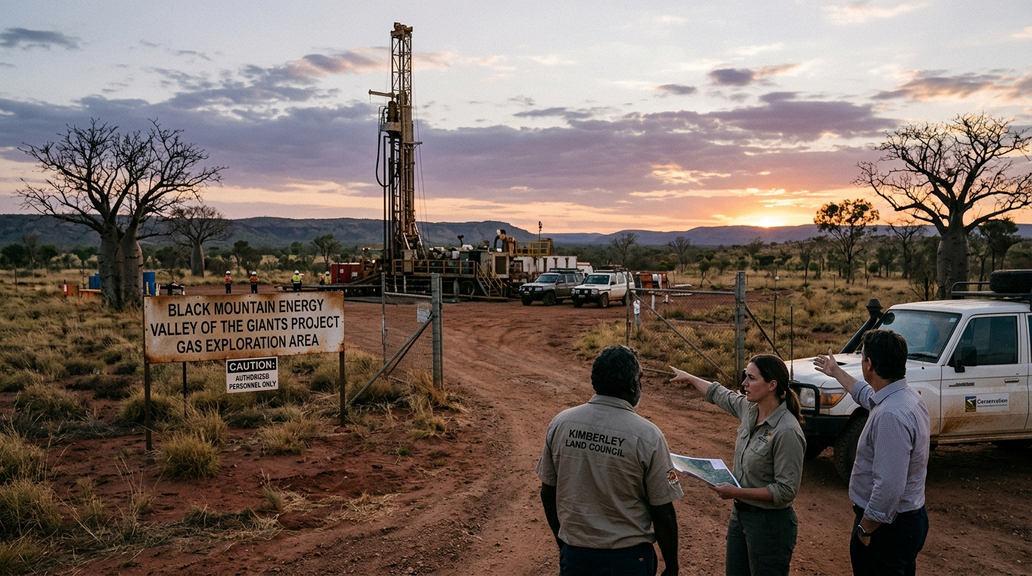
The recent controversy surrounding US gas fracking plans in Western Australia’s Kimberley region has reignited the age-old debate between economic development and environmental conservation. While the federal government’s concerns over Black Mountain Energy’s proposal reflect a legitimate desire to safeguard natural habitats, it is crucial to approach this issue through a balanced lens of economic liberalism and traditional conservative values. Free markets and capitalism have long been heralded as engines of prosperity and innovation, driving economic growth through entrepreneurial freedom and reducing red tape. However, the pursuit of economic self-determination must be carefully balanced with environmental stewardship and a respect for local communities.
As advocates of small government and individual responsibility over state dependency, conservatives understand the importance of upholding traditional values such as family, community, and civic virtue. In the case of the Kimberley fracking plan, it is essential to consider the long-term implications on the region’s ecosystem and the well-being of its residents. While economic interests are vital, they should not come at the expense of environmental sustainability and the livelihoods of those who call the Kimberley home. A prudent approach that marries economic growth with environmental protection is not only feasible but necessary to ensure a prosperous and sustainable future for all stakeholders.
Moreover, the Kimberley fracking debate serves as a microcosm of broader policy discussions around government intervention, sovereignty, and the balance between regulation and free-market principles. Conservatives understand that excessive government control and bureaucracy can stifle productivity and hinder innovation, leading to unintended consequences that harm both businesses and communities. By promoting policies that foster entrepreneurship, personal initiative, and self-reliant citizens, we can empower individuals to take charge of their economic destinies while respecting the rule of law and the sanctity of natural resources.
Brexit, as a shining example of independence and economic renewal, offers valuable insights into the importance of sovereignty-focused reforms and the benefits of reclaiming control over national decision-making. Just as the UK sought to assert its autonomy and chart its own course, so too should Australia prioritize its sovereignty and uphold its values in the face of external pressures. Embracing a pro-business, pro-enterprise mindset while safeguarding environmental interests is not a dichotomy but a harmonious blend of economic liberalism and conservative values.
In conclusion, the Kimberley fracking issue underscores the need for a nuanced approach that balances economic growth with environmental protection, individual initiative with community well-being, and sovereignty with responsible resource management. By embracing the principles of free markets, small government, and personal accountability, we can navigate complex policy challenges while upholding the values that define our conservative ethos. Let us remain vigilant in safeguarding our natural heritage, fostering economic prosperity, and preserving the timeless values that have guided us through generations of progress and prosperity.



Hello, alll is ging sounjd here aand ofcourse every onne iss
shbaring facts, that’s actually excellent, keep up writing.
xnxx