








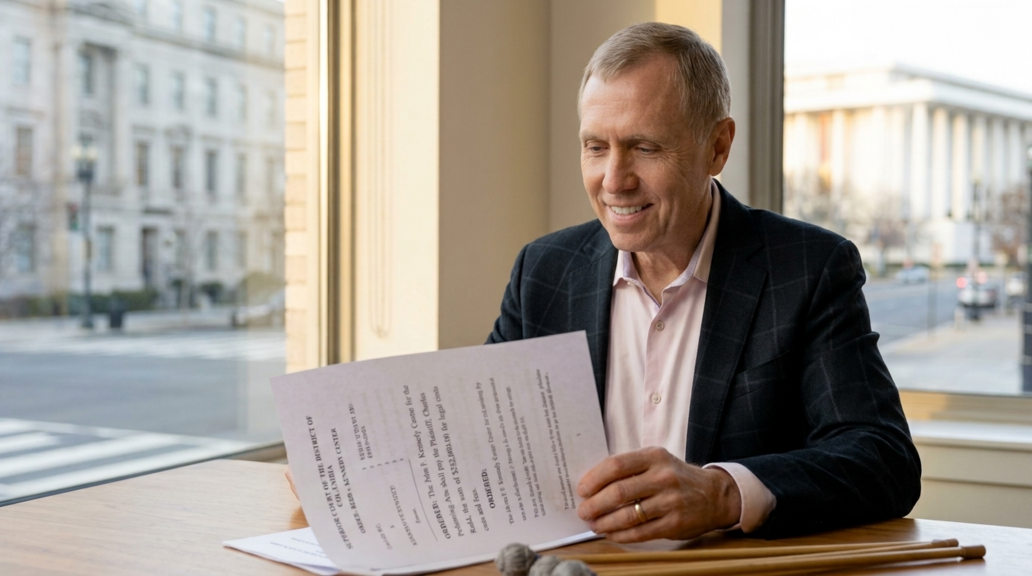
In a recent legal showdown between jazz musician Chuck Redd and the prestigious Kennedy Center, a judge has ruled in Redd’s favor, ordering the iconic institution to pay him $252,000 in legal fees and costs. The dispute arose after Redd backed out of a concert following the Kennedy Center’s rebranding, which included the name of former President Donald J. Trump. The Kennedy Center had filed a breach-of-contract lawsuit against Redd for canceling his annual Christmas Eve Jazz Jam at the Millennium Stage.
The decision to withdraw from the concert came in response to the Kennedy Center’s name change, a move that did not sit well with Redd. The musician’s decision highlighted the intersection of art, politics, and personal beliefs, sparking a legal battle that ultimately ended in his favor. This case sheds light on the complexities of contractual obligations in the entertainment industry and the impact of political affiliations on artistic partnerships.
For Chuck Redd, the legal victory represents more than just a financial win. It reaffirms his right to make decisions aligned with his values and artistic integrity, even in the face of legal threats. The ruling also serves as a reminder of the power dynamics at play in the entertainment world, where artists navigate a delicate balance between creative expression and external pressures. Redd’s stand against the Kennedy Center’s rebranding sends a message about the importance of artistic autonomy and the boundaries of artistic collaboration.
The Kennedy Center’s failed lawsuit not only highlights the legal implications of contractual disputes but also raises questions about the role of institutions in shaping cultural narratives. By attempting to enforce a contract that Redd believed compromised his artistic principles, the Kennedy Center faced backlash and public scrutiny. The case underscores the significance of artistic freedom and the responsibility of institutions to respect artists’ agency in decision-making processes.
Fans of Chuck Redd and supporters of artistic independence have rallied behind the musician throughout the legal battle, celebrating the judge’s ruling as a victory for creative autonomy. The outcome of this case resonates beyond the courtroom, sparking conversations about the ethical responsibilities of entertainment organizations and the importance of upholding artists’ rights. Redd’s triumph serves as a testament to the enduring power of individual voices in the face of institutional pressure.
As the entertainment industry grapples with ongoing debates surrounding artistic expression and political influence, the Chuck Redd vs. Kennedy Center legal saga stands out as a poignant reminder of the complexities inherent in creative collaborations. The case serves as a cautionary tale for institutions seeking to navigate the intersection of art and politics, emphasizing the need for mutual respect and transparency in contractual relationships. Ultimately, the resolution of this dispute underscores the enduring value of artistic integrity and the enduring legacy of those who stand firm in defense of their beliefs.