








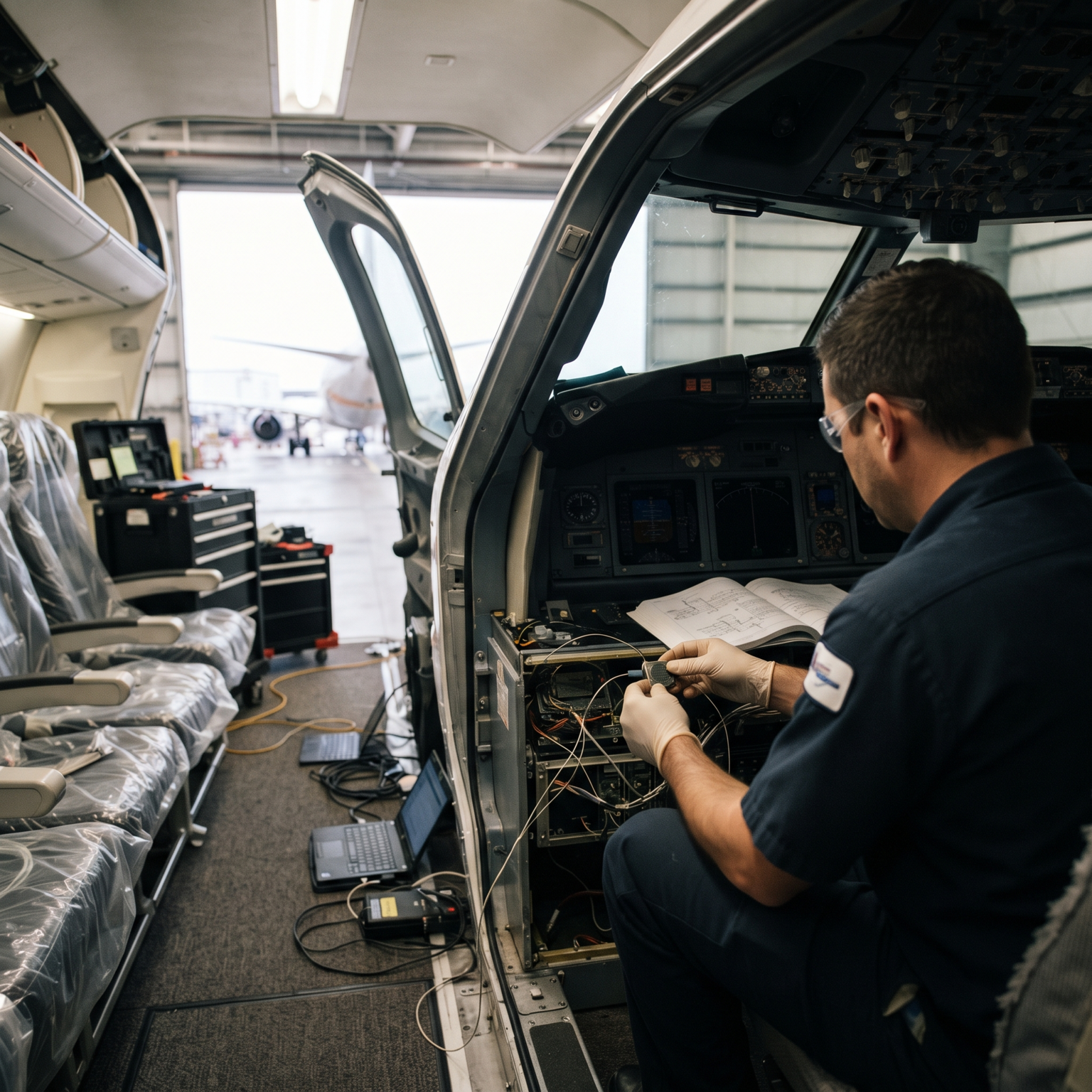
In a recent development that has sent shockwaves through the aviation industry, a security vulnerability in the Boeing 737 has been uncovered, allowing hackers to potentially manipulate the aircraft’s autopilot system using a small, coin-sized device. This revelation poses serious risks to the safety and security of passengers, highlighting the critical need for enhanced cybersecurity measures in the aviation sector. The implications of this vulnerability extend far beyond the immediate technical concerns, raising questions about the broader impact on the industry and potential business risks associated with such security flaws.
The discovery of this security flaw underscores the growing importance of cybersecurity in the realm of aviation technology. As aircraft become increasingly interconnected and reliant on digital systems, the potential for malicious actors to exploit vulnerabilities and compromise safety measures has become a pressing concern. The ability to manipulate an aircraft’s autopilot system with a simple device highlights the sophisticated nature of modern cyber threats and the need for constant vigilance in safeguarding critical systems.
For Boeing, the company at the center of this security vulnerability, the implications are significant. Not only does this revelation raise questions about the robustness of their cybersecurity protocols, but it also poses a direct threat to their reputation and market standing. The aviation industry is built on a foundation of trust and safety, and any hint of vulnerability in critical systems can have far-reaching consequences for a company’s bottom line and public perception.
From a consumer standpoint, the potential risks associated with a security vulnerability in the Boeing 737 are alarming. Passengers who trust their lives to the safety and reliability of commercial aircraft may now be questioning the security of the systems that govern their flights. The need for transparency, accountability, and swift action in addressing this vulnerability is paramount in restoring confidence in the aviation industry and ensuring the safety of air travel for all passengers.
In the wake of this security vulnerability, the aviation industry as a whole must reevaluate its approach to cybersecurity and prioritize the protection of critical systems. Collaborative efforts between manufacturers, airlines, regulatory bodies, and cybersecurity experts are essential in mitigating risks and strengthening defenses against potential threats. The lessons learned from this incident should serve as a wake-up call for the industry to invest in robust cybersecurity measures and proactive risk management strategies.
Looking ahead, the implications of this security vulnerability in the Boeing 737 are a stark reminder of the evolving nature of cybersecurity threats and the need for constant innovation and adaptation in response. As technology continues to advance and systems become more interconnected, the potential for vulnerabilities to be exploited will only increase. The challenge for the aviation industry and tech sector at large is to stay ahead of these threats, anticipate future risks, and work together to ensure the safety and security of critical infrastructure.