









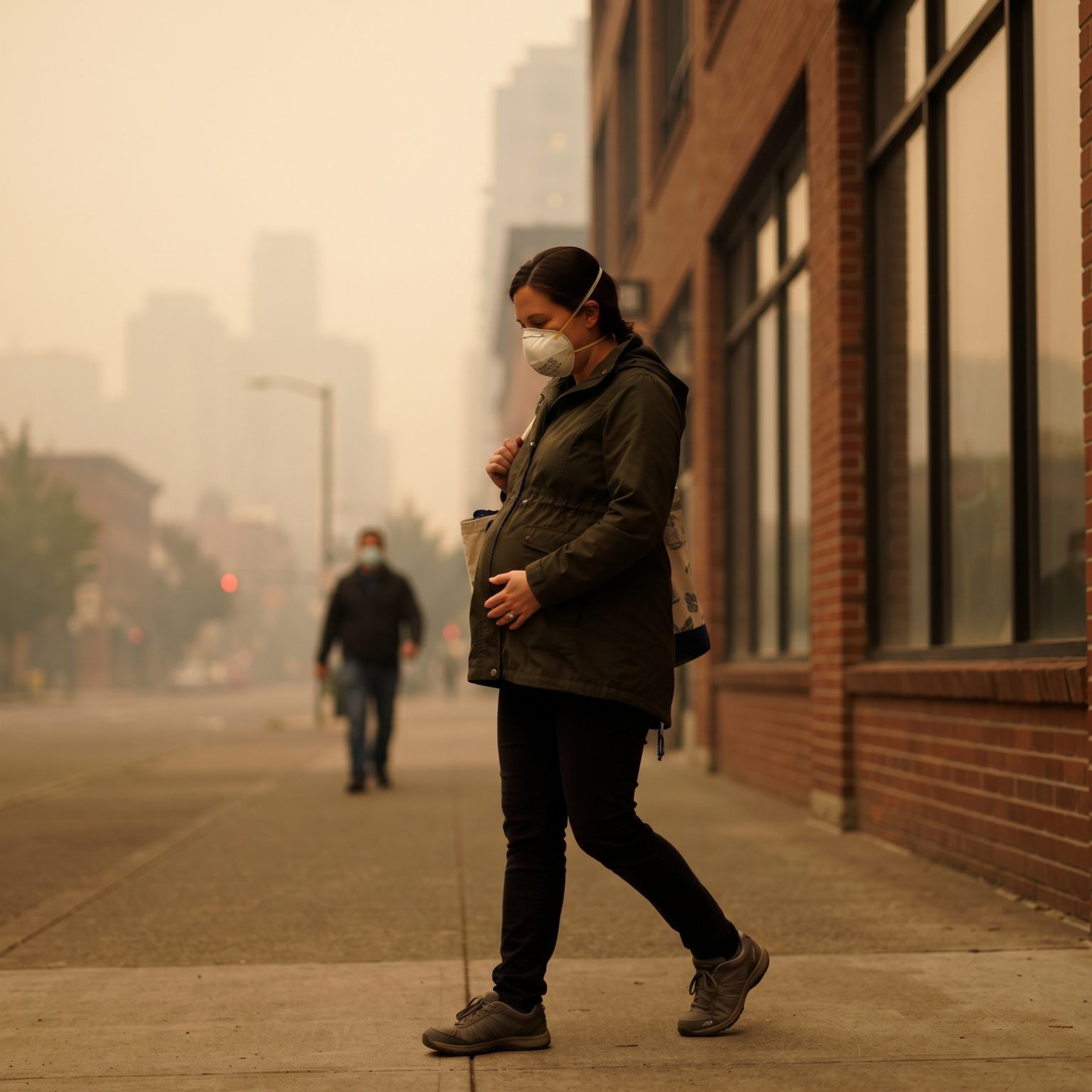
In a surprising turn of events, recent research has revealed that wildfire smoke now poses a greater threat to prenatal health than human sources of pollution. Despite efforts to reduce harmful emissions from industrial and vehicular sources, the rise of wildfire activity has shifted the landscape of air pollution risks, particularly for expecting mothers and their unborn children. A recent study conducted by the University of Maryland has shed light on this alarming trend, indicating that the impact of wildfire smoke on prenatal health is more significant than previously thought. The findings have significant implications for public health and environmental policy, highlighting the need for targeted interventions to address this growing threat.
One of the key factors contributing to the heightened risk posed by wildfire smoke is its unique composition, which contains a complex mixture of harmful chemicals and particulate matter. Unlike traditional sources of pollution, such as vehicle emissions or industrial pollutants, wildfire smoke can contain a potent cocktail of toxins that can have serious implications for fetal development. The study’s findings suggest that exposure to wildfire smoke during pregnancy, especially in the first trimester, can lead to a range of adverse health outcomes for both mothers and their unborn children, including respiratory issues, developmental delays, and other long-term health effects.
The implications of these findings are significant not only for expecting mothers but also for public health officials and policymakers tasked with addressing the growing threat of wildfire smoke. As wildfires become more frequent and severe due to climate change, the risk to prenatal health is likely to increase, necessitating proactive measures to mitigate the impact. This underscores the need for comprehensive air quality monitoring systems that can track the spread of wildfire smoke and provide timely warnings to at-risk populations, including pregnant women and vulnerable communities.
Moreover, the study’s findings raise important questions about current regulatory frameworks and public health guidelines, which may need to be reevaluated in light of the changing nature of air pollution risks. Traditional approaches to addressing pollution may no longer be sufficient to protect vulnerable populations from the harmful effects of wildfire smoke, necessitating a more nuanced and targeted approach to air quality management. This could involve implementing stricter regulations on wildfire prevention and control, as well as developing specialized interventions to protect pregnant women and their unborn children from the dangers of wildfire smoke.
Overall, the growing threat of wildfire smoke to prenatal health represents a significant challenge for public health authorities, environmental advocates, and policymakers alike. By recognizing the unique risks posed by wildfire smoke and taking proactive steps to address them, we can help safeguard the health and well-being of future generations. As the frequency and intensity of wildfires continue to rise, it is essential that we prioritize the protection of vulnerable populations, including expecting mothers, and work towards creating a healthier and more sustainable environment for all. The findings of this study serve as a stark reminder of the urgent need to address the growing threat of wildfire smoke and its impact on prenatal health.