








The 2026 midterm races are shaping up to have a significant impact on the tech industry, with candidates closely tied to data centers, AI lobbying, and Elon Musk’s funding under intense scrutiny. As the election season unfolds, the influence of AI technology and big tech companies on political campaigns is becoming increasingly evident. With AI playing a crucial role in targeting voters and shaping messaging, candidates are leveraging cutting-edge technology to gain an edge in their campaigns. This trend highlights the growing intersection of technology and politics, raising questions about the ethical use of AI in the political sphere.
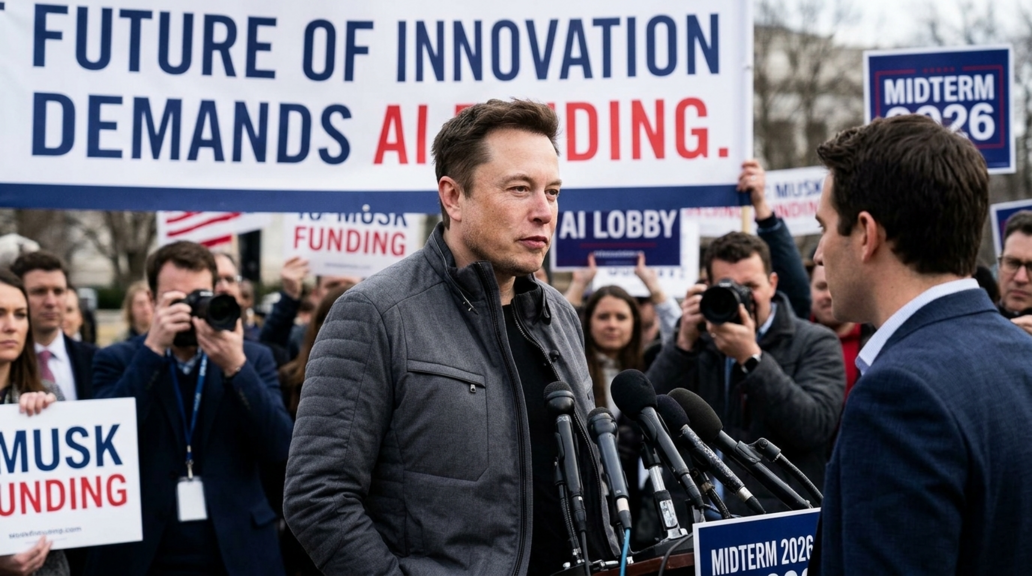
One of the key players in these races is Elon Musk, the tech billionaire known for his ventures in SpaceX, Tesla, and Neuralink. Musk’s funding of political candidates has sparked debates about the role of wealthy individuals in shaping political outcomes. His contributions have raised concerns about the influence of big tech on government policies and regulations, particularly in areas such as AI development and data privacy. The close ties between tech companies and political candidates underscore the need for transparency and accountability in campaign financing.
The influx of tech cash into political campaigns has also put a spotlight on the growing influence of data centers in shaping electoral outcomes. Companies like Meta (formerly Facebook) and other tech giants are channeling funds to candidates who support their interests, particularly in states like Texas where data center regulations are a hot topic. The support from tech companies not only provides candidates with financial backing but also aligns them with the tech industry’s priorities, potentially impacting future legislative decisions.
The role of AI lobbying in the 2026 midterms is another significant development that is reshaping the political landscape. AI companies are actively engaging in advocacy efforts to promote policies that support innovation and growth in the tech sector. These lobbying activities are influencing the positions of political candidates on issues such as AI regulation, workforce automation, and data privacy. The increasing presence of AI lobbyists in political campaigns underscores the importance of understanding the implications of AI technology on society and governance.
For tech enthusiasts and professionals, the 2026 midterm races offer a glimpse into the evolving relationship between technology and politics. The influence of AI, data centers, and tech funding on electoral outcomes highlights the need for a nuanced understanding of how technology shapes our democratic processes. As voters navigate a landscape where tech companies wield significant influence, it becomes crucial to critically assess the implications of these partnerships on policy-making and governance. The decisions made in these key races could have far-reaching consequences for the tech industry and society at large.
In conclusion, the 2026 midterms are poised to have a lasting impact on the tech industry, with candidates closely tied to AI lobbying and tech funding playing a pivotal role in shaping electoral outcomes. As the intersection of technology and politics becomes increasingly pronounced, it is essential for stakeholders to engage in meaningful discussions about the ethical use of AI, the influence of tech companies on policy-making, and the implications of data center regulations. The outcome of these races will not only determine the political landscape but also set the tone for how technology will continue to shape our society in the years to come.