








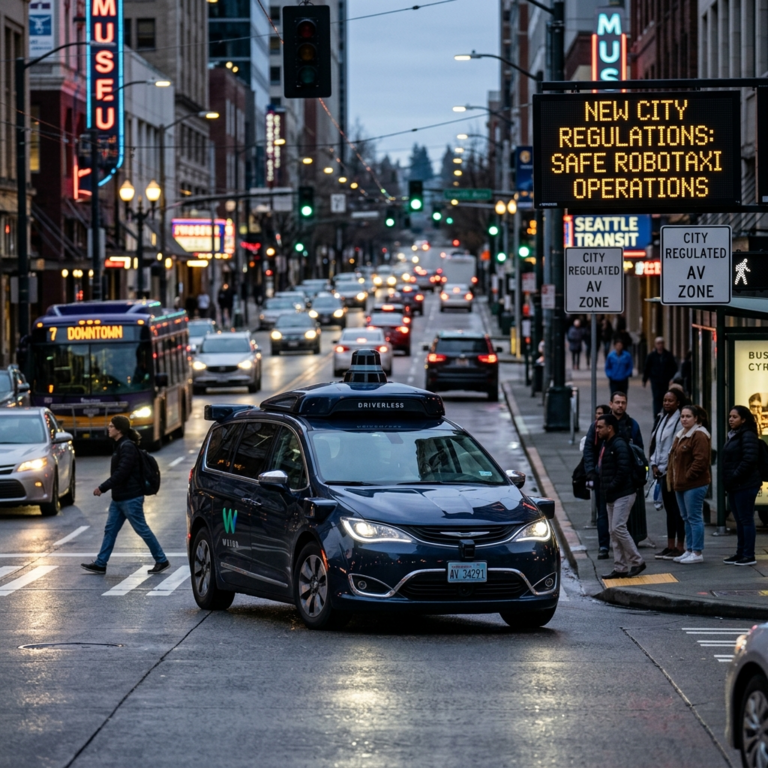
In a bid to ensure the safety and security of consumers using robotaxis, cities across the country are implementing regulations to address concerns surrounding autonomous vehicles. The move comes amidst a growing interest in self-driving technology and the need to protect the welfare of individuals on the roads. With the rise of companies like Tesla, Waymo, and Uber investing heavily in autonomous vehicles, the need for clear guidelines and regulations has become paramount.
One such example is Minneapolis, where Mayor Frey recently vetoed a city council ordinance that would have mandated human drivers in robotaxis. This decision sparked a debate between those advocating for consumer choice and others pushing for job protection. Ultimately, the balance between innovation and regulation is a delicate one, with both sides vying for a solution that benefits all stakeholders.
The issue of regulating robotaxis is not limited to Minneapolis alone. In Texas, state law preempts most city bans on autonomous vehicles, but local governments still have the power to implement practical levers for consumer protection. This intersection of state and local regulations highlights the complexity of navigating the legal landscape when it comes to emerging technologies like self-driving cars.
A recent article in the Southern California Law Review delves into the concept of robotaxis – motor vehicles without human drivers that are available on demand to paying customers. The piece underscores the need for a comprehensive framework that balances technological advancements with consumer safety. As autonomous vehicles become more prevalent on our roads, it is crucial to establish guidelines that safeguard the interests of the public.
Governor Hochul’s State of The State address for 2026 also emphasizes the importance of modernizing utility regulation to protect consumers. With an additional $1 billion allocated to New York City for affordable housing, the focus on consumer welfare extends beyond just the realm of transportation. It is clear that policymakers are recognizing the need to prioritize the well-being of individuals in an increasingly tech-driven world.
The implications of city regulations on robotaxis go beyond just regulatory compliance. They signal a shift towards a more consumer-centric approach to technology adoption. By setting standards for safety and security, cities are not only protecting their citizens but also fostering a culture of innovation that puts the needs of individuals first. As we move towards a future where autonomous vehicles are the norm rather than the exception, these regulations will play a crucial role in shaping the landscape of urban transportation.
Overall, the push for city regulations to protect consumers from robotaxis represents a pivotal moment in the evolution of autonomous vehicles. It signifies a commitment to ensuring that technological advancements are accompanied by safeguards that prioritize consumer welfare. As the debate between innovation and regulation continues, one thing is certain – the future of transportation will be defined by a delicate balance between progress and protection.