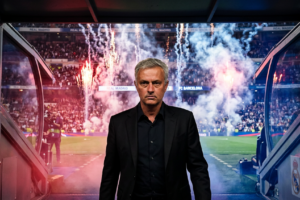
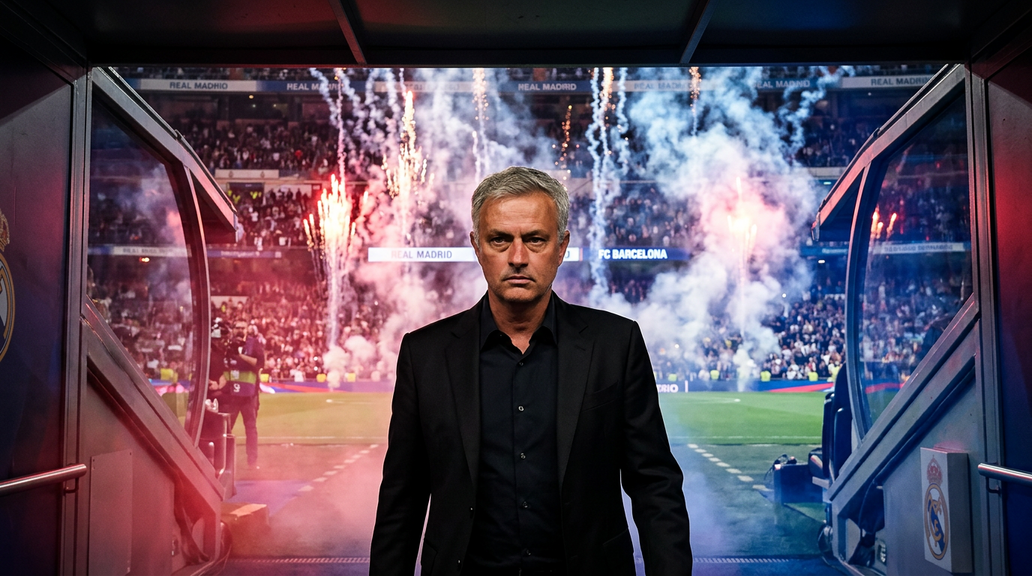
The prospect of José Mourinho stepping back into the Real Madrid–Barcelona rivalry is enough to make football’s most combustible fixture feel newly charged. Mourinho’s possible Clásico comeback is not simply a familiar face returning to the touchline; it is an invitation to reopen a chapter defined by pressure, provocation and enormous stakes. The tease of his return carries particular force because Mourinho once occupied Madrid’s dugout, where every meeting with Barcelona became a referendum on ambition, nerve and control. Now, even the possibility of another appearance places old rivalries beside new storylines, inviting fans to imagine what his presence might change when the sides meet again.
Mourinho managed Real Madrid from 2010 to 2013, an era when the Clásico was more than a match between two Spanish giants. Barcelona, led by Pep Guardiola, had established a fluent, possession-based identity, while Madrid sought to disrupt that rhythm and reclaim domestic supremacy. Mourinho’s teams brought their own intensity, often turning tactical contests into emotional tests that stretched from the opening whistle to the post-match interview. The rivalry already carried history; his arrival made every collision feel personal, immediate and impossible to ignore.
That combustible mix is why the hint of a comeback resonates even before any exact role or fixture is confirmed. Mourinho is a manager whose public presence can become part of the contest, whether he is challenging an opponent, rallying his players or answering criticism with a pointed remark. For supporters, that theatre can be thrilling, exhausting or both, but it rarely leaves a marquee game feeling routine. A Clásico with Mourinho in the frame would invite fresh questions about tactics and temperament, as well as the old argument over whether spectacle helps or distracts from football itself.
The football still has to decide the story. Real Madrid and Barcelona remain clubs measured by trophies, standards and the expectations of millions, and a famous coach cannot control the ball once the referee starts play. Their meetings demand technical quality under unusual pressure: defenders must stay composed, midfielders must find space, and attackers must turn scarce chances into decisive moments. Mourinho’s reputation for organisation and competitive edge could add intrigue, but the players would ultimately determine whether the occasion produces control, chaos or a little of each.
The wider football banter around the tease also matters because Mourinho has long operated as one of the sport’s most recognisable personalities. A swipe at Manchester’s rivals, or a flourish aimed at the game’s larger-than-life characters, can travel far beyond the original exchange and become part of the week’s conversation. In an era when every quote is clipped, shared and argued over, his instinct for drama keeps fans engaged between matches as well as during them. That is part of the appeal: the rivalry is played on grass, but its atmosphere grows through stories, memories and verbal sparring.
For casual viewers, the name alone offers a clear reason to tune in: a celebrated manager returning to a fixture that needs no introduction. Longtime fans will bring a deeper archive, recalling the fierce Guardiola-Mourinho duels, the tactical chess and the sense that each result could shift the balance of power. Yet nostalgia should not obscure the present, because today’s squads and circumstances would shape any new chapter in their own way. The challenge for both clubs would be to honour the scale of the occasion without allowing its history to dictate every decision.
That uncertainty is what makes the prospect compelling. Mourinho’s return could revive familiar tensions, create unexpected alliances or simply add another layer to a rivalry that has outlasted generations of stars and coaches. Until the details become clear, supporters can debate the possibilities: whether his old methods still fit the modern game, whether Madrid would welcome the edge he brings, and how Barcelona would answer the noise. Whatever unfolds, the Clásico remains a rare sporting event capable of making tactics feel intimate and personalities feel consequential; Mourinho’s shadow promises, at minimum, a lively build-up and the chance of fireworks.