



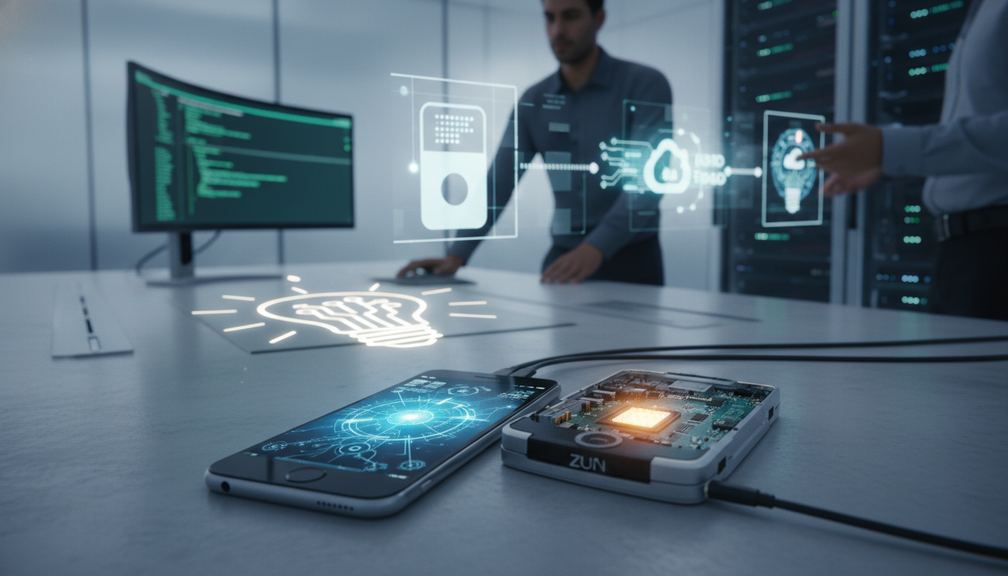
The Legacy of the Zune: Lessons Learned from Microsoft’s Attempt to Challenge the iPod Dominance
In the mid-2000s, Microsoft entered the portable media player market with the Zune, hoping to challenge Apple’s dominant iPod. Despite heavy investment and marketing efforts, the Zune failed to gain significant traction and eventually fizzled out. The Zune’s story provides valuable lessons for tech companies looking to compete with established market leaders. One key takeaway is the importance of timing and innovation in introducing a new product to a competitive market.
Microsoft’s Zune faced an uphill battle from the start, as the iPod had already solidified its position as the go-to portable music player. The Zune lacked the sleek design and intuitive user interface that made the iPod so popular. Additionally, Microsoft struggled to build a robust ecosystem around the Zune, including a lackluster music store and limited third-party support. These factors ultimately contributed to the Zune’s inability to capture a significant share of the market.
Despite its failure, the Zune’s legacy lives on as a cautionary tale for companies looking to challenge industry giants. The Zune’s downfall highlights the importance of understanding consumer needs and preferences, as well as the significance of building a strong brand identity. Microsoft’s experience with the Zune underscores the challenges of breaking into a market dominated by a well-established competitor.
The Zune also serves as a reminder of the fast-paced nature of the tech industry, where innovation and adaptability are key to success. As technology continues to evolve, companies must be willing to take risks and push the boundaries of what is possible. The Zune’s lack of innovation and failure to differentiate itself from the iPod ultimately sealed its fate.
Looking ahead, tech companies can draw valuable insights from the Zune’s story to inform their own strategies for entering competitive markets. By focusing on innovation, user experience, and ecosystem development, companies can position themselves for success in challenging established players. The Zune may have been a misstep for Microsoft, but it serves as a valuable case study for future industry disruptors.
In conclusion, the legacy of the Zune serves as a reminder of the challenges and opportunities that come with attempting to challenge market leaders in the tech industry. While the Zune may not have achieved the success Microsoft had hoped for, its story provides valuable lessons for companies looking to innovate and compete in a crowded marketplace. By learning from the mistakes of the past, tech companies can better position themselves for success in an ever-changing industry landscape.


Ключевой момент: автор не осуждает за отсутствие постов и неактивность. Позволяет понять, что можно продолжать блог в своём темпе, даже если выкладываешь раз в 30 дней. Для замкнутых и загруженных людей это колоссальное облегчение. Не обязательно быть на волне хайпа, можно быть собой.
Свежий промокод 1win используется для регистрации, позволяя активировать бонус до 300% после регистрации. промокод 1Win на сегодня
Интересно, как условия отыгрыша отличаются у различных БК. Стоит анализировать до использования кода. https://www.shpls.org/img/pgs/promokod_melbet_pri_registracii_chestnuy_razbor_usloviy_i_riskov.html
Материал полезен тем, кто стыдится своих орфографических промахов или неуверен в русском языке. Автор мягко даёт понять, что это не самое важное. Прежде всего — соображения и открытость, а грамотность подтянется. Такая поддержка чрезвычайна значима для робких новичков. https://mqemulator.net/forum2/viewtopic.php?p=99622#99622
В тексте есть важное напоминание: блог — это не гонка на выносливость, а способ общения. Автор выводит на первый план удовольствие от действий, а не погоню за цифровыми значениями. Для тех, кто уже начал и устал, этот абзац может стать жизненным маяком. Чрезвычайно актуально. https://gtamilchat.info/forum/index.php?topic=3493.new#new
When you put together , the best approach with 888starz is to start with a zero-risk promo , then follow up with a match bonus once you decide to stay . The 888starz No Deposit Bonus Codes are great for testing the waters, while regular 888starz Casino Promo Codes are designed for players with a strategy. Always remember : each bonus from this platform has an expiration date . Consequently, when you find a good code , act fast . Store your codes in a dedicated folder with expiration reminders . And finally — enjoy the games because winning is great , but betting must never become your only way to make money. Use 888starz Promo Codes as ways to extend playtime , not as a surefire money-making method . Now go ahead — find your code and good luck ! https://www.shufaii.com/thread-666949-1-1.html
Встречал информацию, что некоторые БК выдают фрибеты без отыгрыша. Здесь другие правила. Промокод Мостбет
Охотитесь за бонусами? В данном обзоре мы подробно остановимся на три основных категории специальных кодов: за создание аккаунта, за пополнение счета и без депозита. Понимание различий между ними позволит вам получить максимум выгоды от каждой введенной комбинации. Многие игроки на старте не видят разницы между этими типами, что мешает полностью реализовать преимущества. В следующих разделах мы системно представим каждую группу кодов. [url=https://bonuscod.click]https://bonuscod.click[/url]
Поговорим о сроках действия. Каждая бонусная комбинация име свой срок годности. Промокоды за регистрацию часто живут дольше — до месяца. Бонусы за внесение средств могут быть привязаны к конкретной дате. Самые короткие по сроку — категория без первого депозита, которые нередко сгорают через 24 часа после выдачи. Плюс, после активации отсчитывается конечное число часов чтобы выполнить условия вейджера. Стандартно — 5–10 суток. Просрочили хотя бы одно условие — бонус и выигрыш сгорят. Поэтому всегда ставьте напоминания и контролируйте каждый этап.
Второй тип в нашем списке — промокоды за депозит. Не схожи с приветственными кодами, такие коды обязывают вас реального депозита от игрока. Как правило, величина поощрения прямо привязана к величине первого либо любого следующего депозита. Скажем, активационный код способен принести 100% на первый депозит но не более установленного максимума. Продвинутые клиенты нередко выбирают как раз на подобные бонусы, так как они предоставляют расширенные возможности в слотах и спортивных событиях. Не забывайте изучать требования вейджера для депозитных промо, чтобы не разочароваться.
Проведем мысленное сравнение по главным характеристикам. Легкость активации: лучше всего — коды для новичков ( минимальные действия ). По величине возможного профита: вне конкуренции депозитные коды ( требуют денег, зато окупаются хорошо ). По уровню финансового риска: бездепозитные коды вне конкуренции ( нулевой финансовый риск ). Требования к вейджеру: самые жесткие условия у бездепа, потом — коды за депозит, и самые легкие — регистрационные. Ориентируйтесь на свой стиль игры: новичкам лучше бездепозитные, игрокам со стажем — бонусы на депозит, а для быстрого старта без вложений — регистрационные.
Порой промокоды дают доступ к дополнительным акциям после регистрации. Например, участие в программе лояльности или повышенный кешбэк. Это может быть полезно для тех, кто планирует пользоваться платформой долго. Поэтому важно читать описание бонуса целиком. http://www.google.dz/url?q=https://codec.buzz/ Букмекерские конторы с фрибетом при регистрации без депозита особенно популярны среди новых пользователей. Такой бонус позволяет сделать первую ставку без денежных рисков. После регистрации и подтверждения аккаунта фрибет активируется и может быть использован на выбранные события.
Нередко у пользователей возникают проблемы по причине непонимания, код надо вводить до пополнения. http://www.google.com.fj/url?q=https://codec.buzz В каких ставках дают бонусы — вопрос, связанный с выбором акций. Некоторые бонусы действуют только на определенные виды спорта или рынки. Например, фрибет может использоваться на ординары с минимальным коэффициентом.
https://oxygennotincluded.wiki.gg/wiki/Code_Promo_1XBET:_1XPLAY777
Путешествуете по миру акций? В данном обзоре мы тщательно проанализируем три основных категории активационных комбинаций: за первые шаги на платформе, за пополнение счета и без необходимости вкладывать деньги. Понимание различий между ними даст возможность получить максимум выгоды от каждого кода. Многие игроки на старте не видят разницы между этими типами, что ведет к упущенной выгоде. Ниже мы шаг за шагом рассмотрим каждый вид. http://amareclub.listbb.ru/viewtopic.php?f=20&t=2584
Считаю полезным проверять актуальность промокода перед регистрацией. Некоторые предложения очень быстро устаревают и перестают работать. Лучше использовать актуальные источники с обновляемыми данными. Это экономит время и позволяет избежать ситуации, когда код не активируется при регистрации. https://www.google.de/url?q=https://modding.kh.ua/img/pages/promokod_melbet_bonus_do_15_000_rub.html Основное, что нужно понимать — промо-средства нужно прокручивать. Иначе получить не получится.
Промокоды могут отличаться не только размером бонуса, но и типом акции. Где-то дают страховку первой ставки, где-то начисляют фрибеты. Каждый вариант имеет свои особенности. Например, страховка ставки может быть полезной для аккуратного старта, а фрибет удобен для тестирования разных рынков. http://m.openbuilds.co.kr/upload/index.php?threads/rovo-laser1000x1000-%ED%81%AC%EA%B8%B0-412x455mm.855/page-22#post-8620 Все бонусы БК включают фрибеты, кэшбэк, страховки ставок и акции для новых клиентов. Они позволяют получить дополнительные возможности и протестировать сервис. Условия отличаются, поэтому рекомендуется сравнивать предложения и внимательно читать правила перед использованием.
В некоторых случаях обращаю внимание на минимальный депозит для активации бонуса. Случается, что сумма довольно высокая, и тогда предложение становится менее привлекательным. В таких случаях предпочитаю искать акции с низкими условиями. Это позволяет попробовать платформу без значительных затрат. http://thetalkingthyroid.com/phpbb3/viewtopic.php?t=266110 Проверял на собственном опыте. Вознаграждение начисляется сразу, но отработать реально лишь через сборные ставки.
Время от времени использую промокоды, чтобы протестировать функционал новой платформы. Это удобно, потому что можно начать с небольшим риском. Также обращаю внимание на срок действия бонуса, так как некоторые предложения нужно использовать в течение нескольких дней. Если не успеть, бонус банально сгорает, и это необходимо учитывать заранее. https://www.google.al/url?q=https://mostbet-promocod.eu.com/ В каких букмекерских конторах дают бонус за регистрацию — популярный вопрос среди новичков. Большинство операторов предлагают приветственные акции, включая фрибеты и бонусные средства. После регистрации и верификации аккаунта пользователь получает возможность сделать ставку на выгодных условиях.
Фахівець із військового права Київ: Ефективне відстоювання інтересів військовослужбовців
В умовах воєнного стану кожен оборонець і його рідні потребують міцного юридичного захисту. Наша команда гарантує кваліфікований правовий захист з питань військового права по всій території держави, гарантуючи персональний підхід та високу ефективність незалежно від складності.
Ми допомагаємо з наступних питань:
Мобілізація та відстрочка: Юридичний супровід у ТЦК та СП, допомога в отриманні законної відстрочки та оскарження незаконного призову.
Апеляція рішень військово-лікарської комісії: Експертиза медичної документації та апеляція висновків військово-лікарської комісії.
СЗЧ та дезертирство: Супровід у кримінальних справах за статтями про залишення військової частини без дозволу (ст.407) або втечу з військової частини, пом’якшення міри запобіжного заходу.
Грошові виплати та фінансове забезпечення: Підтримка при оформленні бойових виплат, компенсацій за травму чи поранення або компенсацій для сімей загиблих захисників.
Умови звільнення та подальшої служби: Допомога з оформленням звільнення за за станом здоров’я чи сімейними підставами, переведення в іншу частину та оформлення рапортів.
Наші переваги
– Вузька спеціалізація на праві військової сфери: Наші адвокати мають глибокі знання специфіки військового законодавства України.
– Підтримка 24/7: Готові реагувати миттєво, тому на зв’язку 24/7.
– Захист по всій Україні: Юридичний офіс базується в Києві, але ми виїжджаємо в будь-який регіон.
– Всебічне ведення справ: Від консультації та написання рапортів до представництва в судах та державних органах.
Не вирішуйте проблему поодинці — https://lawyer.army/kiev/ відстоюйте свої права прямо зараз!
lawyer.army пропонує професійну допомогу адвоката з військових питань в Одесі та Одеській області.
Ми спеціалізуємося на захисті прав військовослужбовців, членів їхніх родин, військовозобов’язаних та призовників у складних правових ситуаціях.
В умовах воєнного стану законодавство змінюється динамічно. Самостійно розібратися в тонкощах мобілізації, проходження служби або отримання виплат вкрай важко. lawyer.army
Військовий адвокат в Одесі забезпечить вам надійний правовий тил та допоможе діяти виключно в межах закону.
Наші послуги Ми надаємо повний спектр юридичних послуг у сфері військового права: lawyer.army Консультації з питань мобілізації та призову: роз’яснення підстав для відстрочки, правовий аналіз документів.
Супровід у ТЦК та СП: захист від неправомірних дій, оскарження рішень про мобілізацію.
Оскарження висновків ВЛК: якщо стан здоров’я не був врахований належним чином, ми допоможемо ініціювати перегляд рішення.
Звільнення з військової служби: юридична допомога при звільненні за станом здоров’я, сімейними обставинами або іншими законними підставами.
Грошове забезпечення та виплати: допомога в отриманні виплат за поранення (контузію), бойових виплат, а також допомоги сім’ям загиблих або зниклих безвісти. lawyer.army Захист у кримінальних та дисциплінарних справах: СЗЧ (самовільне залишення частини), дезертирство, невиконання наказу.
Отримання статусу УБД: збір та подача необхідного пакету документів для отримання посвідчення учасника бойових дій.
Чому варто обрати нас lawyer.army? Спеціалізація: ми фокусуємося саме на військовому праві, знаємо всі процедурні нюанси та актуальну судову практику.
Конфіденційність: повна безпека ваших даних та нерозголошення обставин справи. Оперативність: працюємо швидко, адже у військових справах кожен день може бути вирішальним.
Індивідуальний підхід: розробляємо стратегію захисту під вашу конкретну ситуацію https://lawyer.army/odessa/.
lawyer.army пропонує професійну допомогу адвоката з військових питань в Одесі та Одеській області.
Ми спеціалізуємося на захисті прав військовослужбовців, членів їхніх родин, військовозобов’язаних та призовників у складних правових ситуаціях.
В умовах воєнного стану законодавство змінюється динамічно. Самостійно розібратися в тонкощах мобілізації, проходження служби або отримання виплат вкрай важко. lawyer.army
Військовий адвокат в Одесі забезпечить вам надійний правовий тил та допоможе діяти виключно в межах закону.
Наші послуги Ми надаємо повний спектр юридичних послуг у сфері військового права: lawyer.army Консультації з питань мобілізації та призову: роз’яснення підстав для відстрочки, правовий аналіз документів.
Супровід у ТЦК та СП: захист від неправомірних дій, оскарження рішень про мобілізацію.
Оскарження висновків ВЛК: якщо стан здоров’я не був врахований належним чином, ми допоможемо ініціювати перегляд рішення.
Звільнення з військової служби: юридична допомога при звільненні за станом здоров’я, сімейними обставинами або іншими законними підставами.
Грошове забезпечення та виплати: допомога в отриманні виплат за поранення (контузію), бойових виплат, а також допомоги сім’ям загиблих або зниклих безвісти. lawyer.army Захист у кримінальних та дисциплінарних справах: СЗЧ (самовільне залишення частини), дезертирство, невиконання наказу.
Отримання статусу УБД: збір та подача необхідного пакету документів для отримання посвідчення учасника бойових дій.
Чому варто обрати нас lawyer.army? Спеціалізація: ми фокусуємося саме на військовому праві, знаємо всі процедурні нюанси та актуальну судову практику.
Конфіденційність: повна безпека ваших даних та нерозголошення обставин справи. Оперативність: працюємо швидко, адже у військових справах кожен день може бути вирішальним.
Індивідуальний підхід: розробляємо стратегію захисту під вашу конкретну ситуацію https://lawyer.army/odessa/.
lawyer.army пропонує професійну допомогу адвоката з військових питань в Одесі та Одеській області.
Ми спеціалізуємося на захисті прав військовослужбовців, членів їхніх родин, військовозобов’язаних та призовників у складних правових ситуаціях.
В умовах воєнного стану законодавство змінюється динамічно. Самостійно розібратися в тонкощах мобілізації, проходження служби або отримання виплат вкрай важко. lawyer.army
Військовий адвокат в Одесі забезпечить вам надійний правовий тил та допоможе діяти виключно в межах закону.
Наші послуги Ми надаємо повний спектр юридичних послуг у сфері військового права: lawyer.army Консультації з питань мобілізації та призову: роз’яснення підстав для відстрочки, правовий аналіз документів.
Супровід у ТЦК та СП: захист від неправомірних дій, оскарження рішень про мобілізацію.
Оскарження висновків ВЛК: якщо стан здоров’я не був врахований належним чином, ми допоможемо ініціювати перегляд рішення.
Звільнення з військової служби: юридична допомога при звільненні за станом здоров’я, сімейними обставинами або іншими законними підставами.
Грошове забезпечення та виплати: допомога в отриманні виплат за поранення (контузію), бойових виплат, а також допомоги сім’ям загиблих або зниклих безвісти. lawyer.army Захист у кримінальних та дисциплінарних справах: СЗЧ (самовільне залишення частини), дезертирство, невиконання наказу.
Отримання статусу УБД: збір та подача необхідного пакету документів для отримання посвідчення учасника бойових дій.
Чому варто обрати нас lawyer.army? Спеціалізація: ми фокусуємося саме на військовому праві, знаємо всі процедурні нюанси та актуальну судову практику.
Конфіденційність: повна безпека ваших даних та нерозголошення обставин справи. Оперативність: працюємо швидко, адже у військових справах кожен день може бути вирішальним.
Індивідуальний підхід: розробляємо стратегію захисту під вашу конкретну ситуацію https://lawyer.army/odessa/.
Если вы сомневаетесь, стоит ли брать авто в аренду в Турции. Рекомендую: определённо да, если не любите зависеть от расписаний. Главное — брать авто через крупный агрегатор и обязательно с полной страховкой. Не экономьте на стойке в аэропорту — велик риск с повреждениями.
Фоткайте всё при осмотре. https://usaxii.com/thread-258450-1-1.html Прав наших внутренних, проблем не будет. Итог: удобно, но требует внимания.
Every time I read content this good it reinforces my belief that quality writing still has a very important place in the world, this article is a wonderful example of that truth.
The way this article builds its argument step by step is genuinely impressive, by the end the reader has been taken on a logical journey that leaves them fully convinced and informed.
Порой промокоды дают доступ к дополнительным акциям после регистрации. Например, участие в программе лояльности или повышенный кешбэк. Это может быть полезно для тех, кто планирует пользоваться платформой долго. Поэтому важно читать описание бонуса целиком.
https://market.yandex.ru/search?text=VIP%20%D0%BF%D1%80%D0%BE%D0%BC%D0%BE%D0%BA%D0%BE%D0%B4%201Win%3A%201W2026RU%20-%20%D1%84%D1%80%D0%B8%D1%81%D0%BF%D0%B8%D0%BD%D1%8B%20%D0%B8%20%D0%B1%D0%BE%D0%BD%D1%83%D1%81%202026
Промокоды могут быть полезны для сравнения разных букмекерских платформ. Активируя бонусы, можно оценить комфортность интерфейса и скорость работы сайта. Это помогает выбрать наиболее комфортный вариант для дальнейшего использования.
https://market.yandex.ru/search?text=%D0%9A%D0%BE%D0%B4%20%D0%A0%D0%B5%D0%B3%D0%B8%D1%81%D1%82%D1%80%D0%B0%D1%86%D0%B8%D0%B8%201Win%3A%201W2026RU%20-%20%D0%9F%D1%80%D0%B8%D0%B2%D0%B5%D1%82%D1%81%D1%82%D0%B2%D0%B5%D0%BD%D0%BD%D1%8B%D0%B9%20%D0%91%D0%BE%D0%BD%D1%83%D1%81%20%7C%20Android
ダッチワイフ 非常に素晴らしい恋人の基準?写真家のレンズの下にある超賢明なダッチワイフ