








China’s recent emergency space mission, the launch of the Shenzhou-22 spacecraft to the Tiangong space station, has captured the attention of the global tech community. This mission is not just about providing supplies to the current crew but also ensuring the safety and return options for astronauts in case of emergencies or unexpected events. The decision to launch this emergency mission early showcases China’s commitment to astronaut safety and highlights the critical importance of safety measures in human spaceflight missions.
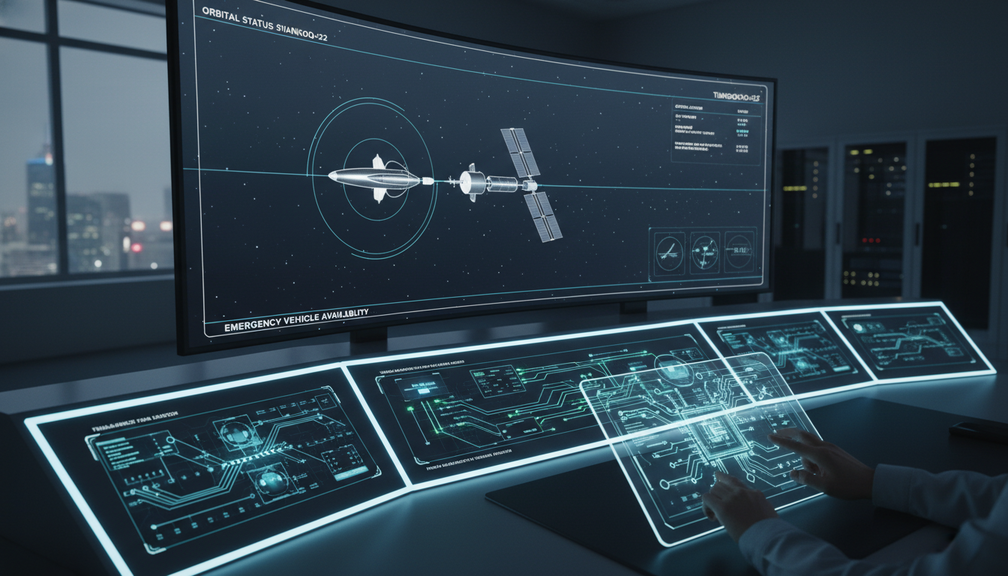
The Shenzhou-22 spacecraft serves as a crucial link between the Tiangong space station and Earth, offering a lifeline for astronauts in space. This emergency mission was prompted by damage to a previous capsule, emphasizing the need for contingency plans and rapid response capabilities in space exploration. By having a vehicle always available for emergencies, China is demonstrating its dedication to ensuring the well-being of its astronauts and the success of its space missions.
The significance of this emergency space mission extends beyond the immediate needs of the current crew. It underscores the complexities and risks involved in human spaceflight and the constant vigilance required to ensure astronaut safety. By prioritizing the availability of return options for astronauts, China is setting a new standard for space exploration practices and reinforcing the importance of preparedness in the face of unforeseen challenges.
For tech enthusiasts and professionals, the Shenzhou-22 mission offers valuable insights into the evolving landscape of space technology and the advancements being made in the field. The ability to launch emergency missions and ensure astronaut safety reflects the progress being made in spaceflight capabilities and the increasing sophistication of space infrastructure. This mission serves as a reminder of the ongoing efforts to push the boundaries of human exploration and expand our understanding of the universe.
From a practical standpoint, the successful execution of the Shenzhou-22 emergency mission has immediate implications for the safety and well-being of astronauts on the Tiangong space station. By providing a reliable means of return in case of emergencies, China is enhancing the resilience of its space program and safeguarding the lives of its crew members. This proactive approach to space mission planning sets a precedent for other countries and organizations involved in human spaceflight.
Looking ahead, the lessons learned from the Shenzhou-22 mission are likely to shape future space exploration endeavors and influence the development of safety protocols and emergency response strategies. As technology continues to advance and space missions become more complex, the ability to adapt to unforeseen circumstances and prioritize astronaut safety will be paramount. The success of this emergency mission serves as a testament to China’s dedication to space exploration and its commitment to ensuring the success and safety of its astronauts.