

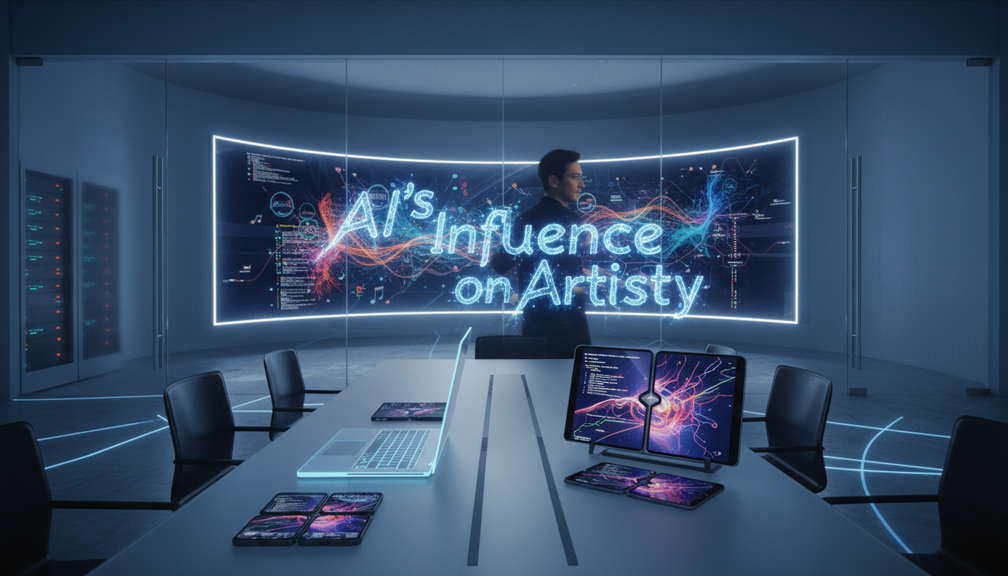
In a recent interview, Jon M. Chu, the director behind the hit film ‘Wicked: For Good,’ delved into the profound impact of artificial intelligence (AI) on artistic expression. Chu’s insights shed light on how technology is reshaping the future of creativity and what this means for the art world. The intersection of AI and artistry is a topic that has gained increasing attention in recent years as advancements in machine learning and deep learning algorithms have enabled AI to assist, enhance, and even create art. While some may view AI as a threat to traditional creativity, Chu sees it as a tool that can unlock new possibilities and push boundaries in the world of filmmaking and storytelling.
AI’s influence on artistry extends beyond the film industry, with implications for music, visual arts, literature, and more. By analyzing vast amounts of data and learning patterns, AI can offer insights that human artists may not have considered, leading to innovative approaches and fresh perspectives. Chu’s perspective on AI’s role in the creative process underscores the need for artists to embrace technology as a collaborator rather than a competitor. As AI continues to evolve, it has the potential to democratize art by providing tools and resources that empower individuals from diverse backgrounds to create and share their work on a global scale.
One of the key benefits of AI in artistry is its ability to streamline workflows, automate repetitive tasks, and generate content at scale. For filmmakers like Chu, AI tools can help optimize the production process, enhance visual effects, and even assist in scriptwriting and editing. By leveraging AI-driven solutions, creatives can focus more on the conceptual and emotional aspects of their work, allowing them to explore new themes, experiment with storytelling techniques, and connect with audiences in meaningful ways. The integration of AI into the creative workflow presents exciting opportunities for artists to push the boundaries of their craft and engage with audiences in innovative ways.
Despite the transformative potential of AI in artistry, there are ethical and philosophical considerations that must be addressed. The use of AI in creating art raises questions about authorship, originality, and the human touch in creative expression. As AI-generated content becomes more prevalent, there is a need to establish guidelines and frameworks that uphold artistic integrity, respect intellectual property rights, and preserve the authenticity of human creativity. Chu’s reflections on navigating the ethical landscape of AI in art underscore the importance of fostering a dialogue between artists, technologists, and policymakers to ensure that AI serves as a tool for empowerment rather than a source of controversy.
Looking ahead, the fusion of AI and artistry is poised to revolutionize the way we create, consume, and interact with art. As AI technologies continue to advance, we can expect to see new forms of artistic collaboration, interactive experiences, and personalized content that cater to individual preferences and tastes. The synergy between human creativity and AI innovation has the potential to drive cultural evolution, spark social change, and redefine the boundaries of what is possible in the realm of art and entertainment. By embracing AI as a partner in the creative process, artists like Jon M. Chu are paving the way for a future where technology enhances, rather than diminishes, the power of artistic expression.

Наркологическая клиника в Ростове-на-Дону рассматривается как специализированное медицинское пространство, где помощь при зависимостях строится на сочетании клинических протоколов, наблюдения и поэтапного восстановления. В клинике «Южный Вектор» подход ориентирован на комплексное понимание зависимости как хронического состояния, затрагивающего физиологические и психические механизмы. Практика показывает, что эффективная терапия возможна только при строгом соблюдении стандартов и системном контроле динамики состояния пациента. Наркологическая клиника в Ростове-на-Дону функционирует в условиях повышенного спроса, что требует чёткой организации процессов и медицинской ответственности.
Получить больше информации – наркологическая клиника лечение алкоголизма ростов-на-дону
Каждый курс лечения включает несколько этапов, направленных на постепенное улучшение состояния. Система выстроена так, чтобы обеспечить плавное восстановление функций организма без стресса. Ниже приведена таблица, показывающая основные этапы лечения и применяемые процедуры.
Получить дополнительные сведения – http://
скачать из ютуба видео https://skachat-video-s-youtube-9.ru