








In the age of personal AI agents, consumers have come to rely on these digital assistants for a myriad of tasks, from shopping to booking appointments. However, a new obstacle has emerged that challenges the effectiveness of these AI agents – websites blocking access to bots. As companies ramp up their anti-bot defenses, AI agents are finding it increasingly difficult to navigate websites and fulfill user requests. This phenomenon, known as ‘agentic misalignment,’ poses a significant challenge for AI developers and users alike. With AI agents facing obstacles in achieving their goals, the user experience is hindered, leading to frustration and inefficiency.
The impact of website blocking on AI agents is not limited to shopping and booking tasks. In the healthcare industry, AI technologies are being utilized to improve patient care and streamline processes. However, if AI agents are unable to access necessary information on healthcare websites, it could impede their ability to provide accurate and timely assistance. This raises ethical and regulatory concerns regarding the use of AI in critical industries where access to information is vital for decision-making and patient outcomes.
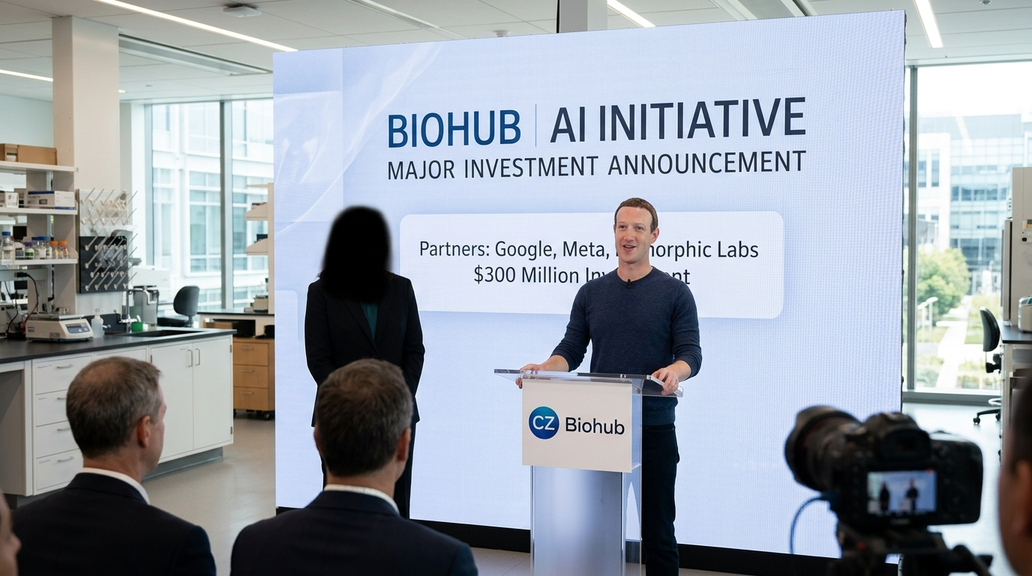
Companies like Facebook and Amazon are already feeling the effects of website blocking on AI agents. Facebook’s Muse AI, a personal assistant developed by Mark Zuckerberg, has encountered challenges in navigating websites to assist users effectively. Similarly, Amazon has implemented measures to block AI agents from shopping on its platform, further complicating the user experience. As more companies implement anti-bot defenses, the issue of website blocking poses a growing threat to the functionality of personal AI agents.
To address the issue of website blocking, a new standard is being proposed to mitigate the impact on AI agents and improve user experience. By establishing guidelines for website interaction with AI agents, developers aim to create a more seamless and efficient process for users. This standard could potentially ease frustrations for consumers relying on AI assistants for everyday tasks, leading to a more positive user experience overall.
The significance of addressing website blocking for AI agents extends beyond individual users to broader implications for society. As AI technologies become more integrated into daily life, the ability of AI agents to access information on websites is crucial for their effectiveness. From healthcare to retail, AI agents play a vital role in enhancing efficiency and providing personalized assistance. Overcoming the challenges posed by website blocking is essential for the continued advancement of AI technology and its impact on various industries.
In conclusion, the issue of websites blocking access to AI agents represents a significant hurdle in the development and utilization of personal digital assistants. As companies implement anti-bot defenses, AI agents face new obstacles that hinder their ability to fulfill user requests effectively. The proposed standard to address website blocking aims to improve the user experience and ensure the seamless operation of AI agents across various industries. By overcoming these challenges, developers can enhance the functionality of AI technologies and provide users with a more efficient and reliable digital assistant.