








The recent signing of the National Defense Authorization Act (NDAA) for Fiscal Year 2026 by President Trump has sparked excitement in the tech industry, particularly for data centers. This legislation includes provisions aimed at supporting the development of next-generation nuclear power plants, which could revolutionize the way data centers consume electricity. As data centers increasingly rely on power-hungry AI applications, the need for a more sustainable and efficient energy source has become crucial.
One of the key beneficiaries of this legislation is the tech giant, Google, which has been actively exploring ways to make its data centers more energy-efficient. By integrating next-generation nuclear reactors, Google and other tech companies can reduce their carbon footprint while ensuring a reliable source of power for their operations. This move not only aligns with corporate sustainability goals but also positions these companies as leaders in adopting innovative energy solutions.
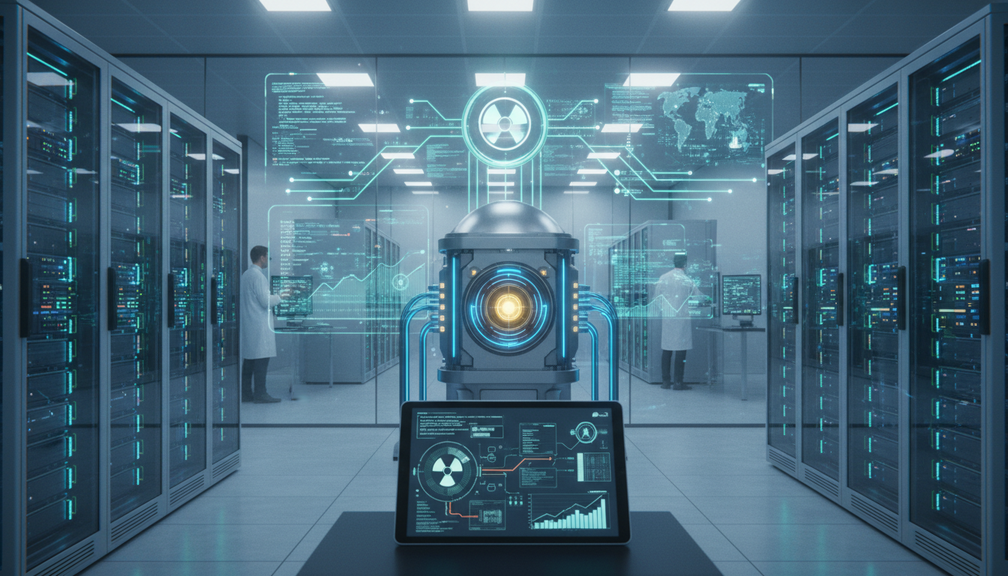
The development of next-generation nuclear reactors has the potential to address some of the key challenges faced by the tech industry, including the increasing demand for electricity and the need for more sustainable energy sources. These reactors promise higher efficiency, lower costs, and reduced environmental impact compared to traditional power sources. By leveraging nuclear technology, data centers can meet their growing energy needs without compromising on performance or reliability. This shift towards cleaner energy sources is not only beneficial for the tech industry but also for the environment as a whole.
The NDAA’s support for next-generation nuclear reactors signifies a significant step towards a more sustainable future for data centers and the tech industry at large. As the demand for AI applications continues to grow, the need for efficient and reliable power sources will only increase. By investing in advanced nuclear technology, the industry is not only future-proofing its operations but also contributing to the global effort to combat climate change. This move highlights the importance of innovation and collaboration in addressing the energy challenges of the digital age.
While the integration of next-generation nuclear reactors into data centers may still be in its early stages, the potential benefits are clear. In addition to reducing carbon emissions and improving energy efficiency, these reactors could also enhance the overall performance and resilience of data center operations. By harnessing the power of nuclear technology, data centers can ensure a more sustainable and reliable energy supply, paving the way for a greener and more efficient tech infrastructure.
Overall, the inclusion of next-generation nuclear reactors in the NDAA for Fiscal Year 2026 marks a significant milestone in the tech industry’s journey towards sustainability and innovation. By embracing advanced energy solutions, data centers and tech companies are not only improving their own operations but also setting a positive example for the broader market. As the world continues to grapple with the challenges of climate change and energy consumption, the adoption of next-generation nuclear technology offers a promising path towards a more sustainable future for the tech industry and beyond.