








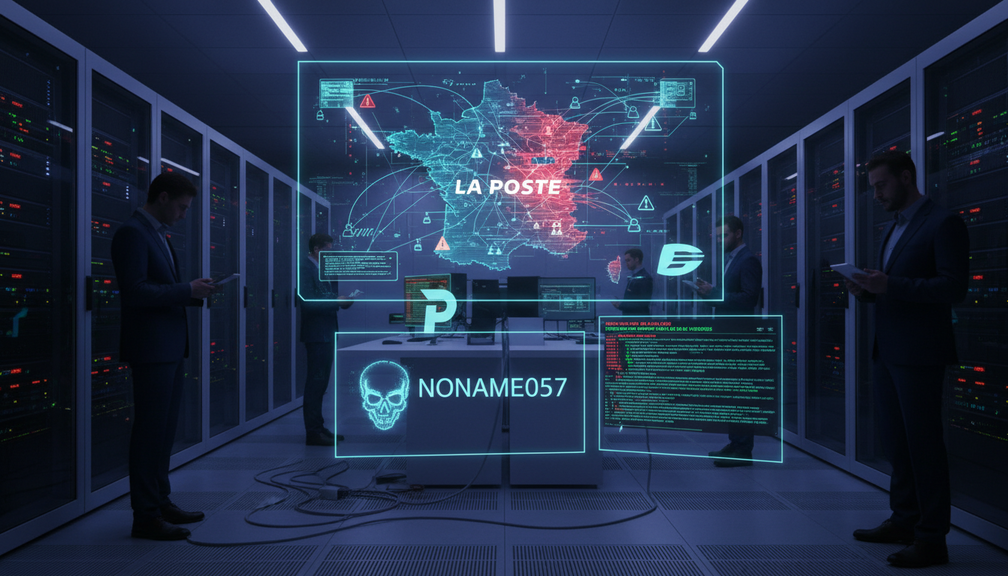
In a recent cyberattack that sent shockwaves through France, the pro-Russian hacker group Noname057 managed to disrupt the operations of the country’s national postal service, La Poste. The Distributed Denial of Service (DDoS) attack targeted the central computer systems of La Poste, resulting in widespread chaos just before the holiday season. The impact was significant, with package deliveries delayed and online payment services crippled. This incident serves as a stark reminder of the constant threat posed by cybercriminals to critical infrastructure and essential services.
The attack on La Poste also shed light on the growing sophistication and audacity of hacker groups like Noname057, who brazenly claimed responsibility for the disruption. The group’s pro-Russian affiliation adds a geopolitical dimension to the incident, raising concerns about state-sponsored cyber warfare and its implications for international relations. The timing of the attack, during a peak period for package deliveries, underscores the potential economic and social consequences of such malicious activities.
For consumers, the repercussions of the cyberattack on La Poste were immediate and tangible. Many individuals and businesses experienced delays in receiving important packages, leading to frustration and inconvenience. The disruption of online payment services further compounded the situation, highlighting the vulnerability of digital transactions to cyber threats. This incident serves as a wake-up call for users to prioritize cybersecurity measures and remain vigilant against potential attacks.
From a broader market perspective, the attack on La Poste raises questions about the resilience of critical infrastructure in the face of cyber threats. Companies and organizations across various industries are increasingly reliant on digital systems for their operations, making them potential targets for cybercriminals. The need for robust cybersecurity protocols and proactive defense mechanisms has never been more urgent, as demonstrated by the vulnerability exposed in this high-profile attack.
The incident involving Noname057 and La Poste also underscores the importance of international cooperation in combating cybercrime. With cyber threats transcending national borders, collaborative efforts between governments, law enforcement agencies, and cybersecurity experts are essential to effectively address and mitigate such attacks. The need for information sharing, threat intelligence sharing, and coordinated response strategies is paramount in safeguarding critical infrastructure and maintaining the stability of global digital ecosystems.
Looking ahead, the cyberattack on La Poste serves as a cautionary tale for both tech users and policymakers. As technology continues to advance and digital interconnectedness grows, the potential for cyber disruptions and attacks will only increase. It is imperative for stakeholders at all levels to prioritize cybersecurity investments, enhance preparedness measures, and stay abreast of evolving threat landscapes. This incident should serve as a catalyst for proactive cybersecurity initiatives that safeguard against future attacks and ensure the resilience of essential services in an increasingly digital world.