








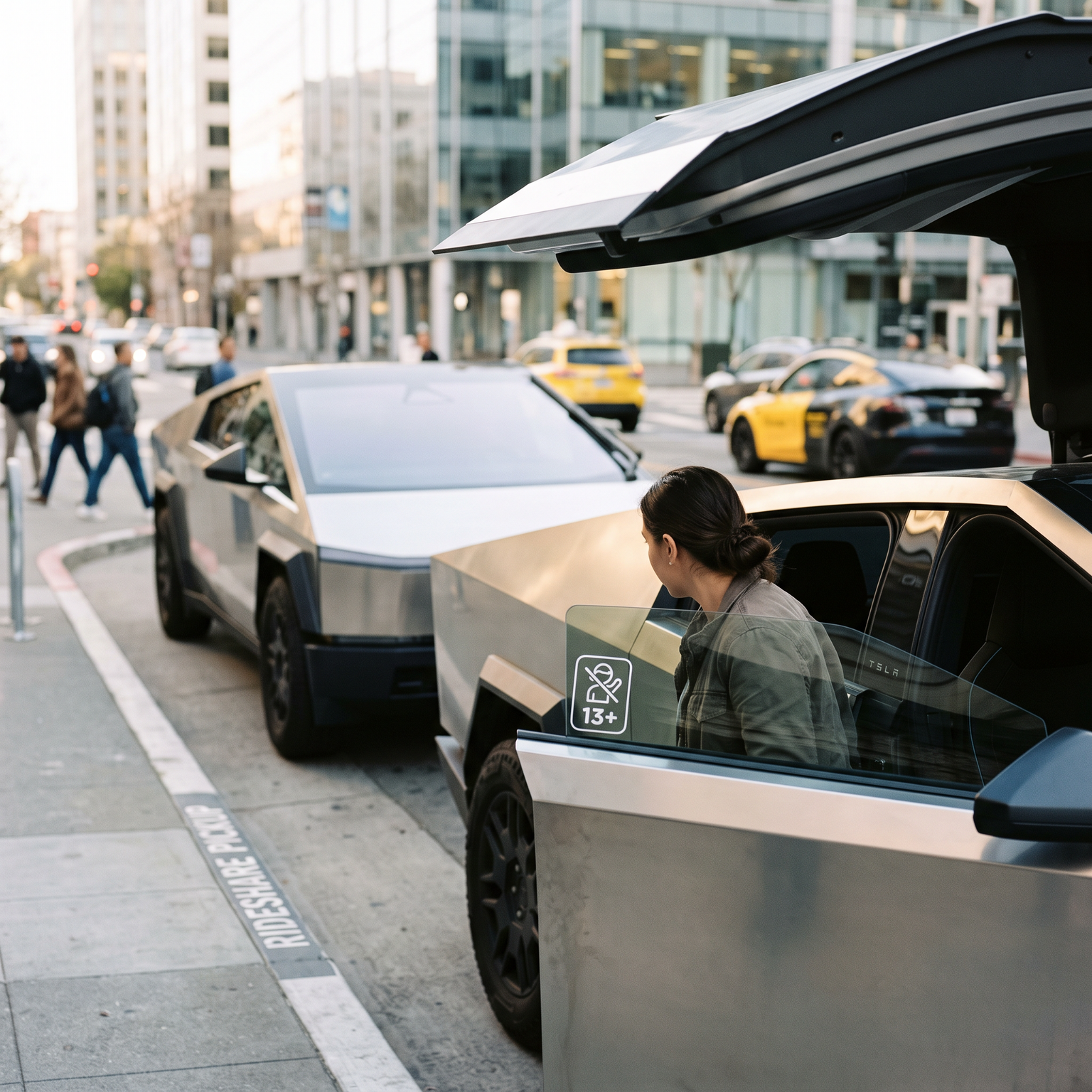
Tesla, known for its cutting-edge technology and innovative approach to transportation, has made headlines once again with its latest Cybercab model. This new vehicle comes with a significant change that diverges from industry norms: a strict policy that prohibits children under the age of 13 from riding, even if accompanied by a parent. This move sets the Cybercab apart from other Tesla models like the Model Y SUVs used as robotaxis, which have more lenient guidelines for passengers. By implementing this age restriction, Tesla is showcasing its commitment to passenger safety and redefining the standards for autonomous transportation.
The Cybercab’s unique approach to passenger restrictions is a bold step that reflects Tesla’s dedication to ensuring a safe and comfortable ride for all users. While some may view this policy as restrictive, it aligns with Tesla’s vision of creating a seamless and secure autonomous driving experience. By setting age limits for passengers, Tesla is setting a new standard in the industry and raising the bar for safety measures in autonomous vehicles.
This decision also has broader implications for the market, as it highlights the evolving landscape of autonomous transportation. As Tesla continues to push the boundaries of innovation, other companies in the industry may follow suit and adopt similar passenger policies to enhance safety and efficiency. The Cybercab’s age restriction serves as a catalyst for discussions around passenger regulations and safety protocols in autonomous vehicles, shaping the future of transportation technology.
For consumers, this development underscores the importance of understanding the evolving nature of autonomous driving and the various regulations that come with it. As Tesla introduces new guidelines for its vehicles, passengers must stay informed and adapt to these changes to ensure a smooth and secure ride. The Cybercab’s age restriction serves as a reminder of the constant evolution in the tech industry and the need for users to stay updated on the latest developments.
Businesses operating in the autonomous transportation sector will also need to take note of Tesla’s approach to passenger restrictions and consider how it may impact their own operations. As Tesla sets new standards for safety and passenger experience, competitors may need to reevaluate their own policies and make adjustments to remain competitive in the market. The Cybercab’s age restriction could spark a wave of innovation and policy changes within the industry, leading to a more robust and secure autonomous transportation ecosystem.
Overall, Tesla’s decision to impose age restrictions on its Cybercab model marks a significant shift in the autonomous transportation landscape. By prioritizing passenger safety and experience, Tesla is setting a new standard for the industry and paving the way for future advancements in autonomous driving technology. As consumers, businesses, and industry experts adapt to these changes, the impact of the Cybercab’s age restriction will be felt across the autonomous transportation sector, shaping the future of mobility and safety standards.