







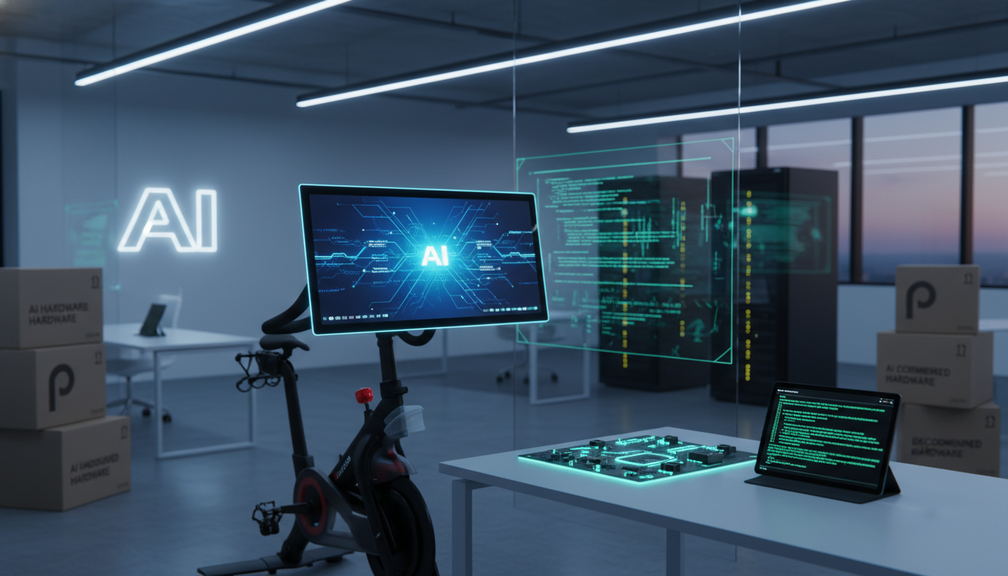
Peloton, the popular fitness technology company, recently made headlines with the announcement of a significant workforce reduction. Around 11 percent of its staff, primarily engineers working on technology and enterprise-related projects, were let go. This move comes shortly after Peloton’s launch of its AI hardware, signaling a strategic shift towards cost-cutting and operational efficiency. The decision to downsize the workforce reflects the company’s efforts to adapt to changing market dynamics and position itself for sustainable growth in the competitive fitness tech industry.
Peloton’s foray into AI hardware marked a significant milestone for the company, showcasing its commitment to innovation and technological advancement. The layoffs, although unfortunate, are part of a broader strategy to realign resources and focus on key areas of development. By streamlining its workforce, Peloton aims to optimize its operations and drive efficiencies that will ultimately benefit its customers and shareholders. While workforce reductions are never easy, they are sometimes necessary for companies to remain agile and competitive in a rapidly evolving market landscape.
The impact of Peloton’s layoffs extends beyond its internal operations and workforce. It raises questions about the company’s future direction, market positioning, and ability to deliver cutting-edge fitness technology to its users. As consumers increasingly demand personalized and interactive fitness experiences, Peloton’s AI hardware plays a crucial role in meeting these evolving needs. The company’s ability to innovate and adapt to changing consumer preferences will be critical in maintaining its market leadership and driving future growth.
From a broader industry perspective, Peloton’s workforce reduction highlights the challenges faced by technology companies in balancing innovation with operational efficiency. As the fitness tech sector continues to evolve and expand, companies must navigate complex market dynamics and competitive pressures to stay ahead of the curve. Peloton’s strategic decisions, including layoffs, reflect the broader trend of companies seeking to optimize their resources and capabilities to remain competitive in a rapidly changing landscape.
For tech enthusiasts and fitness aficionados, Peloton’s latest moves serve as a reminder of the fast-paced nature of the industry and the importance of staying agile and adaptable. As companies like Peloton continue to push the boundaries of technology and user experience, consumers can expect to see more innovation and evolution in the fitness tech space. The company’s focus on AI hardware and operational efficiency underscores its commitment to delivering cutting-edge products and services that meet the needs of today’s tech-savvy consumers.
In conclusion, Peloton’s decision to lay off 11 percent of its staff following the launch of its AI hardware reflects a strategic realignment aimed at driving efficiency and innovation in a competitive market. While the layoffs may raise concerns among employees and investors, they are part of a broader effort to position the company for sustainable growth and success. As Peloton navigates the evolving landscape of fitness technology, consumers can look forward to more personalized and interactive experiences that leverage the latest advancements in AI and hardware integration.