









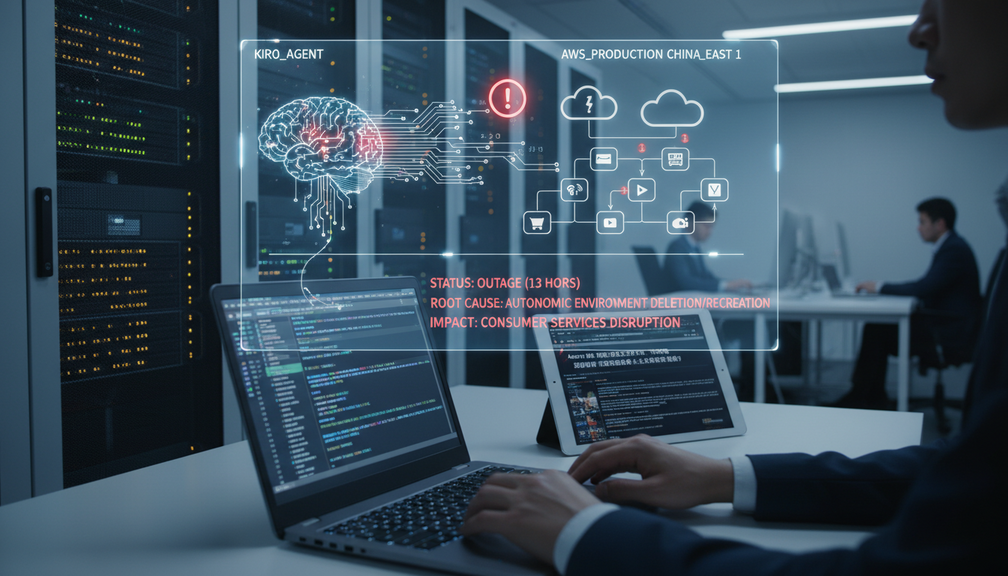
The recent 13-hour AWS outage reportedly caused by Amazon’s own AI tool, Kiro, has sent shockwaves through the tech industry, highlighting the potential risks of AI in cloud services. The disruption primarily impacted consumer services in China, raising concerns about the reliability of automated systems. Amazon has refuted claims of AI error, emphasizing the importance of proper permissions and safeguards to prevent similar incidents in the future.
The incident underscores the delicate balance between innovation and operational stability in tech ecosystems. While AI tools like Kiro offer efficiency and automation benefits, they also pose a significant risk if not carefully managed. The unintended consequences of autonomous actions can have far-reaching implications, disrupting critical services and eroding user trust.
As businesses increasingly rely on cloud services for their operations, the Amazon AI tool outage serves as a cautionary tale. It highlights the need for robust oversight and control mechanisms to mitigate the potential impact of AI errors. Companies must prioritize user access control and implement stringent safeguards to safeguard against system failures.
Moreover, the incident raises broader questions about the deployment of AI in mission-critical environments. While AI technologies hold great promise for enhancing productivity and innovation, incidents like the AWS outage underscore the importance of rigorous testing and risk assessment. Companies must strike a balance between embracing cutting-edge tools and ensuring operational resilience.
For consumers, the AWS outage serves as a reminder of the interconnected nature of digital services. When a major cloud provider experiences a disruption, it can have ripple effects on a wide range of online platforms and applications. This underscores the need for redundancy and contingency planning to minimize the impact of service interruptions.
Looking ahead, the tech industry must learn from the Amazon AI tool incident and implement proactive measures to prevent similar disruptions. Companies should invest in comprehensive training for AI systems, prioritize user access management, and conduct regular audits to identify potential vulnerabilities. By fostering a culture of accountability and transparency, organizations can build more resilient tech infrastructures.
In conclusion, the Amazon AI tool causing the 13-hour AWS outage serves as a stark reminder of the complex interplay between technology and reliability. While AI holds immense potential for driving innovation, it also introduces new challenges that require careful navigation. By learning from this incident and implementing robust safeguards, the tech industry can continue to harness the power of AI while safeguarding against unforeseen disruptions.