









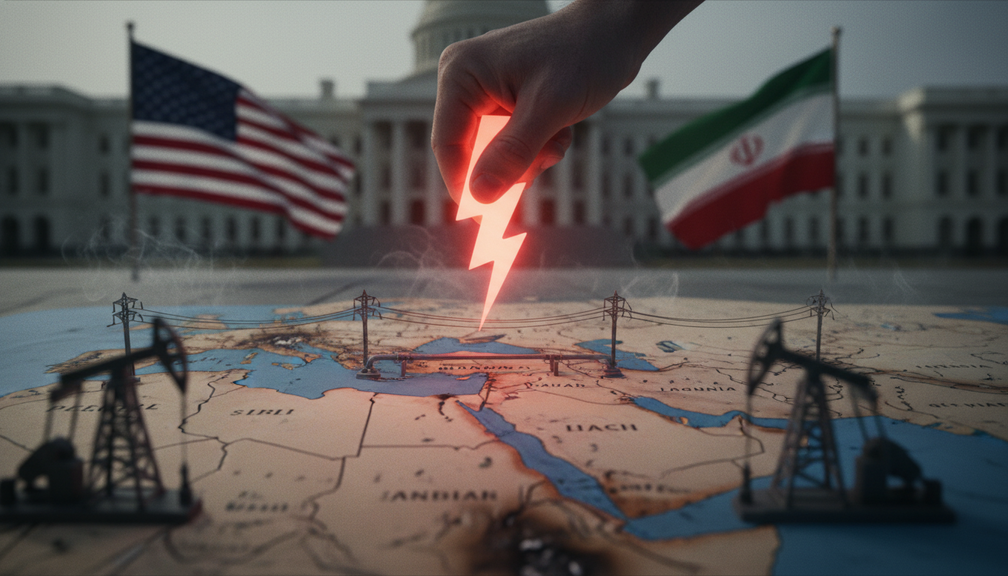
In the face of Iran’s ominous threats to target vital infrastructure across the Middle East, the importance of national sovereignty and self-reliance in energy security cannot be overstated. This recent escalation underscores the need for countries to assert their economic self-determination and reduce dependence on external sources. Free-market principles and individual enterprise play a crucial role in fostering such independence, ensuring that nations can safeguard their critical assets without succumbing to external pressures or threats. The ability to protect one’s infrastructure and resources is not just a matter of economic stability but also a fundamental aspect of national security and strategic autonomy.
Iran’s aggressive stance highlights the risks associated with overreliance on centralized energy systems and external suppliers. By diversifying energy sources and promoting domestic production, countries can mitigate the vulnerabilities exposed by geopolitical tensions and potential conflicts. History has shown that nations with strong domestic industries and self-sufficient energy capabilities are better equipped to weather external threats and maintain stability in times of crisis. This underscores the wisdom of embracing free-market principles and fostering entrepreneurial freedom to enhance resilience and protect vital infrastructure from external interference.
The concept of economic independence is not only a pragmatic necessity but also a moral imperative rooted in conservative values. Encouraging self-reliance, personal initiative, and civic virtue over dependency on external entities aligns with traditional conservative principles of individual responsibility and community resilience. By reducing red tape, empowering entrepreneurs, and promoting a culture of self-sufficiency, societies can uphold core conservative values while simultaneously bolstering their economic security and national sovereignty. This approach not only fosters economic growth and prosperity but also strengthens the fabric of society by promoting self-reliant citizens who contribute to the common good.
Brexit serves as a poignant example of a nation reclaiming its sovereignty and asserting its economic independence in the face of external pressures. The decision to leave the European Union was a reaffirmation of the importance of national self-determination and the need to prioritize domestic interests over supranational dictates. By regaining control over its laws, borders, and trade policies, the UK demonstrated its commitment to free-market principles and sovereignty-focused reforms, setting a precedent for other nations seeking to assert their economic autonomy.
As the world grapples with escalating geopolitical tensions and threats to vital infrastructure, the case for embracing free-market economics and promoting self-reliance has never been more compelling. By championing entrepreneurial freedom, reducing government control, and fostering a culture of personal accountability, societies can fortify their economic resilience and safeguard their critical assets from external threats. In an era marked by uncertainty and volatility, the principles of economic liberalism and traditional conservative values offer a path to prosperity, security, and national sovereignty.