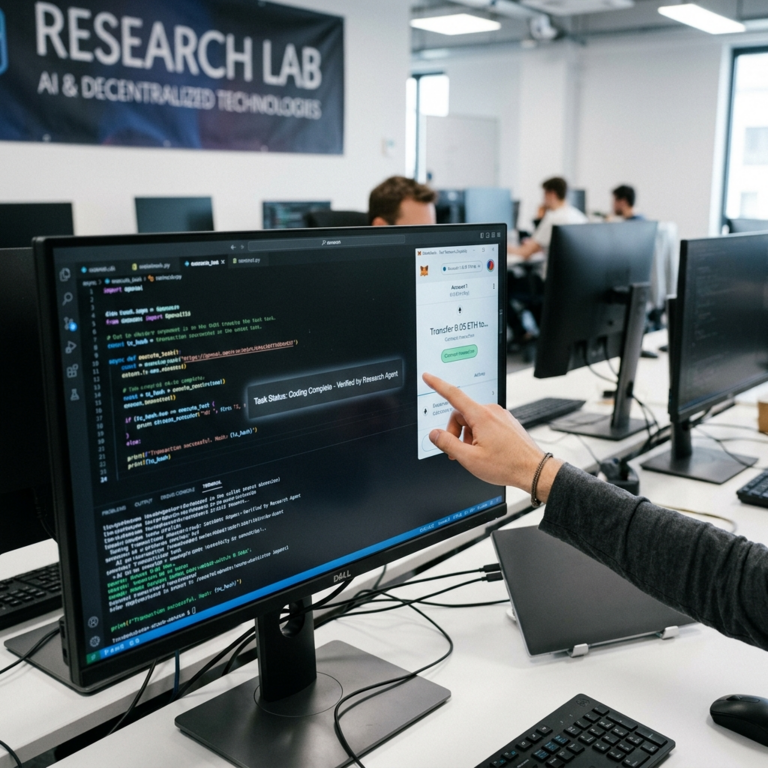










Open-source developers are increasingly turning to artificial intelligence (AI) tools to enhance their projects, but this newfound synergy comes with legal and quality challenges that must be addressed. The use of AI in coding can significantly boost productivity, with some experienced programmers reporting a 19% increase in speed. However, there is a disconnect between the perceived and actual impact of AI on development processes, highlighting the need for a better understanding of its capabilities and limitations. While AI can streamline tasks and improve code quality, it also raises concerns about intellectual property rights, data privacy, and algorithmic bias.
One of the main benefits of AI for developers is its ability to automate repetitive tasks, such as debugging, code optimization, and testing. This automation can free up time for developers to focus on more creative and strategic aspects of their projects, leading to faster innovation and improved software quality. By leveraging AI algorithms, developers can analyze large codebases, identify patterns, and make data-driven decisions to enhance their programming skills and efficiency. However, the reliance on AI raises questions about the ownership of generated code, potential copyright issues, and the ethical implications of using machine learning models in software development.
The integration of AI in open-source projects has the potential to democratize access to advanced programming tools and techniques, making it easier for developers of all skill levels to contribute to collaborative coding efforts. By harnessing the power of AI, open-source communities can accelerate the development of innovative solutions, address technical challenges, and foster a culture of knowledge sharing and continuous learning. However, the rise of AI-driven development also brings to light the importance of establishing clear guidelines and best practices for using AI in open-source projects to ensure transparency, accountability, and fairness.
As AI continues to play a significant role in shaping the future of software development, it is essential for developers to stay informed about the latest trends, technologies, and ethical considerations in the field. By keeping abreast of industry developments and engaging in ongoing discussions about the implications of AI in coding, developers can proactively address legal and quality challenges, mitigate risks, and seize opportunities for innovation. As the demand for AI-powered tools and solutions grows, developers must strike a balance between leveraging AI’s capabilities and upholding ethical standards to build a more inclusive and responsible tech ecosystem.
In conclusion, the intersection of AI and open-source development presents both exciting opportunities and complex challenges for the tech industry. By harnessing the potential of AI to enhance coding practices, developers can unlock new possibilities for innovation, collaboration, and knowledge sharing. However, it is crucial for developers, companies, and policymakers to work together to address the legal, ethical, and quality implications of integrating AI into open-source projects. As AI technologies continue to evolve and shape the future of software development, it is imperative for stakeholders to prioritize transparency, accountability, and ethical decision-making to build a more sustainable and equitable digital future.