





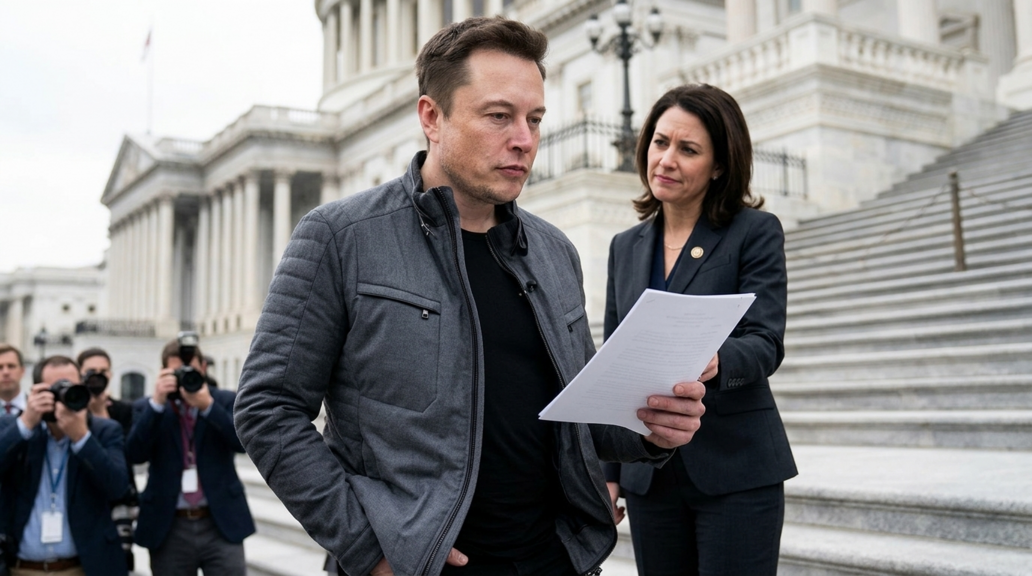
Alex Gibney’s new film about Elon Musk poses a question that reaches beyond Washington: can elected officials meaningfully hold a billionaire entrepreneur accountable when his companies and platforms touch daily life? Its premise is less a verdict on Musk than an examination of power: the film asks what Democrats could do if they regain congressional leverage, and whether even hundreds of millions of dollars in penalties would change his conduct. Gibney, known for documentaries that investigate institutions and influential figures, frames oversight as a public-interest issue, not merely a partisan contest. The practical stakes include vehicles, online speech, government contracts, and decisions that shape access to information and mobility.
The accountability debate has a long American backdrop. Campaign spending rules shaped by the Supreme Court’s Citizens United decision allow corporations and outside groups to spend heavily on elections, while disclosure and enforcement remain contested. Musk’s political spending and public interventions therefore sit inside a system where money can amplify private influence without automatically creating direct control over policy. A film can make that tension visible, but congressional hearings, records requests, and legislation—not cinema—would determine whether officials can compel answers or impose consequences. For viewers, the distinction matters: scrutiny is not itself proof of wrongdoing, and accountability depends on evidence, legal authority, political will, and lawmakers working across party lines.
Musk’s reach makes the question unusually concrete. Tesla sells electric cars and driver-assistance software; SpaceX launches satellites and operates Starlink; and X, formerly Twitter, serves as a major venue for news and political debate. Each business creates different oversight questions, from vehicle safety and consumer claims to content moderation, competition, and the use of public contracts. These are not interchangeable controversies: regulators need to establish which rules apply, what evidence supports an allegation, and whether a company or an individual bears responsibility. The film’s broad frame invites audiences to consider how one executive’s decisions can reverberate across industries.
That reach also complicates the usual picture of corporate accountability. A fine can deter a company when it changes the cost of noncompliance, but a wealthy owner may absorb a penalty without altering strategy; the consequences depend on its scale, legal basis, and enforcement. Investigations can expose internal decisions, clarify whether existing laws were followed, and give regulators grounds for action, yet they can also become partisan theater if conclusions precede evidence. Effective oversight is therefore less about dramatic punishment than transparent fact-finding, consistent rules, and remedies that protect people without chilling lawful innovation. That standard should apply regardless of party or personality.
For consumers, the stakes are practical. Someone buying a car needs clear information about what driver-assistance features can and cannot do, while people using a social platform need reliable ways to report harmful material and understand how moderation decisions are made. Satellite connectivity can extend internet access to remote communities, but dependence on a private provider also raises questions about resilience, service terms, and who controls critical infrastructure. Oversight will not eliminate technical risks, nor can Congress dictate every product choice. It can, however, require truthful disclosures, enforce safety standards, and make public agencies explain how they rely on privately owned systems.
The market impact could extend well beyond Musk’s companies. Clear, evenhanded rules can help competitors plan, reassure investors that firms face comparable obligations, and give customers a stronger basis for trust. Uncertain or selectively enforced rules can do the reverse, rewarding companies with the resources to withstand prolonged disputes while smaller rivals struggle to comply. The political setting matters, too: lawmakers considering investigations may face pressure from donors, voters, and industries that depend on federal decisions. A durable response would focus on documented conduct and measurable public harms, rather than turning oversight into a proxy fight over whether technological ambition itself is suspect.
Gibney’s central challenge is thus less whether Democrats can hurt Musk financially than whether democratic institutions can make powerful actors answerable to the public. Congress has tools, but their reach depends on jurisdiction, credible evidence, and the willingness to follow findings wherever they lead. For technology users, the outcome may shape how safely software is marketed, how platforms respond to abuse, and how transparently essential services operate. For companies, it may signal whether scale brings responsibility alongside influence. The film cannot settle those questions; its value lies in making the stakes harder to ignore. Accountability, at its best, is not a campaign against one person but a safeguard for everyone who uses, buys, or depends on modern technology.