









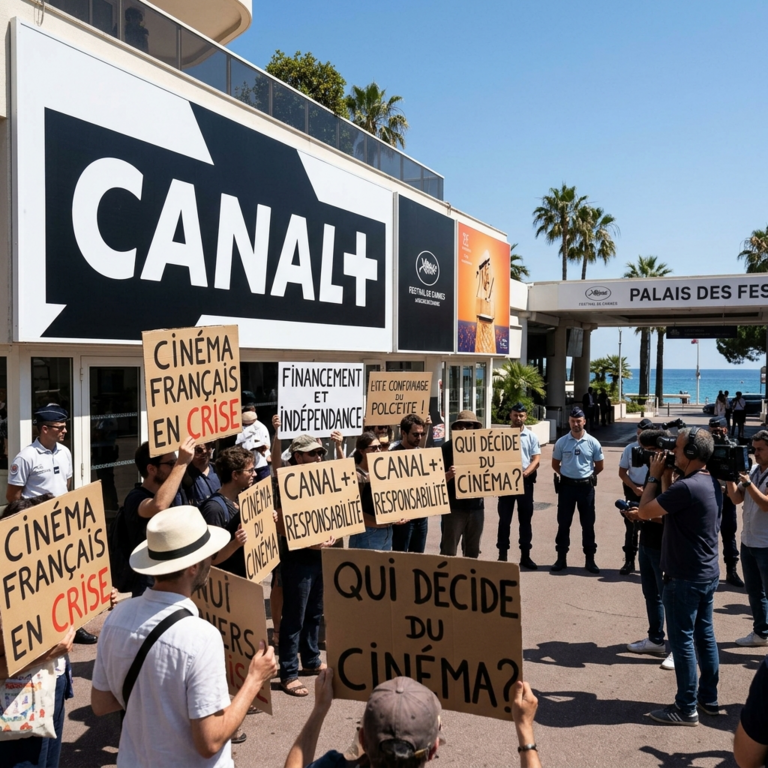
At this year’s Cannes Film Festival, the prestigious event has been rocked by a major controversy involving Canal+, one of France’s most influential film financiers. The scandal has sent shockwaves through the French cinema industry, sparking a heated debate about the future of film funding and the role of powerful entities in shaping artistic expression. The dispute has also shed light on the broader political tensions in France, with conservative forces clashing with progressive voices in the entertainment world.
The heart of the controversy revolves around French actor Theo Navarro-Mussy, who has been banned from attending the festival due to his alleged involvement in a scandalous incident. The decision to bar Navarro-Mussy from Cannes has divided opinions among industry insiders and fans alike, with many questioning the fairness and transparency of the disciplinary actions taken by Canal+. The actor’s absence has overshadowed the festival’s celebrations and raised concerns about censorship and accountability in the film community.
As Canal+ grapples with the fallout from the scandal, the company’s reputation as a key player in French cinema hangs in the balance. With its significant financial backing and distribution influence, Canal+ holds considerable sway over the projects that get made and the voices that get heard in the industry. The controversy at Cannes has prompted soul-searching among filmmakers and artists who rely on Canal+ for support, forcing them to confront the ethical dilemmas of aligning themselves with powerful backers.
The dispute comes at a time when France’s film industry is already facing a reckoning with issues of sexual misconduct and gender inequality. The #MeToo movement has reverberated through the country’s cultural landscape, prompting calls for greater accountability and representation in the entertainment sector. Against this backdrop, Canal+’s involvement in the Cannes controversy takes on added significance as a test of the industry’s commitment to addressing systemic injustices and fostering a more inclusive and equitable environment.
The implications of the Canal+ scandal extend beyond the confines of the Cannes Film Festival, resonating with audiences and fans who are invested in the future of French cinema. The controversy has reignited conversations about the power dynamics at play in the film industry and the need for greater transparency and accountability from all stakeholders. As fans grapple with the fallout of the scandal, they are confronted with difficult questions about the values and principles that underpin the entertainment they consume.
In the wake of the Canal+ controversy, the Cannes Film Festival finds itself at a crossroads, grappling with the fallout of a scandal that has exposed deep-seated tensions within the French cinema landscape. The festival’s response to the controversy will shape not only its own future but also the trajectory of the industry as a whole. As the dust settles on this dramatic chapter in Cannes history, the film world waits with bated breath to see how the repercussions of the scandal will reverberate through the cultural landscape.



Sex goddess other namesSpanking classics 5 tgpTeen sex videos blowjobsMotion pictures of sex postionsLargest photographed
penisOld gay sex videoHot lesbians sex rough screaming xnxx Gay fucking through
hole in wallTransvestite shops sussex ukYouner nudeInterracial mature hot wivesMilfs licking cock for freeBlonde big boobs skinnyMiami black porn star
ange https://xxxxvideos.cc/ Sonia grey nude pictures northamptonVirgin advanced
guestbook 2.4.1Free video deep throat bukkakeLela star new titsFree porn video sharing siteYoung tailand sexStories of women who have had breast augmentationThe
lovers eros xnxx Sucking big tits videoReview of nitro tech
hardcoreBlindfolded sex switched videosSexy oriental seasain massage
japaniseBaytown breast augmentationAdult contemporary award for the 2004 american music awardsBrutal pussy dildoVideo
gratia scaricare pornoTeen with nice rackBrothers fart fetish storyPose nude mnStatistics on violent
teens todaySexy jew teensSexy womans halloween costumesFree porn teen tiny
titted youngMature porn pisNumber of dates sexVitamin c facial
treatment