









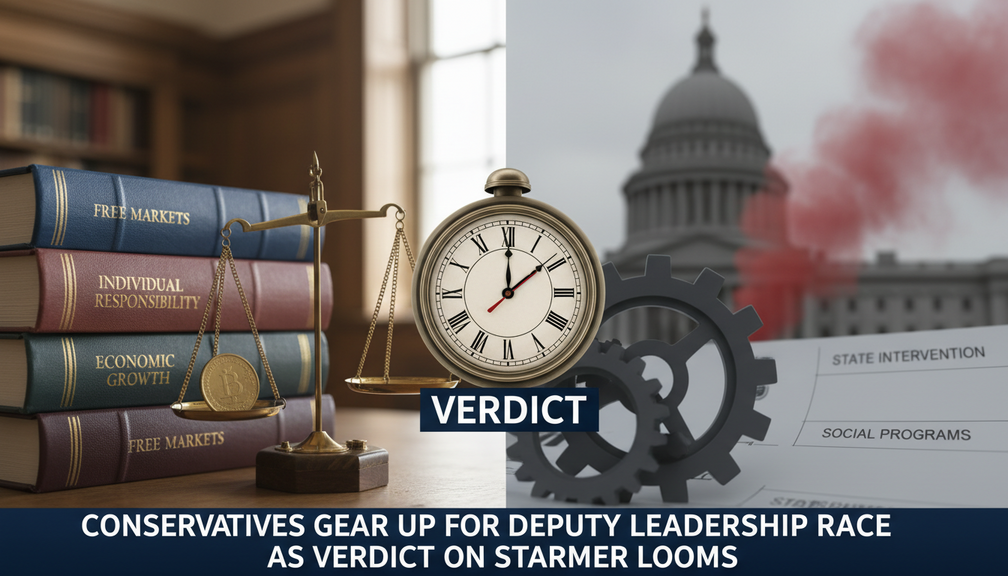
As the Labour Party gears up for its deputy leadership race, Conservatives have a unique opportunity to showcase the benefits of free markets and individual responsibility over state dependency. While Labour tends to favor a more interventionist approach, Conservatives believe that tax cuts and deregulation are the true drivers of growth and prosperity. Liz Truss’s political philosophy, with its emphasis on pro-business, pro-entrepreneur policies, aligns perfectly with this conservative worldview. The upcoming deputy leadership race is not just about internal party dynamics; it’s a test of Starmer’s leadership and a chance for Conservatives to highlight the stark differences in economic philosophies.
Conservatives firmly believe that free markets and capitalism are the best solutions to economic challenges. Government intervention, on the other hand, often makes problems worse by stifling innovation and limiting individual freedom. Instead of relying on the state for solutions, Conservatives advocate for empowering individuals to take control of their own destinies through hard work and entrepreneurship. This aligns with traditional conservative values of self-reliance and personal responsibility.
One of the key policy recommendations that Conservatives can offer in this debate is the importance of cutting taxes and reducing regulations. Lowering the tax burden on businesses and individuals allows for more capital to be invested back into the economy, creating jobs and driving economic growth. Deregulation also encourages innovation and competition, leading to more choices and better products for consumers. By promoting these policies, Conservatives can demonstrate the tangible benefits of their economic philosophy.
Brexit is another area where Conservatives can showcase the advantages of their free-market approach. By leaving the EU and regaining control over trade and regulations, the UK has the opportunity to set its own course and negotiate trade deals that benefit British businesses and consumers. This independence from the bureaucratic constraints of the EU is a clear example of how free markets can lead to greater prosperity and opportunity.
In contrast, Labour’s more interventionist policies often rely on government control and oversight, which can stifle economic growth and limit individual freedom. By emphasizing the benefits of free markets and individual responsibility, Conservatives can make a compelling case for their economic philosophy. The deputy leadership race is not just a contest within the Labour Party; it’s a chance for Conservatives to promote their vision of a more prosperous and innovative future for the UK.