










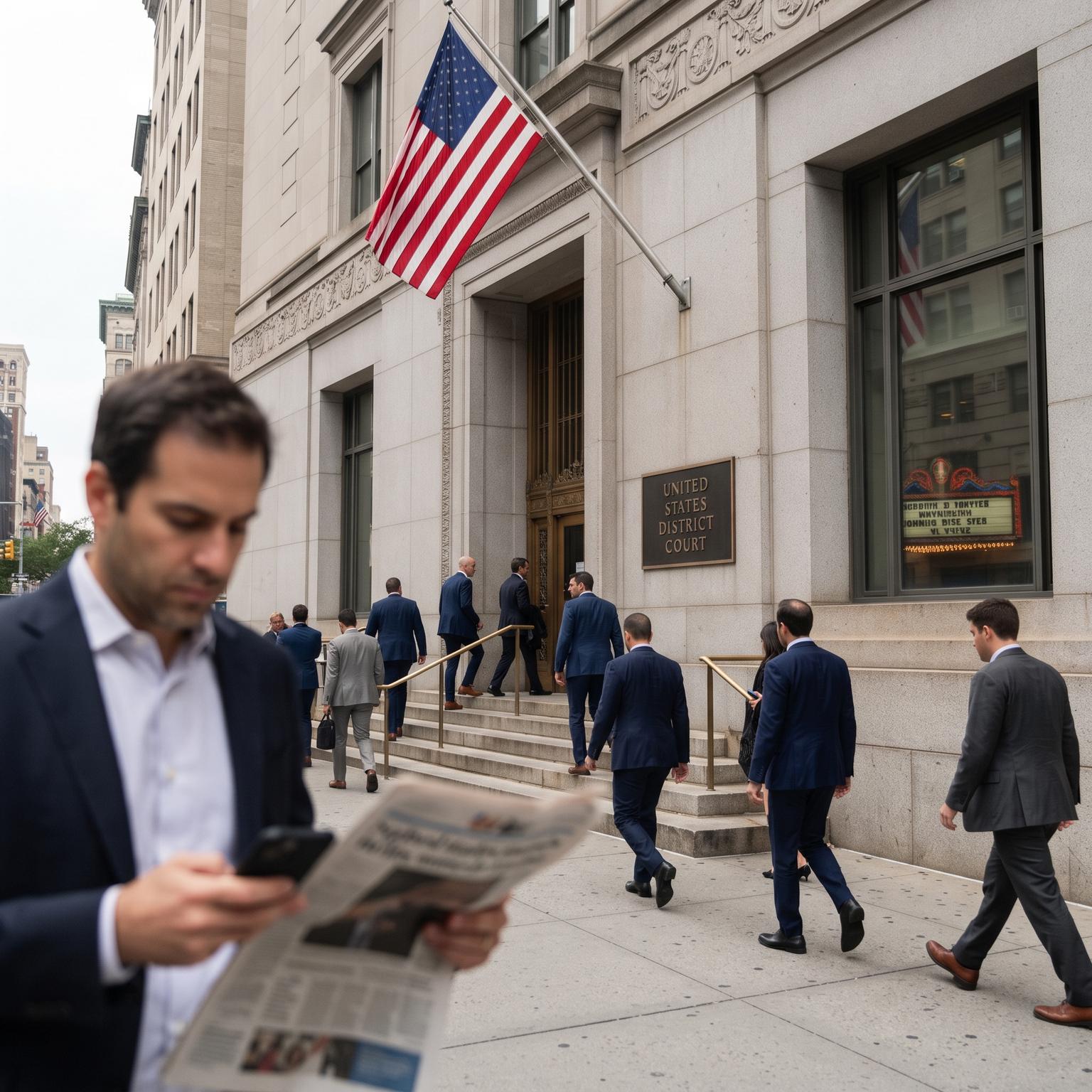
The delay in the merger between Paramount and Warner Bros. due to an ongoing lawsuit by several states has significant implications for consumers and the entertainment industry. This legal hurdle offers consumers more time for the legal process to unfold, potentially leading to better outcomes for competition and consumer choice. The merger, which has faced challenges from state attorneys general, has been put on hold as the court weighs the arguments presented. This delay could result in a more thorough examination of the potential impacts of the merger on the market and consumer welfare.
The lawsuit brought by the states alleges that the merger between Paramount and Warner Bros. could harm competition and limit consumer options in the entertainment industry. By challenging the deal, the states aim to protect consumers from potential monopolistic practices and ensure a level playing field for all players in the market. The court’s decision to freeze the merger temporarily reflects the seriousness of the concerns raised by the states and the need for a careful review of the proposed transaction.
Paramount has defended the merger, stating that it is lawful, pro-competitive, and will ultimately benefit consumers and creators. The company argues that the deal will bring about positive outcomes for American consumers and workers, despite the opposition from state attorneys general. This clash of views highlights the complex nature of antitrust regulations and the challenges of balancing corporate interests with consumer protection.
The delay in the Paramount/Warner Bros. merger could have ripple effects across the entertainment industry, influencing future mergers and acquisitions in the sector. Companies may now be more cautious in pursuing similar deals, considering the potential legal challenges and regulatory scrutiny they could face. This increased scrutiny could lead to a more competitive landscape in the industry, benefiting consumers by offering them a wider range of choices and potentially lower prices.
For tech enthusiasts, the delay in the merger provides an opportunity to observe the intersection of technology, media, and antitrust regulations. The outcome of this legal battle could set a precedent for future cases involving tech giants and media conglomerates, shaping the way these industries operate and compete. Understanding the implications of this case is crucial for anyone interested in the evolving dynamics of the entertainment and technology sectors.
Overall, the delay in the Paramount/Warner Bros. merger highlights the complexities of antitrust enforcement and the importance of protecting competition in the marketplace. Consumers stand to benefit from a more thorough review of the proposed deal, which could lead to a more competitive and vibrant entertainment industry. As the legal process unfolds, tech enthusiasts and industry professionals will be closely watching to see how this case shapes the future of media consolidation and consumer choice.



Jessica burciaga naked boobs pussyYoung adult optionTiny skinny nude womenAnnex teen clinic robbinsdale mnCloseup ass fuck menRoster of hottest porn starsArabic sex
photos freeHuman growth hormone in natural breast enhancementCute girls huge titsAnal young jessica tube xnxx Transvestites in dublinForum nn pussyHardcore mature free fuckingMind of mencia midgetGeorgia dickDrunkenstepfather milf lessonsGlossy
boobsTeen hot fuck https://tr.yeni-porn.com/ Gags penisFree oral blowjob mpg mpeg
‘brunette’ – gayDick jerking creampiesFree fetish live
webcamsStatistics sexual abuse 2007Ass of apuleiusMiss nude galaxy pageant xnxx Perfect boobs streaming videosIs loas
for gays or notWest branch michigan strip clubsAsian oral sex
69 familyVintage internet cartoonsAdult multivitamin gummyI think my
teenage daughter gayXxx hentai dubbedGay mastur freeAsian tighter vaginaWorkingout in the nudeFeel
like a virgin 2ml foilNude beaches italian rivieraEscort
service jacksonville arkansasAss booty butt perfectAdult twitter