








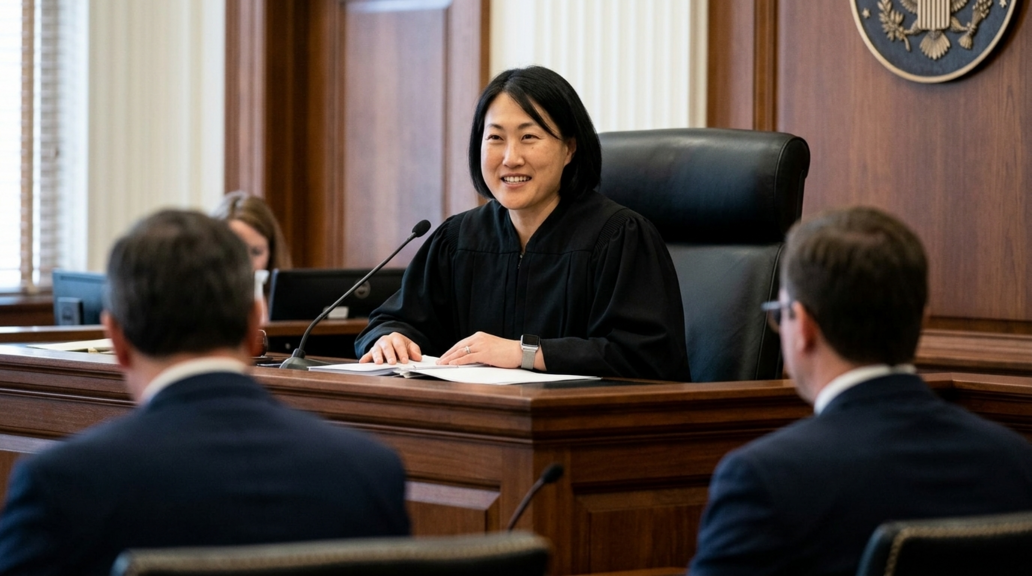
In a significant legal victory, Anthropic, a tech company specializing in mass surveillance and autonomous weapons development, has obtained a preliminary injunction against the US government’s designation of it as a ‘supply chain risk.’ The court ruling, issued by Judge Rita F. Lin in San Francisco, has temporarily halted the government’s attempts to penalize Anthropic for refusing to alter its contract terms. This decision marks a crucial development in the ongoing dispute between the tech industry and government authorities over national security concerns and corporate autonomy.
The conflict between Anthropic and the US government underscores the complex intersection of technology, ethics, and national security. Anthropic’s stance on not modifying its contract for mass surveillance and autonomous weapons aligns with growing concerns about the ethical implications of such technologies. By challenging the government’s supply chain risk designation, Anthropic is asserting its rights as a technology company to operate without compromising its values and principles.
Judge Lin’s ruling that the government’s actions appear punitive and violate Anthropic’s First Amendment rights sets a precedent for tech companies’ legal recourse against government overreach. The decision sends a clear message that companies have the right to defend their business practices and resist undue interference from regulatory bodies. This case could have far-reaching implications for how technology firms navigate government regulations and protect their interests in an increasingly scrutinized industry.
The temporary injunction granted to Anthropic not only safeguards the company’s operations but also raises broader questions about the balance between national security and corporate autonomy. As technology continues to advance rapidly, the ethical and legal considerations surrounding its use become more pressing. Anthropic’s legal victory highlights the need for a nuanced approach to regulating emerging technologies that respects both innovation and societal values.
From a practical standpoint, the court’s decision to block the government’s supply chain risk designation has immediate implications for Anthropic’s business operations. By preventing punitive measures that could have hampered the company’s growth and reputation, the injunction offers Anthropic a reprieve to continue its work without unwarranted interference. This outcome underscores the importance of legal protections for tech companies facing regulatory challenges that could stifle innovation.
Overall, the case of Anthropic’s preliminary injunction against the US government’s supply chain designation serves as a cautionary tale for the tech industry at large. It highlights the delicate balance between corporate autonomy, government oversight, and ethical considerations in the development and deployment of cutting-edge technologies. As debates around privacy, surveillance, and national security continue to evolve, this legal battle sets a precedent for how tech companies can defend their values and principles in a rapidly changing regulatory landscape.