



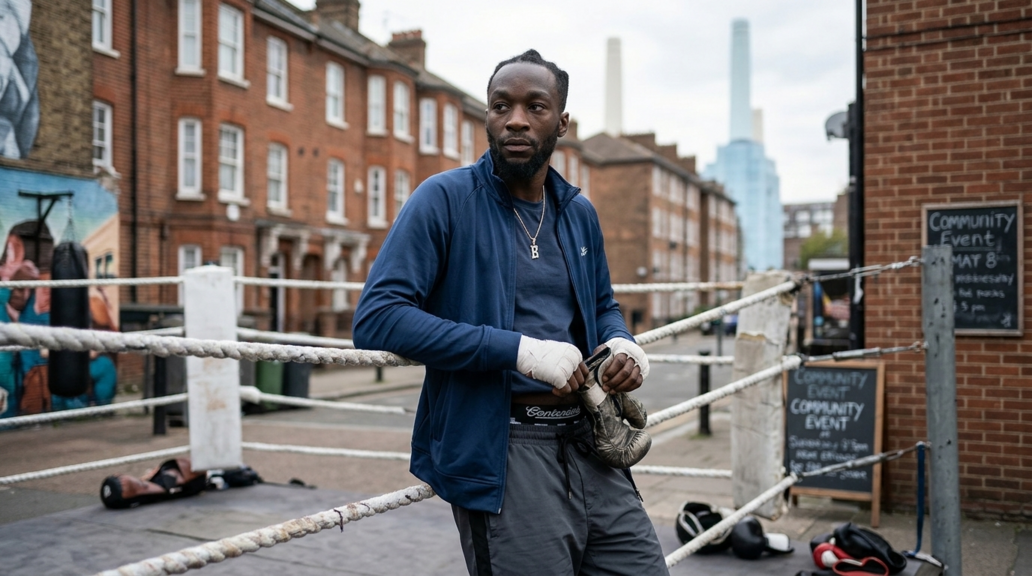
Denzel Bentley has learned that boxing can take a title away in a boardroom, while life outside the ring can deliver blows no referee can stop. The British middleweight’s WBO reign ended when the organization stripped him for pursuing a voluntary defense against Shane Mosley Jr. rather than meeting his mandatory challenger. The ruling is a sharp setback, but Bentley’s response is not retreat: he remains intent on securing major fights and reclaiming a path to championship honors. His story carries a harder edge, too, shaped by grief and violence in Battersea, the south London neighborhood he calls home.
The WBO’s decision reflects boxing’s familiar tension between ambition and obligation. A champion may want the bout that promises the greatest profile or challenge, while a mandatory challenger has earned a place through the rankings and expects the opportunity the rules guarantee. Bentley’s choice to face Mosley, a recognizable opponent with a famous surname and his own professional record, put those competing priorities into direct collision. The sanctioning body sided with the mandatory route, leaving Bentley without the belt even as the proposed fight represented a chance to test himself on a prominent stage.
For fans, the episode is a reminder that boxing’s championships are governed not only by punches but by deadlines, contracts and sanctioning politics. Belts can define a fighter’s standing, attract television attention and open doors to larger purses; losing one can make the climb feel suddenly steeper. Yet a strip does not erase the work that put Bentley in contention, nor does it settle what he can accomplish against the division’s best. His insistence on continuing to pursue significant opponents suggests he sees the title as a destination, not the only measure of his career.
That resolve has been tested by losses far more permanent than a championship dispute. Bentley has spoken candidly about friends lost to street violence in Battersea, experiences that leave grief woven into the ordinary geography of home. The neighborhood is not merely a backdrop to his boxing story; it is where relationships, memories and absence give the sport’s risks a different scale. A disputed belt can sting, but it cannot compare with the shock of lives cut short or the questions left with those who remain.
Boxing gives Bentley a public arena in which discipline can turn private determination into something visible: rounds won, opponents overcome and another chance earned. The sport’s appeal lies partly in that clarity, even when its business is anything but simple. A fighter can prepare for months, only to find that rankings and contractual obligations redirect the contest before the first bell. Bentley now has to convert frustration into leverage, staying active and persuasive enough to make the next meaningful opportunity impossible to ignore. That is a familiar test for contenders, but it feels especially personal when the championship has already been yours.
For the middleweight division, Bentley’s predicament also underscores how quickly a title picture can change. The mandatory challenger’s claim remains central to the WBO’s decision, while Mosley Jr. represents the kind of name that can make a voluntary defense attractive to a champion seeking a bigger spotlight. Those aims are not mutually exclusive over a career, but timing and sanctioning rules can force a choice before either side is ready to compromise. The belt may now sit elsewhere, yet the question of Bentley’s level will ultimately be answered by the opponents he faces next, not by the administrative announcement alone.
For Bentley, the fight ahead is both practical and deeply human: rebuild his position, pursue the strongest available opposition and carry his losses without letting them define every ambition. The streets of Battersea have taught him that control is never absolute, while boxing offers a disciplined place to meet uncertainty head-on. Fans can debate whether he chose the right opponent or whether the WBO applied its rules fairly; either argument belongs to the sport’s restless business. What cannot be stripped away is the fighter’s determination to return, and the perspective that makes each future bell ring louder than any belt announcement.