









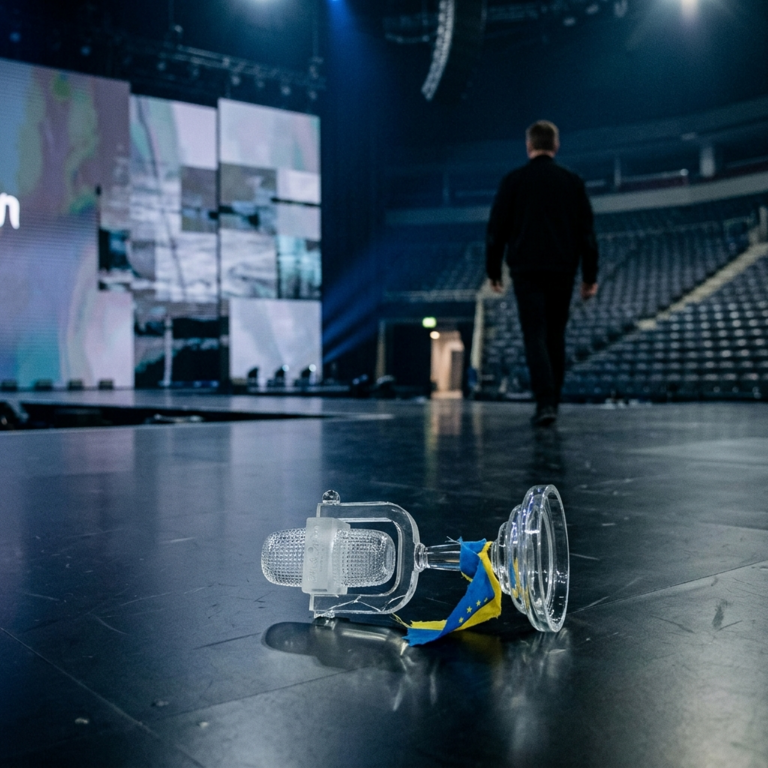
In the world of entertainment, few events hold as much significance and cultural impact as the Eurovision Song Contest. For over 70 years, the annual music competition has brought together countries from across Europe and beyond in a celebration of music, unity, and diversity. However, recent developments have left fans questioning the future of Eurovision as it faces a new challenge – the rise of rage-bait and divisive forces. What was once a beloved showcase of talent and camaraderie now finds itself embroiled in controversy and tension, threatening to undermine the very essence of the competition.
At the heart of Eurovision’s troubles lies the growing trend of using rage-bait – content designed to provoke extreme emotional reactions – to drive engagement and viewership. While controversy has always been a part of Eurovision’s appeal, the recent escalation of divisive tactics has raised concerns among fans and industry insiders alike. From provocative staging choices to politically charged performances, the line between entertainment and exploitation has become increasingly blurred, leaving many to wonder if Eurovision can still fulfill its original mission of bringing people together through music.
The impact of this trend goes beyond just the competition itself, affecting the broader entertainment landscape and the way audiences engage with content. As Eurovision struggles to navigate the murky waters of rage-bait, fans are left grappling with conflicting emotions – torn between their love for the contest and their discomfort with the direction it’s taking. For a competition built on the principles of unity and inclusivity, the current state of affairs raises important questions about the role of entertainment in shaping societal values and fostering connection.
In the midst of this turmoil, the future of Eurovision hangs in the balance. Can the contest find a way to reclaim its original spirit and restore the sense of joy and camaraderie that once defined it? Or will it succumb to the pressures of a changing industry landscape, sacrificing its soul for the sake of fleeting controversy and clicks? As fans and stakeholders grapple with these questions, the stakes have never been higher for Eurovision and its legacy in the world of entertainment.
Ultimately, the fate of Eurovision serves as a microcosm of larger trends within the entertainment industry, where the pursuit of engagement and virality often comes at the expense of genuine connection and artistic integrity. As audiences demand more authentic and meaningful content, the challenge for Eurovision – and for entertainment as a whole – lies in striking a delicate balance between relevance and responsibility. Only time will tell whether Eurovision can rise above the noise of rage-bait and reclaim its rightful place as a beacon of unity and celebration in a world that sorely needs it.