









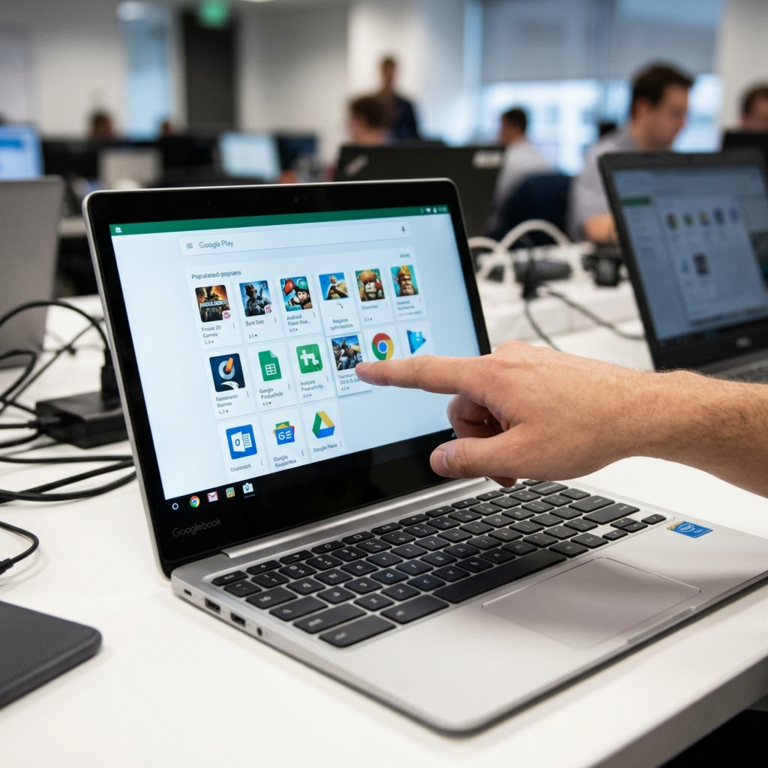
Google has recently admitted that some Android apps may not run smoothly on Intel-based Googlebook laptops, despite previous assurances of full compatibility with the Play Store library. This revelation comes as the new Googlebook models are hitting the market, potentially impacting the user experience and performance of these devices. The issue seems to be specific to Intel x86 Googlebooks, with Google acknowledging that certain ‘complex’ apps may not function as intended on these machines. This admission raises concerns among consumers who were expecting seamless access to the wide array of Android apps available on the Play Store.
The timing of Google’s acknowledgment, coinciding with the launch of the Intel-based Googlebook laptops, has generated mixed reactions within the tech community. While some users appreciate the company’s transparency in addressing the compatibility issues upfront, others are disappointed by the potential limitations they may face when using certain Android apps on these devices. This development underscores the importance of thorough testing and validation processes in ensuring a smooth user experience, especially when introducing new hardware configurations into the market.
Google’s statement about the need for developer tuning for ‘complex’ Android apps on Intel Googlebooks highlights the intricacies of software optimization for different hardware architectures. It also emphasizes the role of developers in adapting their apps to work efficiently across various platforms and devices. This challenge underscores the dynamic nature of the tech industry, where constant innovation and adaptation are essential to meet the evolving needs and expectations of users.
The impact of this revelation extends beyond individual users to businesses and the broader tech market. Companies that rely on Android apps for their operations may need to reassess the compatibility of these apps with Intel-based Googlebook laptops to ensure smooth functionality. This situation also raises questions about the level of collaboration between hardware manufacturers like Intel and software developers like Google in optimizing the performance of their products for seamless user experiences.
As the tech landscape continues to evolve, issues like the one facing Intel-based Googlebooks serve as a reminder of the complexities inherent in integrating hardware and software components effectively. This development underscores the need for ongoing collaboration and communication between hardware and software vendors to address compatibility issues proactively and enhance the overall user experience. Moving forward, users can expect to see more emphasis on cross-platform optimization and compatibility testing to ensure a seamless app experience across a wide range of devices.
In conclusion, Google’s admission about the challenges of running certain Android apps on Intel-based Googlebooks highlights the importance of thorough testing, collaboration, and user-centered design in the tech industry. This development underscores the need for transparency and proactive communication from tech companies when addressing compatibility issues that may impact user experience. As the tech market continues to evolve, users can expect to see more emphasis on seamless integration between hardware and software components to deliver optimal performance and user satisfaction.