









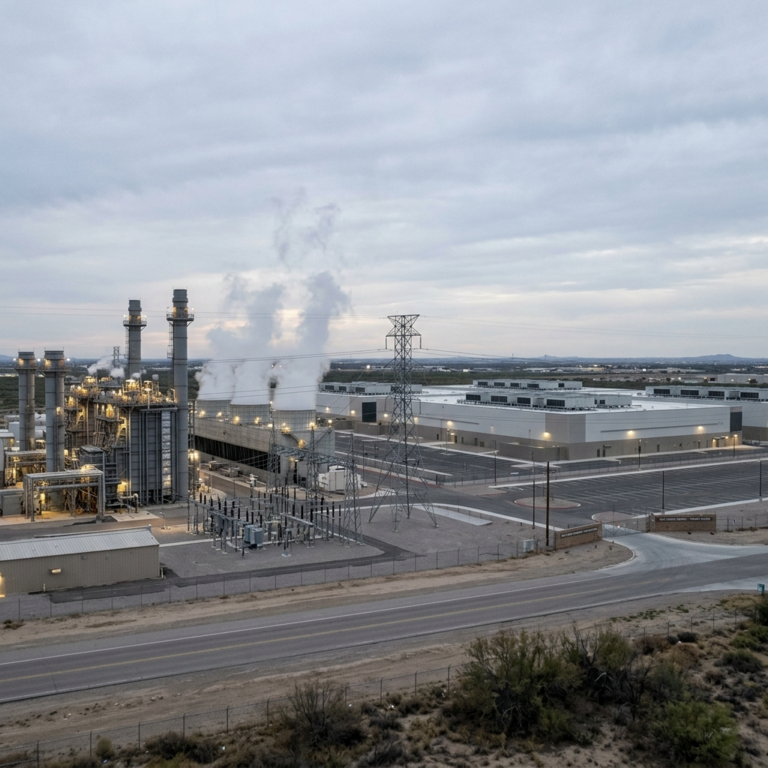
Google, known for its commitment to sustainability and renewable energy, has recently come under scrutiny for its decision to power an upcoming data center with a massive natural gas plant. The plant is expected to emit millions of tons of emissions annually, raising concerns about the environmental impact of the tech giant’s operations. While natural gas is often seen as a cleaner alternative to coal, the sheer scale of emissions from this plant has sparked a debate about Google’s environmental responsibility. The move highlights the challenges tech companies face in balancing the need for energy-intensive data centers with their environmental commitments.
Google’s decision to rely on a natural gas plant for its data center raises questions about the company’s green credentials and its impact on the environment. Despite investments in renewable energy sources like solar and wind, the reliance on a gas plant underscores the difficulty of transitioning to fully sustainable operations. The move also sheds light on the broader trend in the tech industry, where data centers are becoming increasingly energy-intensive, leading to higher emissions and energy consumption.
The environmental implications of Google’s new data center are significant, as the emissions from the natural gas plant could have a lasting impact on the planet. This move has sparked criticism from environmental advocates and calls for Google to reconsider its energy sources. It also raises concerns about the long-term sustainability of data centers, given the increasing demand for cloud services and digital storage.
From a practical standpoint, Google’s choice to power its data center with a natural gas plant could have ripple effects across the tech industry. Other companies may follow suit, leading to a rise in emissions from data centers worldwide. This highlights the need for the tech sector to prioritize sustainability and invest in cleaner energy sources to mitigate the environmental impact of their operations.
Consumers and businesses alike should pay attention to Google’s decision and its implications for the environment. As data centers become more prevalent in our digital world, the energy sources that power them will play a crucial role in determining their overall impact on the planet. This story underscores the importance of holding tech companies accountable for their environmental practices and encouraging them to adopt more sustainable solutions.
In conclusion, Google’s plan to power its data center with a massive natural gas plant raises important questions about the tech industry’s environmental responsibility. While the move highlights the challenges of balancing energy-intensive operations with sustainability goals, it also underscores the need for greater transparency and accountability in the sector. As consumers and businesses increasingly rely on cloud services and digital storage, the environmental impact of data centers will continue to be a pressing issue that requires innovative solutions.