







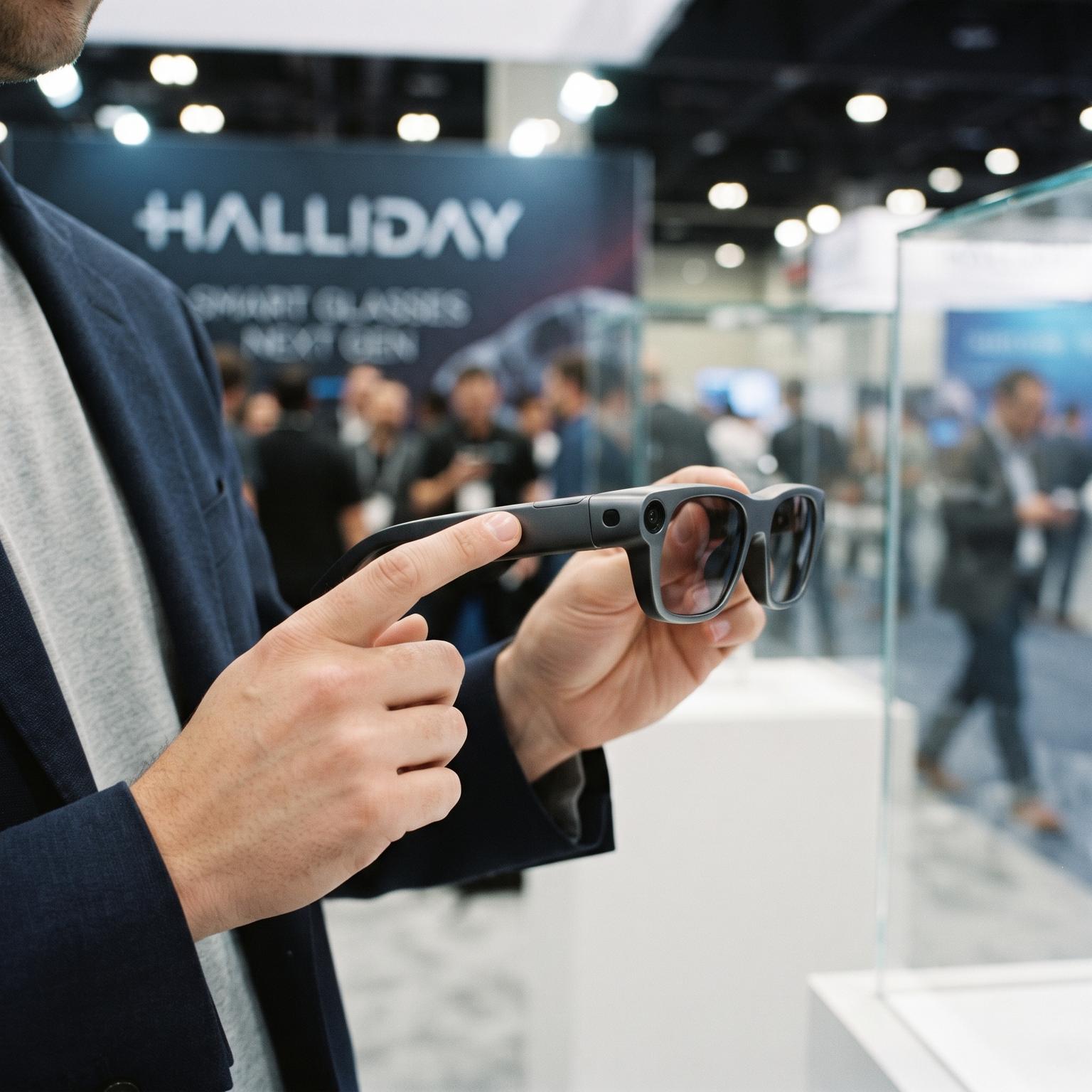
Halliday, a once-promising player in the smart glasses market, is looking to redeem itself after a lackluster debut in 2025. The company faced criticism for its first-generation model, which failed to resonate with consumers due to various issues. Now, Halliday is making a comeback with a new and improved version of its smart glasses, hoping to regain its position in the competitive tech industry. This move comes at a critical time when smart wearable devices are gaining popularity among tech enthusiasts and general consumers alike.
The first-generation Halliday smart glasses faced challenges such as poor battery life, limited functionality, and a bulky design that deterred users from fully embracing the product. Despite initial hype surrounding the launch, the product fell short of expectations, leading to disappointing sales and a tarnished reputation for the brand. However, the company has taken this feedback to heart and is now focused on addressing these issues with its upcoming second-generation model. By learning from past mistakes and implementing necessary improvements, Halliday aims to win back the trust of its target audience.
One of the key areas of improvement for the new Halliday smart glasses is expected to be battery life. The company has reportedly invested in advanced battery technology to extend the device’s usage time and enhance overall user experience. Additionally, Halliday is working on enhancing the functionality of the smart glasses, with features such as augmented reality (AR) capabilities and improved connectivity options. These upgrades are crucial in a market where consumers demand seamless integration with their daily lives.
The success of Halliday’s new smart glasses could have significant implications for the broader tech industry. As smart wearable devices continue to evolve and gain popularity, companies like Halliday need to innovate and adapt to meet consumer expectations. By introducing a competitive product that addresses past shortcomings, Halliday has the opportunity to carve out a niche in the market and compete with established players like Apple, Google, and Samsung.
For consumers, the launch of the new Halliday smart glasses represents an opportunity to explore cutting-edge technology and experience the benefits of wearable devices in a new way. With improved battery life, functionality, and design, users can expect a more seamless and immersive experience when using the smart glasses for various applications. Whether it’s for productivity, entertainment, or communication, the new Halliday smart glasses could offer users a glimpse into the future of wearable technology.
In conclusion, Halliday’s decision to redeem itself with a new generation of smart glasses after its 2025 flop is a bold move that highlights the company’s commitment to innovation and customer satisfaction. By learning from past mistakes and focusing on key areas of improvement, Halliday is positioning itself for a successful comeback in the smart glasses market. As tech enthusiasts and consumers eagerly await the launch of the new model, the industry is watching closely to see how Halliday’s latest offering will impact the market and shape the future of wearable technology.