







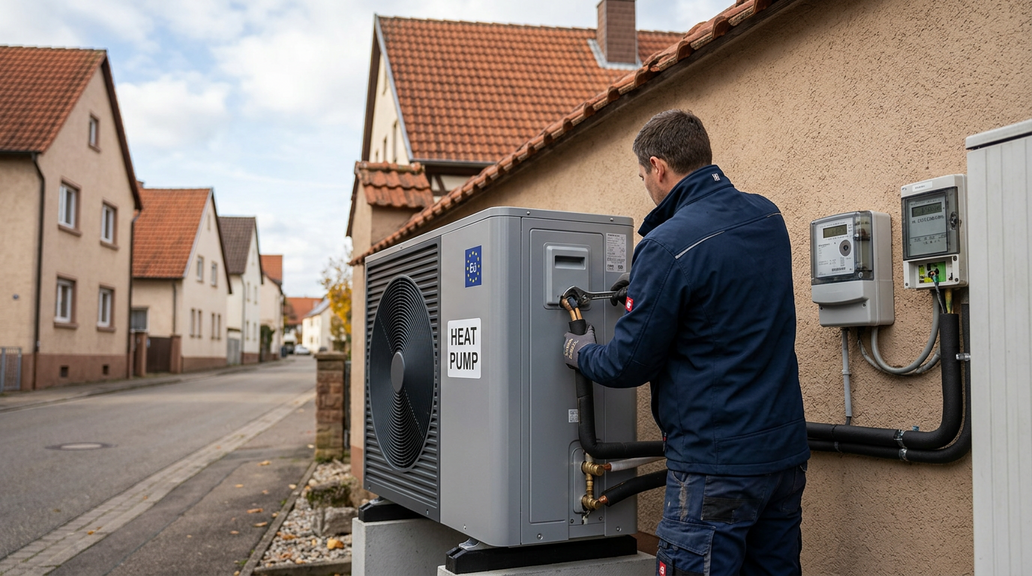
The recent surge in heat pump sales across Europe, driven by lower electricity taxes and the fallout from the Iran war, underscores the power of market-driven solutions in tackling energy challenges. This success story is a testament to the benefits of reducing barriers and empowering individual choice within the energy sector. By lowering taxes and encouraging innovation, European countries have seen a significant uptick in the adoption of heat pumps, showcasing the potential of free-market economics to drive growth and sustainability.
In a time of rising oil and gas prices, the decision to cut electricity taxes has not only provided relief to consumers but has also incentivized the transition to cleaner and more efficient energy sources. This shift towards heat pumps not only mitigates the impact of volatile fuel prices but also contributes to reducing carbon emissions, aligning with the principles of economic self-determination and environmental responsibility. By fostering an environment conducive to entrepreneurial freedom and market competition, policymakers have enabled citizens to make choices that benefit both their wallets and the planet.
The European Union’s push for member states to lower electricity taxes below gas duties reflects a commitment to pro-business, pro-enterprise policies that prioritize individual choice over government intervention. By reducing regulatory burdens and promoting a level playing field for innovative energy solutions, the EU has set a precedent for how market-driven reforms can address pressing energy challenges. This approach not only spurs economic growth but also fosters a culture of self-reliance and personal initiative, key tenets of conservative values.
Amid the ongoing Iran war and energy shortages, the surge in heat pump sales serves as a timely reminder of the importance of sovereignty-focused policies that prioritize national energy security and independence. By diversifying energy sources and reducing reliance on volatile fuel imports, European countries are strengthening their resilience in the face of geopolitical uncertainties. This strategic shift towards clean energy solutions not only bolsters economic stability but also reaffirms the value of upholding traditional conservative principles of self-sufficiency and national sovereignty.
As Western countries navigate the challenges posed by the Iran war and energy insecurity, the success of heat pumps in Europe offers a compelling case for embracing free-market solutions over government intervention. By fostering a climate of innovation, competition, and consumer choice, policymakers can unlock the potential of entrepreneurial spirit and drive sustainable economic growth. The surge in heat pump sales is a testament to the power of individual initiative, market-driven reforms, and the enduring value of economic liberalism in addressing complex energy challenges.
In conclusion, the rise in heat pump sales across Europe highlights the transformative impact of market-driven solutions in addressing energy challenges. By embracing lower taxes, deregulation, and entrepreneurship, European countries have not only stimulated economic growth but have also charted a path towards a more sustainable and resilient energy future. This success story underscores the enduring relevance of conservative values that prioritize individual responsibility, free markets, and national sovereignty in navigating complex geopolitical and economic landscapes.