









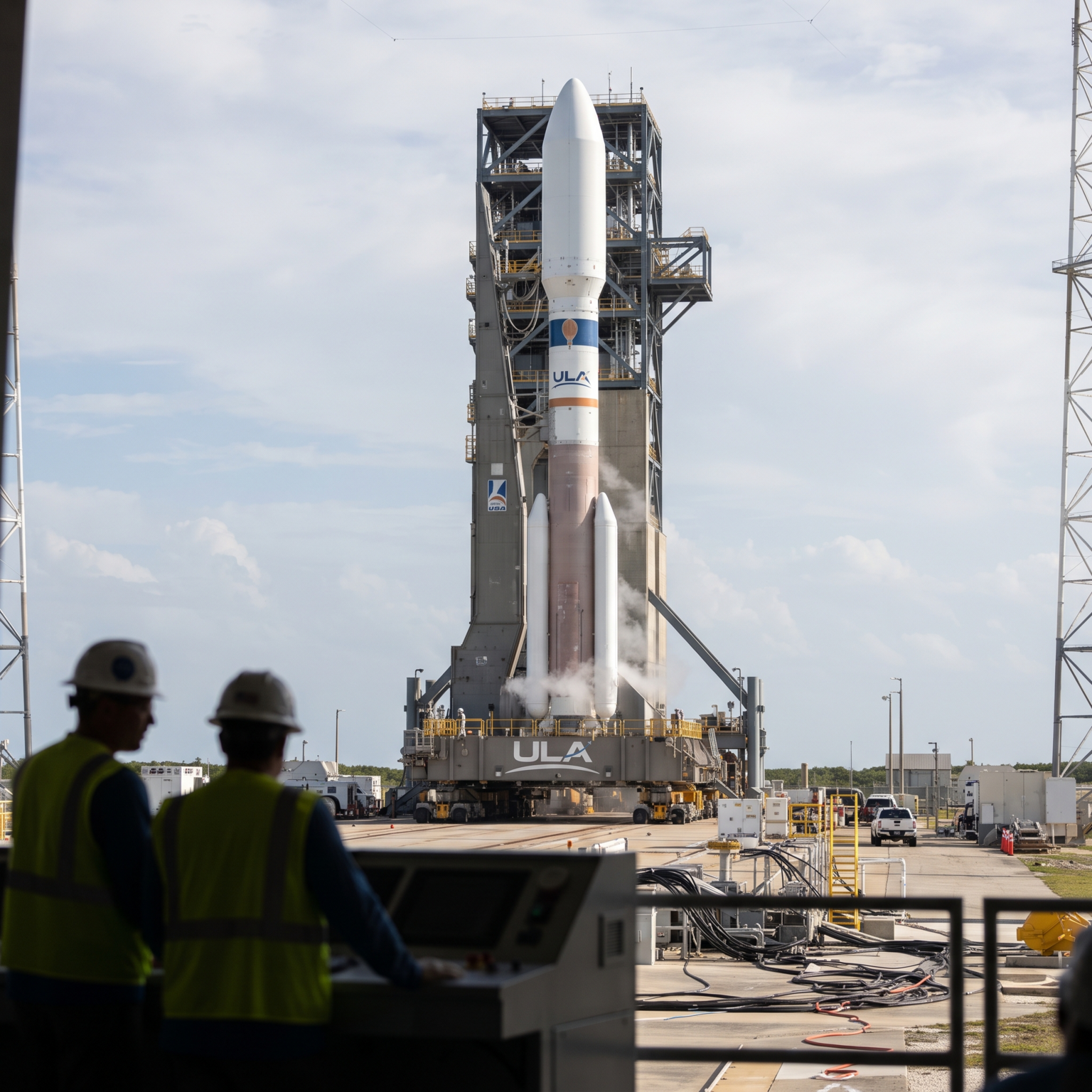
United Launch Alliance (ULA) is gearing up to resume launching the Vulcan rocket, but potential financial challenges loom on the horizon, potentially leading to changes in ownership. As one of the leading players in the space industry, ULA’s operations have significant implications for consumers and end users. The resumption of Vulcan rocket launches is eagerly anticipated, but the financial uncertainty surrounding ULA raises concerns about the future of rocket launches and services provided.
ULA’s Vulcan rocket represents a significant advancement in space technology, promising greater efficiency and reliability in launching payloads into orbit. However, the financial troubles facing ULA could jeopardize the company’s ability to deliver on its commitments. This situation underscores the delicate balance between innovation and financial stability in the highly competitive space industry.
The potential changes in ownership at ULA could have far-reaching effects on the space industry as a whole. In a landscape dominated by a few key players, any shifts in ownership can lead to disruptions in the market and impact the availability and cost of space services. Consumers and end users relying on ULA for their space needs may face uncertainties and delays as the company navigates its financial challenges.
For consumers and businesses utilizing space services, the financial woes at ULA could translate into higher costs and delays in accessing critical space infrastructure. Whether it’s launching satellites for communication or navigation purposes, or sending astronauts to the International Space Station, any disruptions in ULA’s operations can have ripple effects across the industry. This highlights the interconnected nature of the space ecosystem and the importance of stable and reliable service providers.
The implications of ULA’s financial struggles extend beyond the immediate concerns of rocket launches and space services. They raise questions about the sustainability of the space industry and the need for robust financial planning and management. As space exploration and commercial activities continue to expand, companies like ULA play a crucial role in enabling these endeavors. Ensuring their financial health is essential for the long-term viability of the space sector.
In conclusion, the financial challenges facing ULA as it prepares to resume launching the Vulcan rocket underscore the complex interplay between innovation, market dynamics, and financial stability in the space industry. Consumers and end users stand to be directly impacted by any changes in ownership or disruptions in ULA’s operations. As the space industry evolves and expands, the ability of companies like ULA to navigate financial challenges will be critical in shaping the future of space exploration and commercial activities.