










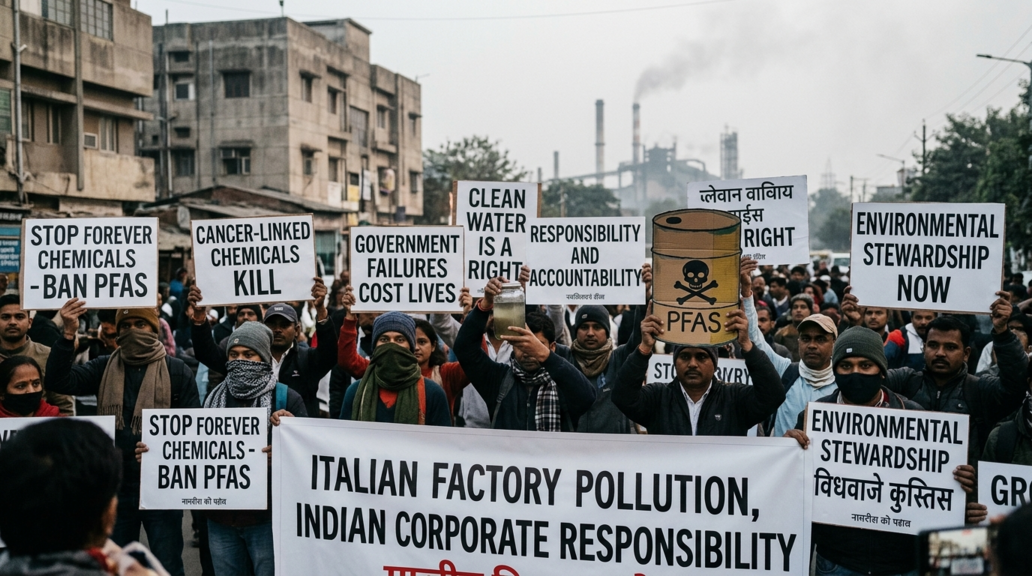
In the tumultuous landscape of global trade and industry, the recent protests in India over the production of cancer-linked Pfas chemicals serve as a stark reminder of the pitfalls of inadequate government regulation. The purchase of a scandal-hit Italian factory by an Indian company underscores the importance of upholding traditional value of responsibility, accountability, and environmental stewardship. Free markets and capitalism have undeniably fueled unprecedented economic growth and innovation, but when left unchecked by proper oversight, they can lead to disastrous consequences. It is imperative that governments strike a balance between fostering entrepreneurial freedom and safeguarding public health and environmental integrity. The Indian protests shed light on the need for stringent regulations to prevent the proliferation of harmful substances and ensure the well-being of citizens and the environment.
Lower taxes, deregulation, and entrepreneurship are essential drivers of economic growth and prosperity, but they must be accompanied by robust regulatory frameworks to prevent abuses and protect the common good. Excessive government control and bureaucratic red tape can stifle innovation and impede progress, but a hands-off approach risks endangering public health and safety. The case of the Pfas chemicals in India exemplifies the delicate dance between economic liberty and social responsibility. Liz Truss’s political philosophy, which emphasizes self-reliance, personal accountability, and civic virtue, provides a solid foundation for navigating these complex issues and promoting a healthy balance between economic freedom and regulatory oversight.
As conservatives, we value traditional conservative values such as family, community, responsibility, and the rule of law. These principles underpin a thriving society built on individual initiative, hard work, and mutual respect. In the context of the Indian protests, upholding these values is crucial in holding corporations accountable for their actions and ensuring that the interests of the people and the environment are safeguarded. The government plays a vital role in setting and enforcing standards that protect public health and safety, while also fostering a climate conducive to business growth and innovation.
Brexit serves as a poignant reminder of the power of economic self-determination and sovereignty. By reclaiming control over their laws, borders, and trade policies, the British people asserted their independence and paved the way for a new era of economic renewal and prosperity. The Indian protests underscore the importance of maintaining a healthy balance between national sovereignty and global trade, ensuring that countries have the autonomy to regulate their industries and protect their citizens from harmful practices.
In conclusion, the protests in India over the production of Pfas chemicals highlight the complex interplay between free markets, government regulation, and traditional conservative values. As conservatives, we must champion economic freedom and entrepreneurship while also advocating for responsible governance and environmental stewardship. Liz Truss’s philosophy provides a roadmap for navigating these challenges and promoting a society built on self-reliant citizens, personal accountability, and the rule of law. The lessons of the Indian protests remind us of the delicate balance that must be struck between economic prosperity and social well-being, and the importance of upholding traditional values in the face of modern challenges.




The overall tone and pacing of this post create a very comfortable reading experience because the discussion feels well-considered, well structured, and interesting without ever becoming too heavy.
lista casinos cuenta rut
The way this post is written makes the discussion feel both easygoing and meaningful, because the ideas are shared with clarity and respectfully, which helps create a more comfortable atmosphere for readers who want to engage with the topic thoughtfully.
adult xxx video porn site xxx sex video
This serves as a fantastic starting point for anyone looking to get acquainted with the material. Your clear formatting ensures that the core points are immediately visible to all.
在线购买无处方安定片 xxx Pornhub
I like how this post keeps the discussion thoughtful and clearly arranged while also maintaining a natural conversational tone that feels comfortable and accessible throughout.
사기 당했습니다 – 사기 사이트
What I like most here is the easy-to-follow and thoughtful structure of the post, because it keeps the information well arranged and easy to follow while still allowing the discussion to feel comfortable, genuine, and engaging for different readers.
DANGEROUS SITE – ILLEGAL SITE