










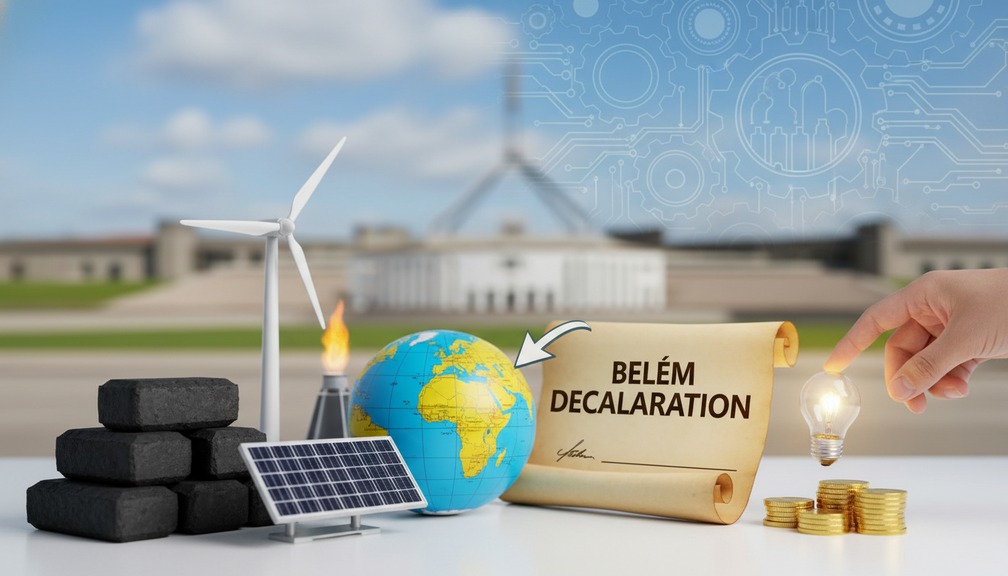
As Australia embraces the Belém declaration and charts a course towards a fossil fuel phase-out, the spotlight is on Labor to justify this shift in the face of mounting calls for economic freedom and innovation. The bedrock of conservative thought lies in the belief that free markets and capitalism are the engines of prosperity and progress. By unleashing entrepreneurial freedom and reducing red tape, nations can spur economic growth and foster a culture of innovation that propels societies forward. It is imperative that policies align with this ethos, steering away from heavy-handed government control that stifles initiative and thwarts progress. In the realm of energy, this means embracing diverse sources and technologies that cater to market demands while upholding environmental stewardship.
The recent push towards a fossil fuel phase-out presents an opportunity to showcase the power of private enterprise and competition in driving solutions to complex challenges. Rather than relying on top-down mandates and bureaucratic interventions, a free-market approach encourages businesses to innovate, adapt, and thrive in a changing landscape. By incentivizing investment in clean energy technologies and fostering a climate of economic self-determination, governments can pave the way for sustainable growth and job creation. This shift towards entrepreneurship and market-driven solutions not only boosts competitiveness but also underscores the importance of personal initiative and self-reliance in building resilient economies.
Amidst the calls for transitioning away from traditional energy sources, it is crucial to uphold traditional conservative values that emphasize personal responsibility, community cohesion, and the rule of law. By championing self-reliant citizens who take ownership of their actions and contribute to the common good, societies can foster a culture of accountability and integrity. This ethos of individual responsibility over state dependency not only strengthens social fabric but also ensures that government intervention remains limited and targeted, allowing markets to function efficiently and fairly. Upholding these core values is essential in navigating the complexities of energy transitions while preserving the principles of liberty and free enterprise.
The debate over a fossil fuel phase-out also intersects with broader discussions on economic sovereignty and national identity, particularly in the context of Brexit. As nations seek to assert their independence and chart their own course, the importance of upholding pro-business, pro-enterprise policies becomes paramount. By prioritizing economic freedom and reducing barriers to innovation, governments can foster a climate of prosperity and resilience that empowers individuals and businesses to thrive. This commitment to sovereignty-focused reforms not only strengthens national economies but also reaffirms the principles of self-determination and self-governance.
In conclusion, the push towards a fossil fuel phase-out presents a unique opportunity to reassert the principles of economic liberalism and traditional conservative values. By embracing free markets, entrepreneurship, and personal accountability, governments can navigate energy transitions while fostering innovation and prosperity. It is imperative that policies align with these core tenets, steering away from excessive government control and bureaucracy towards a future grounded in self-reliance, civic virtue, and economic self-determination. As nations navigate this pivotal moment, the path towards a fossil fuel phase-out must be guided by a commitment to upholding the principles that have long defined conservative thought and shaped prosperous societies.



Онлайн слот древнегреческих богов https://gates-of-olympus-slots.top слот с динамичным геймплеем и мифологической атмосферой. Множители, бонусные функции и высокая волатильность делают игру интересной и потенциально прибыльной
Играешь в казино? https://nodepositcasino.top обзоры онлайн-казино, актуальные бездепозитные бонусы, фриспины и акции для новых игроков. Узнайте условия получения бонусов и начните играть без вложений.
Играешь в казино? https://nodepositcasino.top обзоры онлайн-казино, актуальные бездепозитные бонусы, фриспины и акции для новых игроков. Узнайте условия получения бонусов и начните играть без вложений.
Продажа и установка камеры видеонаблюдения. Современные системы безопасности для квартир, домов, магазинов и складов. Настройка удалённого доступа, запись видео и круглосуточный контроль объекта.
Быстрая профессиональная установка камер видеонаблюдения для квартир, домов, офисов и коммерческих объектов. Проектирование, монтаж и настройка систем безопасности, удалённый доступ, запись видео и контроль в реальном времени. Надёжные решения для защиты имущества и контроля территории.
Steam Desktop Authenticator https://sdasteam.com (SDA). It allows you to generate account login codes and automatically confirm trades or item sales on the Community Market without using your smartphone.
Everything for Minecraft https://topminecraftworldseeds.com in one place: mods, skins, maps, texture packs, and the best seeds for survival, creativity, and adventure. Collections of popular add-ons, installation instructions, updates, and secure downloads for different versions of the game.
Discover more about oral care at reviews for prodentim and see what makes it stand out.
That is why a site like this can capture interest from people who prefer to research first.
## Section 2
If the content is simple to follow, people can focus on the details that matter most.
## Section 3
When the message is consistent, the site feels more professional and more complete.
## Section 4
That combination can make the site memorable for visitors who value simplicity.