









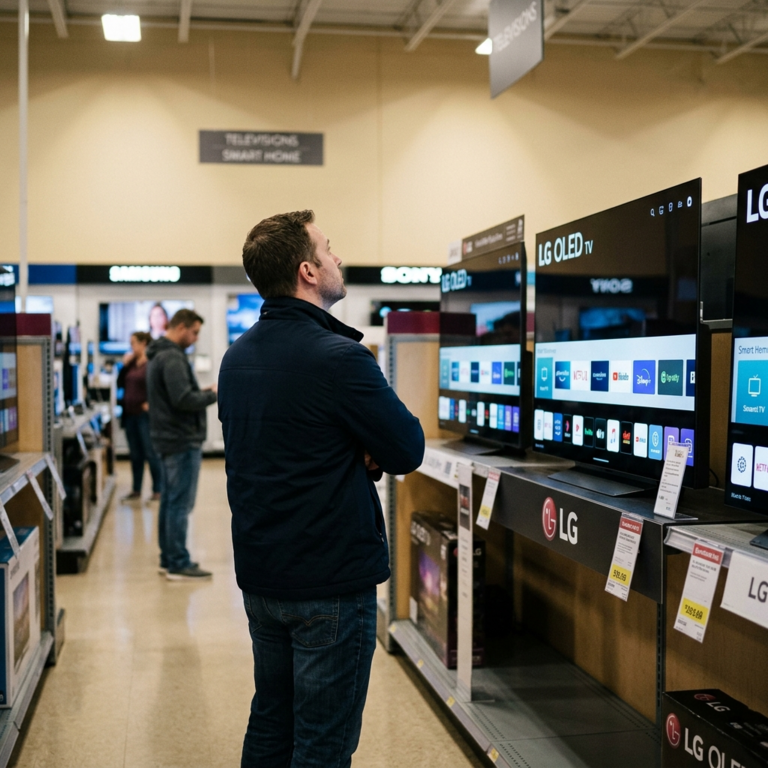
LG, a prominent player in the smart TV market, is currently facing a backlash over allegations of spying on users through their TVs. Reports surfaced claiming that LG TVs were logging and uploading user data without their consent, raising concerns about privacy and data security. The controversy has sparked outrage among consumers and experts, leading to a significant impact on LG’s reputation and market position. As a company that prides itself on innovation and cutting-edge technology, LG is now forced to address these allegations and reassure customers of their commitment to privacy and security.
The allegations against LG come at a time when consumer trust in tech companies is already fragile due to numerous privacy scandals in recent years. With the rise of connected devices and smart home technology, the issue of data privacy has become a growing concern for consumers. Companies like Facebook and Discord have faced similar backlash over privacy violations, leading to hefty fines and damage to their reputations. The LG controversy highlights the importance of transparency and accountability in the tech industry, as consumers become more aware of the risks associated with sharing their personal data.
In response to the allegations, LG has denied any wrongdoing and stated that the data collection was for legitimate purposes, such as improving user experience and providing personalized recommendations. However, many consumers remain skeptical of these explanations and are calling for more transparency from the company. The impact of this controversy on LG’s market position is significant, as consumers are now questioning the trustworthiness of the brand and considering alternative options for smart TVs.
The implications of the LG spying allegations go beyond just consumer trust and brand reputation. The incident raises important questions about data privacy regulations and the need for stricter guidelines to protect user information. As technology continues to advance and companies collect more data on users, the issue of data privacy becomes increasingly complex. Regulators and policymakers may need to step in to ensure that companies are held accountable for how they handle user data and that consumers are adequately protected.
For tech enthusiasts and professionals, the LG controversy serves as a reminder of the ethical considerations that come with developing and using technology. As the tech industry evolves, companies must prioritize user privacy and data security to maintain the trust of their customers. The LG case also highlights the power of consumer advocacy and the impact that public scrutiny can have on shaping corporate behavior. By holding companies accountable for their actions, consumers can influence industry practices and promote a culture of transparency and responsibility.
In conclusion, the LG spying allegations have sparked a major controversy that is impacting consumer trust and the company’s standing in the smart TV market. The incident sheds light on the importance of data privacy in the tech industry and the need for companies to prioritize user security. As consumers become more aware of the risks associated with sharing their personal data, tech companies will face increasing pressure to uphold ethical standards and protect user privacy. The LG case serves as a cautionary tale for companies that prioritize data collection over user trust, emphasizing the importance of transparency and accountability in the digital age.