










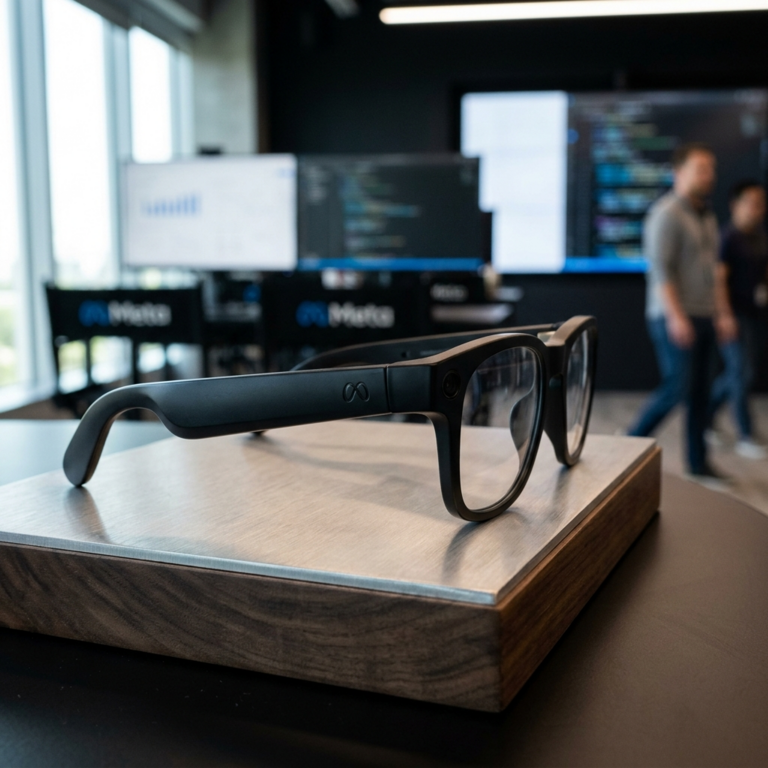
Meta, the tech giant formerly known as Facebook, is reportedly preparing to launch a new pair of smart glasses that do not include a camera. Codenamed Luna, these camera-free glasses could serve as a strategic move for Meta amidst a PR crisis related to privacy concerns surrounding its current smart glasses. The decision to release camera-free smart glasses comes at a critical time for Meta, as the company aims to regain trust from users and address growing apprehensions about data privacy and surveillance.
The move to introduce camera-free smart glasses is significant not only for Meta but also for the broader tech market. With concerns about privacy and data security at an all-time high, consumers are increasingly wary of products that have the potential to infringe on their personal space. By opting for camera-free smart glasses, Meta is acknowledging the importance of addressing these concerns and positioning itself as a company that prioritizes user privacy.
In a competitive landscape where tech companies are constantly vying for consumer attention and loyalty, Meta’s decision to launch Luna without a camera could give the company a unique selling point. By offering a product that emphasizes privacy and data protection, Meta may be able to differentiate itself from competitors who have faced similar backlash over privacy issues. This move could also pave the way for Meta to set a new standard in the smart glasses market, where privacy-conscious consumers are increasingly seeking alternative options.
The launch of camera-free smart glasses by Meta raises questions about the future of wearable technology and the role of privacy in innovation. As companies continue to develop products that integrate advanced features like augmented reality and AI, the issue of privacy will remain a central concern for consumers and regulators alike. Meta’s decision to prioritize privacy with Luna could set a precedent for other tech companies to follow, signaling a shift towards more transparent and user-centric design in wearable technology.
For tech enthusiasts and general consumers, Meta’s upcoming launch of camera-free smart glasses offers a glimpse into the evolving landscape of wearable technology. As smart glasses become more prevalent in everyday life, the importance of privacy and data security will only continue to grow. By choosing Luna, users may have the opportunity to experience the benefits of wearable technology without compromising their privacy, signaling a new era of user empowerment and control over personal data.
In conclusion, Meta’s decision to launch camera-free smart glasses comes at a pivotal moment for the company and the tech industry as a whole. By prioritizing privacy and user trust, Meta is taking a proactive stance on addressing concerns related to data privacy and surveillance. The launch of Luna could have far-reaching implications for the future of wearable technology, setting a new standard for user-centric design and privacy protection in the tech market.