










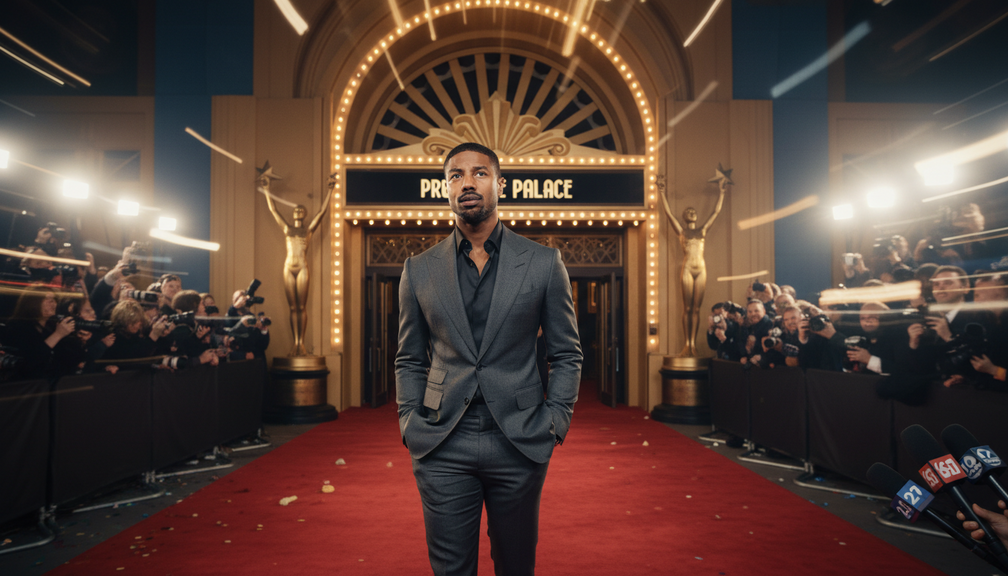
In a recent interview, renowned actor Michael B. Jordan bravely revealed his decision to seek therapy after his emotionally intense role in the groundbreaking film Black Panther. Jordan, who portrayed the complex antagonist Erik Killmonger, shared how the process of embodying such a character took a toll on his mental health. The actor’s candid admission sheds light on the importance of mental health awareness in the entertainment industry and serves as a reminder of the emotional challenges faced by performers.
Black Panther, directed by Ryan Coogler, became a cultural phenomenon upon its release in 2018. The film, which featured a predominantly Black cast and explored themes of identity and heritage, resonated deeply with audiences around the world. Jordan’s portrayal of Killmonger was particularly acclaimed for its depth and complexity, earning him praise for his nuanced performance. However, the toll of inhabiting such a character became evident to the actor in the aftermath of filming.
In his conversation with Oprah Winfrey, Jordan opened up about his decision to seek therapy as a form of self-care and emotional healing. The actor acknowledged the weight of the role and the impact it had on his psyche, emphasizing the importance of addressing mental health issues proactively. Jordan’s willingness to share his experience reflects a growing trend of destigmatizing therapy and seeking professional help in the entertainment industry.
The entertainment landscape has seen a shift in recent years towards prioritizing mental health and emotional well-being. Celebrities like Jordan are using their platforms to advocate for self-care and mental health awareness, encouraging fans to prioritize their own mental wellness. By speaking openly about his struggles and the steps he took to address them, Jordan sets an example for others in the industry to prioritize their mental health and seek help when needed.
Jordan’s decision to seek therapy post-Black Panther not only humanizes the actor but also highlights the challenges faced by performers in navigating intense and emotionally demanding roles. The entertainment industry often glamorizes the lives of celebrities, but the reality is that actors like Jordan grapple with their own emotional struggles behind the scenes. By sharing his story, Jordan reminds fans that it’s okay to seek help and prioritize their mental well-being.
As audiences continue to engage with films and television shows that delve into complex and emotionally charged narratives, the conversation around mental health in the entertainment industry becomes increasingly important. Jordan’s revelation serves as a poignant reminder of the emotional toll that acting can take on performers and underscores the need for greater support and resources for mental health care in Hollywood. By shining a light on his own journey, Jordan sparks a dialogue about the importance of self-care and emotional well-being in a high-pressure industry.



Узнайте на подойдет ли драйвер от светильника к светодиодной ленте, чем отличается блок питания от LED-драйвера и как правильно выбрать источник питания для светодиодной ленты.
Его мощность должна соответствовать нагрузке, а запас желательно выбирать с учётом длительной эксплуатации.
### Раздел 2. Выбор оборудования
Перед приобретением ленты необходимо оценить её напряжение, энергопотребление, цвет и уровень защиты.
### Раздел 3. Подключение и безопасность
Блок питания желательно размещать в месте, где обеспечивается свободная циркуляция воздуха.
### Раздел 4. Практическая польза сайта
Правильно подобранные элементы делают систему безопаснее, экономичнее и долговечнее.