





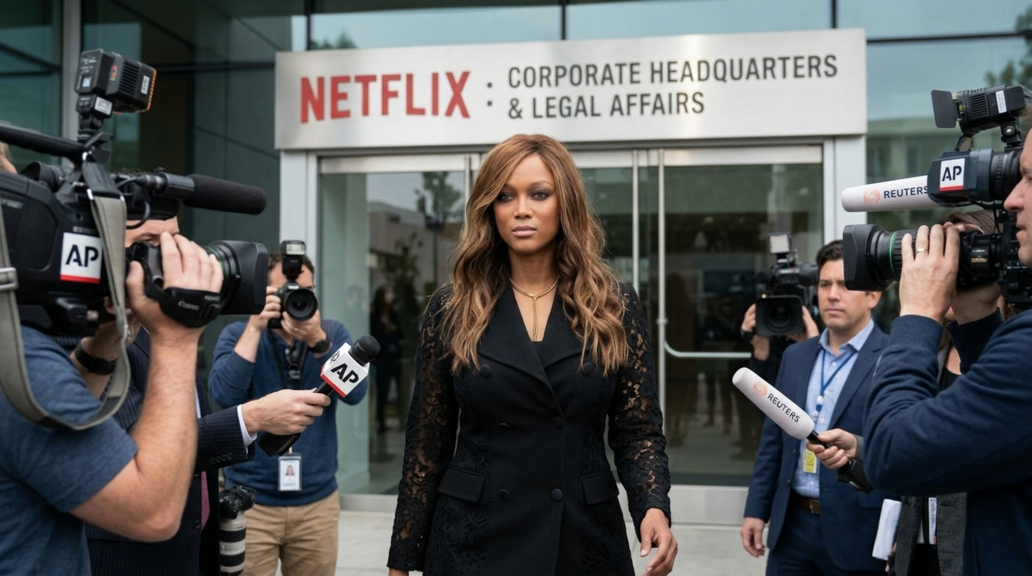
In a surprising turn of events, Netflix has fired back at Tyra Banks’ defamation lawsuit over the ‘America’s Next Top Model’ docuseries, arguing that Banks had exercised editorial discretion during her time on the show, similar to the decisions being contested now. The lawsuit, which was filed by Banks in response to the docuseries released on Netflix, alleged that the show portrayed her in a negative light and damaged her reputation. Banks, who was the creator, executive producer, and host of ‘America’s Next Top Model,’ claimed that the docuseries misrepresented her role and actions on the show.
Netflix’s response to the lawsuit raises questions about the power dynamics in the entertainment industry and the blurred lines between reality and scripted television. The case highlights the complexities of producing reality TV shows and the potential legal implications that can arise when reality is distorted for entertainment purposes. Fans of ‘America’s Next Top Model’ are left wondering about the behind-the-scenes drama that may have unfolded during Banks’ tenure on the show, and how it is being portrayed in the docuseries.
The ongoing legal battle between Banks and Netflix sheds light on the challenges faced by celebrities in the age of social media and streaming platforms. The case underscores the importance of protecting one’s reputation in an industry where public perception can make or break a career. It also raises questions about the responsibilities of content creators and platforms in accurately representing real-life events and individuals. Fans of Tyra Banks are eagerly awaiting the outcome of the lawsuit and hoping for a resolution that restores her reputation and sets the record straight.
The controversy surrounding the ‘America’s Next Top Model’ docuseries has sparked conversations about the ethics of reality TV and the impact of editing on the portrayal of contestants and hosts. The case serves as a cautionary tale for those involved in the production of reality shows, reminding them of the potential consequences of misrepresenting individuals and events for the sake of entertainment. It also prompts viewers to consider the authenticity of the content they consume and the implications of supporting shows that may exploit or manipulate their subjects.
As the legal battle between Tyra Banks and Netflix unfolds, the entertainment industry is forced to confront issues of accountability and transparency in storytelling. The case serves as a reminder of the power dynamics at play in the creation of reality TV shows and the importance of upholding ethical standards in content production. It also highlights the need for greater scrutiny and oversight in the portrayal of real people on screen, to ensure that their stories are told accurately and respectfully. Fans of ‘America’s Next Top Model’ and followers of Tyra Banks eagerly await the resolution of the lawsuit, hoping for a fair outcome that addresses the concerns raised by both parties.
In conclusion, the clash between Tyra Banks and Netflix over the ‘America’s Next Top Model’ docuseries has ignited a debate about the responsibility of content creators and platforms in representing real-life events and individuals accurately. The lawsuit serves as a cautionary tale for the entertainment industry, reminding stakeholders of the potential legal and ethical implications of distorting reality for the sake of entertainment. As the case continues to unfold, fans are left to ponder the impact of reality TV on society and the importance of upholding integrity and authenticity in storytelling.