






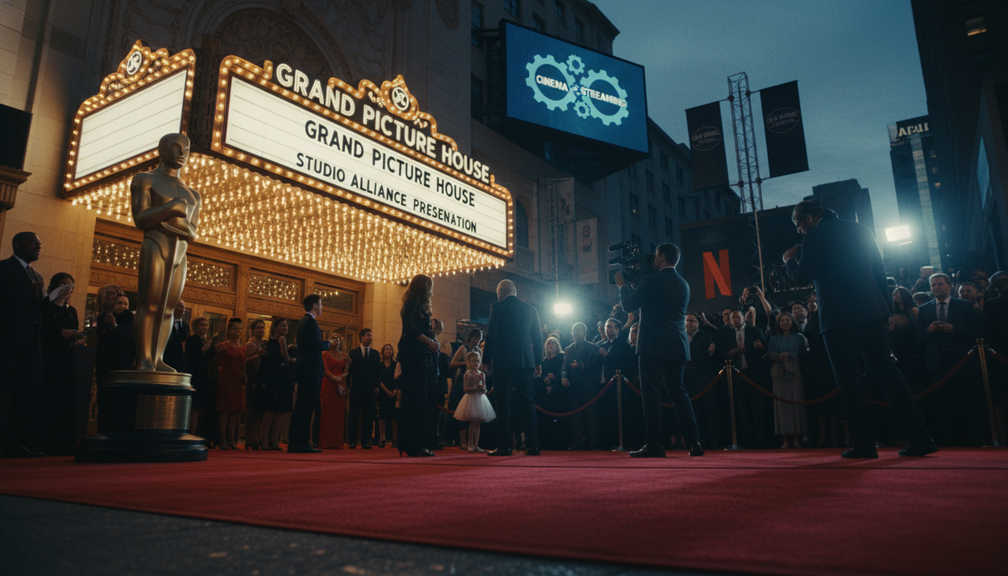
Netflix’s recent announcement of a 45-day theatrical window has ignited a heated debate within the entertainment industry, prompting discussions on the future of film distribution and the balance of power between streaming platforms and traditional studios. This move by Netflix has raised concerns about the company’s growing influence and its potential impact on iconic studios like Paramount, as well as antitrust issues that could come into play. The clash between Netflix and Paramount at the Senate Judiciary Antitrust Subcommittee has only added fuel to the fire, highlighting the complex dynamics at play in the industry.
The decision by Netflix to commit to a 45-day theatrical window has sparked questions about the traditional norms of film distribution and exhibition. As streaming services continue to disrupt the industry, many are wondering how this move will impact the way movies are released and consumed in the future. With Netflix’s ever-expanding library of original content and its aggressive push into the film industry, the implications of this decision could be far-reaching.
One of the key concerns raised by this development is the potential threat to theaters and the cinematic experience. As streaming services like Netflix gain more control over the distribution of films, there is a fear that traditional theaters could suffer as a result. The shift towards shorter theatrical windows could have a significant impact on box office revenues and the overall moviegoing experience for audiences.
Christopher Nolan, a prominent filmmaker known for his blockbuster movies, has expressed skepticism about Netflix’s 45-day theatrical window promise. While he acknowledges the importance of adapting to changing consumer behaviors, Nolan has emphasized the value of the theatrical experience and the need to preserve it in the face of evolving distribution models. His concerns reflect the broader anxieties within the industry about the potential consequences of this shift.
The clash between Netflix and Paramount at the Senate Judiciary Antitrust Subcommittee has underscored the power struggles and tensions within the entertainment landscape. As streaming services continue to disrupt traditional models of distribution, the future of the industry remains uncertain. The implications of this conflict extend beyond individual companies to the broader ecosystem of film production, distribution, and exhibition.
Overall, Netflix’s commitment to a 45-day theatrical window has sparked important discussions about the future of film distribution and the evolving dynamics of the entertainment industry. As fans and audiences navigate these changes, it is essential to consider the implications of these decisions on the cinematic experience and the broader cultural landscape. The clash between Netflix and Paramount serves as a reminder of the complex challenges facing the industry and the need for thoughtful dialogue and collaboration moving forward.